
Mastering Easy Drum Circle Rhythms: A Guide for Beginners
Discover the foundation of rhythm with our guide to easy drum circle patterns that will help you find your groove and connect with the community.
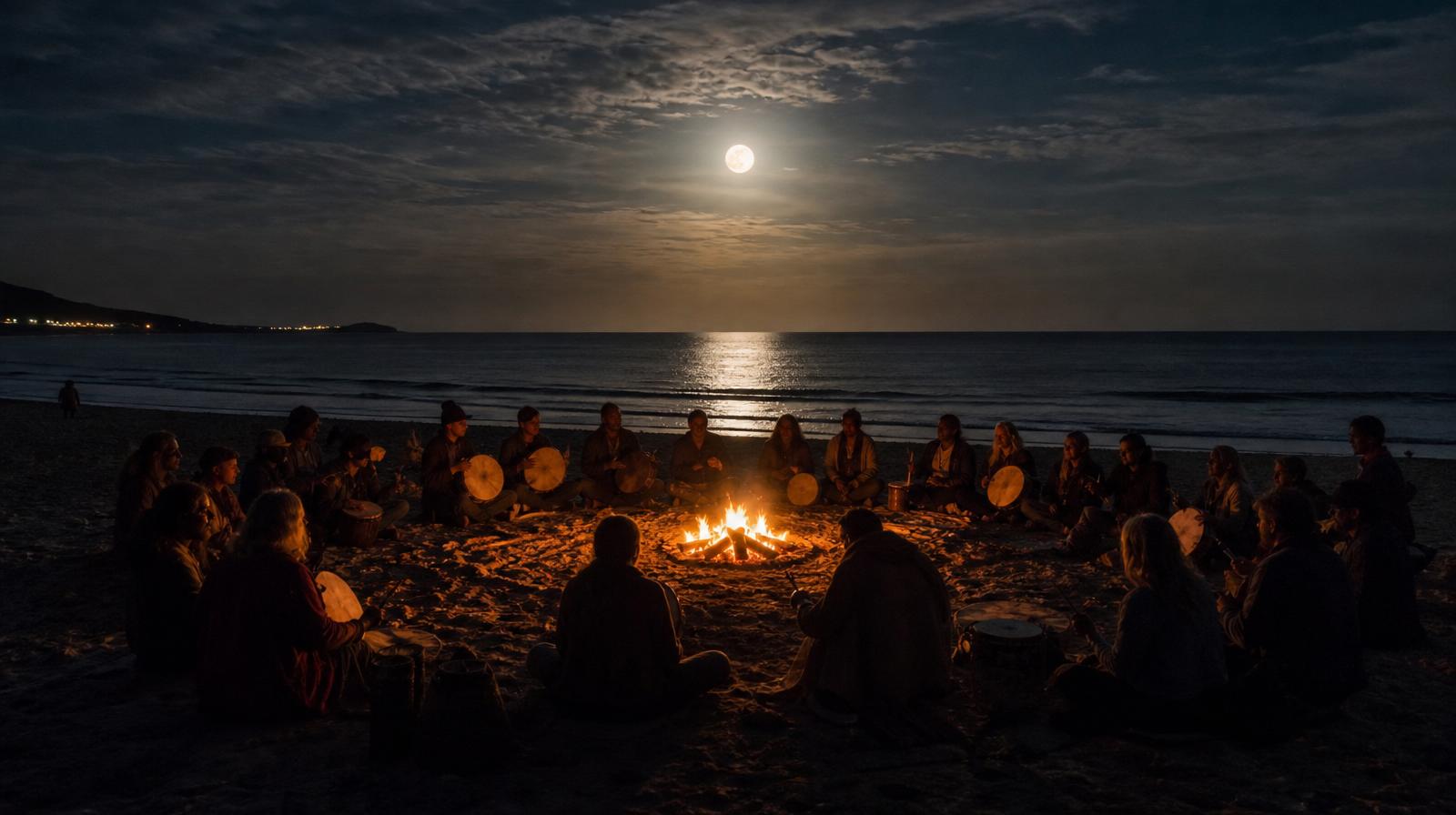
Walking into your first drum circle can be an exhilarating yet slightly intimidating experience. You see the djembe players hitting rapid-fire notes, the dunun players holding down a heavy bass line, and the dancers moving in sync with the pulse. It is easy to feel like you need years of training to join in, but the beauty of a drum circle is its inclusivity.
At its heart, community drumming is about the collective groove, not individual virtuosity. By learning a few easy drum circle rhythms, you can transition from an observer to an active participant, contributing your unique voice to the rhythmic conversation. Whether you are holding a frame drum, a doumbek, or a pair of shakers, these patterns will give you the confidence to play all night long.
The Foundation: Understanding the Pulse
Before diving into specific patterns, it is vital to understand the concept of 'the pulse.' In most drum circles, there is an underlying heartbeat—usually provided by a bass drum or a low-tuned djembe—that keeps everyone together. This is the 'One.'
When you are just starting out, your primary job is to find that One. If you get lost in a complex rhythm, stop, listen, and wait for that deep bass note to return. Simply playing on the downbeat is a perfectly valid way to contribute. Once you feel the pulse in your body, you can begin layering these easy drum circle rhythms on top.
1. The Heartbeat Rhythm (The 1-2-3-4)
This is perhaps the most fundamental rhythm in any circle. It mimics the human heart and provides a grounding energy for the group. It works beautifully on larger drums like congas or djembes.
- The Pattern: Boom—Boom—Boom—Boom
- How to play it: Use a 'bass' stroke (palm in the center of the drum) on every beat.
- Why it works: It stabilizes the tempo when things start to get too fast or chaotic. If the circle feels like it is rushing, returning to a steady heartbeat can help ground the group.
2. The 'Take a Walk' Rhythm
This pattern introduces the concept of alternating hands, which is a core skill for any percussionist. It creates a walking sensation that keeps the energy moving forward without being overwhelming.
- The Pattern: Right, Left, Right, Left (or Tone, Tone, Tone, Tone)
- The Mnemonic: "Take-a-walk, take-a-walk."
- How to play it: Use 'tone' strokes (fingers together on the edge of the drum). This produces a clear, melodic sound that cuts through the bass.
If you find yourself struggling with hand coordination, consider booking a few sessions with drum teachers who can help you refine your technique and posture.
3. The 'Pass the Butter' Pattern
This is a classic four-beat rhythm used in facilitated circles around the world. It introduces a slight syncopation that makes the music feel more 'danceable.'
- The Pattern: Boom, Tone-Tone, Boom, Tone
- The Mnemonic: "Pass the but-ter, pass the bread."
- Technique: Use your dominant hand for the 'Boom' (bass) and alternate your hands for the 'Tone-Tone' (edge) section.
4. The 'Rock the Boat' Rhythm
This rhythm is perfect for those playing frame drums or smaller handheld percussion. It has a swaying, cyclical feel that complements faster djembe patterns.
- The Pattern: 1 - 2 - 3 & 4
- The Mnemonic: "Rock the boat, and-sail-away."
- Variation: Try playing the '1' as a bass note and the '3 & 4' as light slaps or tones. This creates a high-low contrast that adds texture to the circle.
Essential Drum Circle Etiquette
Learning easy drum circle rhythms is only half the battle; understanding how to interact with the group is just as important. A drum circle is a community, and like any community, it has unwritten rules of respect.
- Listen more than you play: If you can't hear the person next to you, you are likely playing too loud.
- Support the groove: Don't try to lead the rhythm unless you are the designated facilitator. Your goal is to weave your sound into the existing fabric.
- Ask before playing someone else's drum: Many drummers have a deep spiritual connection to their instruments. Always ask permission before trying out a new djembe or conga.
- Leave space: Silence is a part of music. You don't have to play every single second. Sometimes, stopping for a few bars allows you to hear the complexity of the circle and re-enter with fresh energy.
To see these rules in action, check out local events in your area to observe how experienced players interact.
Choosing the Right Instrument for Your Rhythm
Different rhythms shine on different instruments. If you prefer deep, resonant tones, a djembe or a dunun is your best bet. If you like intricate, sharp sounds, a doumbek or a set of bongos might be better.
For those who aren't ready to commit to a large drum, shakers, cowbells, and woodblocks are essential 'flavor' instruments. They allow you to practice these easy drum circle rhythms without the physical intensity of hand drumming. If you are looking to dive deeper into a specific style, many drum schools offer introductory classes on West African, Afro-Cuban, or Middle Eastern percussion.
Finding Your Tribe
Mastering these rhythms is most rewarding when shared with others. Drumming has been shown to reduce stress, boost the immune system, and create a profound sense of belonging. Whether it is a full-moon beach gathering or a structured indoor circle, the experience of 'the zone'—where the individual disappears and only the rhythm remains—is life-changing.
If you want to immerse yourself fully, consider looking into drumming retreats. These multi-day experiences allow you to practice your rhythms in a beautiful setting while learning from master drummers.
Ready to start your journey?
Find a drum circle near you and start playing today!
Frequently asked
- What is the easiest drum to play in a circle?
- The djembe is widely considered the most accessible drum for beginners because it offers three distinct sounds (bass, tone, and slap) that are easy to learn. Alternatively, a simple shaker or tambourine allows you to participate in the rhythm without needing any technical drumming knowledge.
- How do I stay on beat during a drum circle?
- The best way to stay on beat is to listen to the 'pulse' or the bass drum (dunun). Tap your foot or sway your body to the 1-2-3-4 count; if you get lost, stop playing for a moment, find the heartbeat, and rejoin when you feel the rhythm in your body again.
- Do I need to own a drum to join a drum circle?
- Not necessarily. Many community drum circles provide extra 'loaner' instruments for newcomers. However, it is always a good idea to check the event description on the Drum Circle Directory or contact the facilitator beforehand to ensure there are enough instruments to go around.
Find a drum circle near you
Browse hundreds of circles, teachers and rhythm community gatherings.
Explore drum circles