
Ecstatic Dance Drum Circle: A Guide to Rhythm and Movement
Discover how the primal power of the drum merges with freeform movement in an ecstatic dance drum circle to create a transformative community experience.
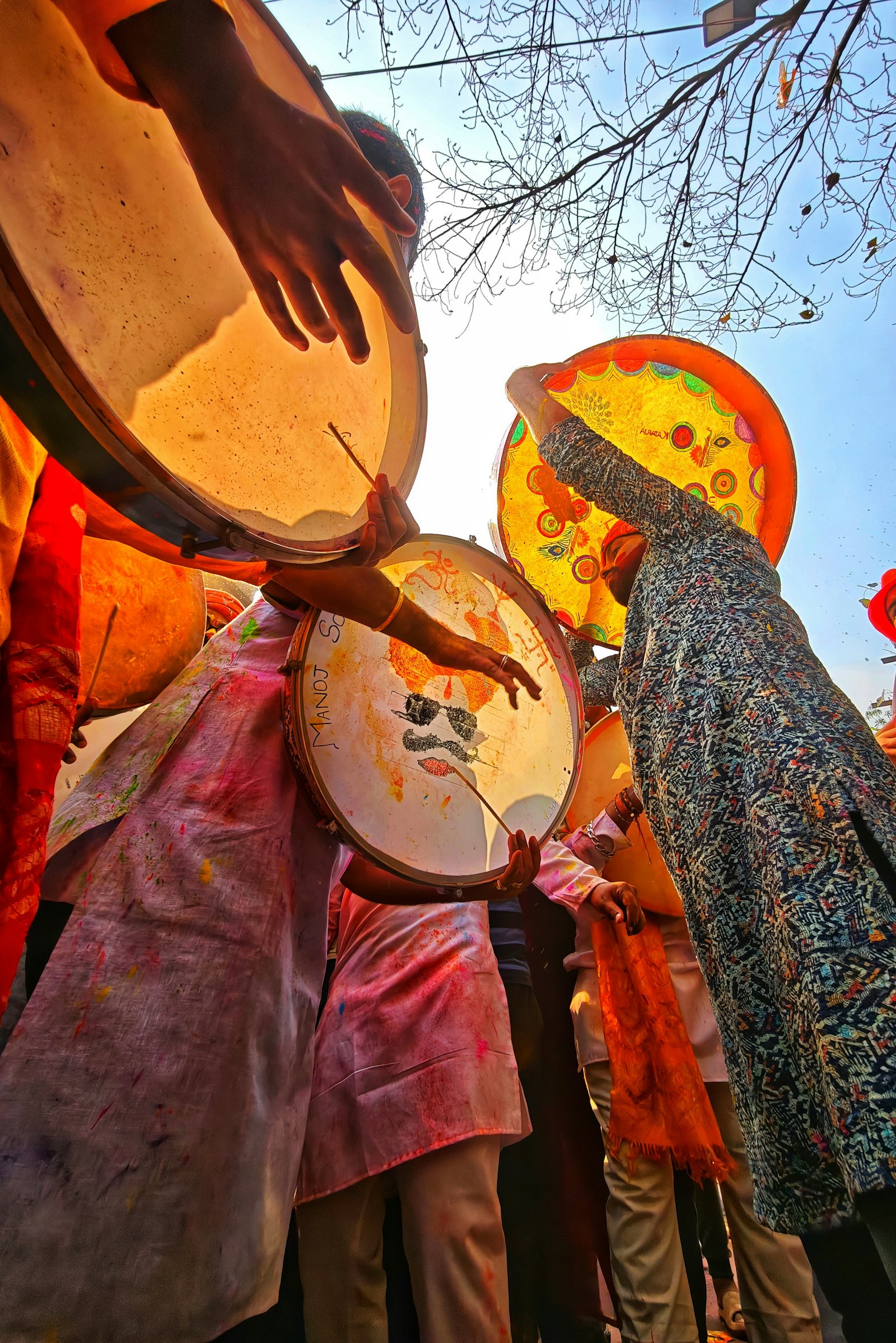
There is a profound, ancient synergy that occurs when the steady pulse of a djembe meets the fluid motion of a human body. In the modern world, this intersection has found a vibrant home in the ecstatic dance drum circle. Unlike a traditional performance where the audience sits still, these gatherings are immersive, participatory, and deeply restorative.
Whether you are a seasoned percussionist or someone who has never touched a drum, understanding the dynamics of these events can open doors to a unique form of moving meditation. Here, we explore the heartbeat of the ecstatic dance scene and how you can find your place in the rhythm.
The Essence of Ecstatic Dance and Rhythm
At its core, ecstatic dance is a form of freeform movement where participants follow the music to reach a state of flow or "ecstasy." When you add a live drum circle into the mix, the energy shifts from digital to primal. The acoustic vibrations of wood and skin resonate through the floor and into the dancers' feet, creating a feedback loop between the musician and the mover.
In these circles, the music isn't just background noise; it is the catalyst. As the drummers build a crescendo using djembe techniques, the dancers respond with increased intensity. When the rhythm drops into a deep, earthy pulse on the dunun, the room settles into a grounded, swaying motion.
Essential Instruments in the Circle
The sonic landscape of an ecstatic dance drum circle is diverse. While any percussion is welcome, certain instruments are staples because of their ability to drive movement:
- Djembe: The heart of most circles, offering deep bass notes and sharp slaps that signal changes in movement.
- Dunun (Doundoun): These large, cylindrical drums provide the melodic bassline and the "anchor" for the dancers.
- Doumbek and Darbuka: These Middle Eastern drums add intricate, rapid-fire textures that encourage intricate hand and torso movements.
- Frame Drums: Often used for more contemplative, shamanic-style segments of the dance.
- Shakers and Bells: Essential for maintaining the high-frequency "shimmer" that keeps the energy light and moving.
The Flow of the Gathering
A typical ecstatic dance drum circle follows a predictable energetic arc, often referred to as a "wave." This structure helps participants journey through different emotional and physical states.
- The Opening: Usually starts with slow, atmospheric sounds—perhaps a soft frame drum or gentle chimes. Dancers begin to stretch and arrive in their bodies.
- The Build: The tempo picks up. This is where call-and-response patterns between the lead drummer and the group begin to emerge.
- The Peak: High-energy, fast-paced polyrhythms. This is the "ecstatic" phase where the boundary between the drummer and the dancer disappears.
- The Integration: The rhythm slows down, becoming melodic and spacious. This allows the heart rate to drop and the mind to settle.
- The Closing: A moment of silence or a soft communal chant to ground the energy before departing.
Etiquette for Drummers and Dancers
To keep the space sacred and inclusive, certain unwritten rules apply. In an ecstatic dance drum circle, the focus is on the collective rather than individual virtuosity.
For Drummers: Listen more than you play. Your role is to serve the dancers. Avoid "solo-speak" that disrupts the steady groove. Watch the room—if the dancers are slowing down, don't force a high-speed tempo. If you are looking to refine your ability to hold a groove, consider connecting with local drum schools to learn traditional rhythms that support movement.
For Dancers: Respect the "no-talking" rule on the dance floor. Use your body to communicate. If you feel inspired to join the rhythm, check if there are community instruments available, but always prioritize the flow of the dance.
Health and Wellness Benefits
Why are these circles growing in popularity? The benefits extend far beyond just having fun. Science has shown that group drumming can reduce cortisol levels and boost the immune system. When combined with the cardiovascular benefits of dance, it becomes a powerhouse for holistic health.
Many people find that the non-verbal nature of the ecstatic dance drum circle provides a release for trapped emotions. In a world of constant digital communication, spending two hours in a purely rhythmic, physical space is a radical act of self-care. Many participants find these sessions so transformative they seek out drumming retreats to deepen their practice in nature.
Finding Your Community
You don't need to be a professional to participate. Most ecstatic dance circles are "family-friendly" and welcome beginners. The best way to start is to show up with an open heart and a willingness to move.
If you are nervous about your rhythm, remember that the "circle" is a container designed to hold everyone. The collective beat of twenty drums is very forgiving to a beginner’s occasional missed stroke. To find a gathering in your area, you can browse the global map of drum circles and filter by those that mention dance or movement.
Conclusion: Step Into the Beat
The ecstatic dance drum circle is a bridge between the ancient past and the modern search for connection. It reminds us that we are rhythmic beings, designed to move in harmony with one another. Whether you are holding the drum or hitting the dance floor, you are contributing to a living, breathing piece of art.
Find a drum circle near you and experience the power of the pulse firsthand.
Frequently asked
- Do I need to bring my own drum to an ecstatic dance?
- It depends on the event. Many organizers provide a 'community basket' of shakers and small drums, but if you want to play a djembe or conga, it is usually best to bring your own. Always check the event description on the Drum Circle Directory first.
- Is there a specific way I am supposed to dance?
- No. The 'ecstatic' in ecstatic dance means there are no choreographed steps. You are encouraged to move however the rhythm moves you, whether that is vigorous jumping, slow swaying, or even sitting still and feeling the vibration.
- Are these events drug and alcohol-free?
- Yes, almost all ecstatic dance drum circles are 'conscious' spaces, meaning they are strictly sober environments. This ensures that the 'high' comes naturally from the music, movement, and community connection.
Find a drum circle near you
Browse hundreds of circles, teachers and rhythm community gatherings.
Explore drum circles