
Ecstatic Dance and Drum Circles: A Guide to Rhythm and
Discover how the primal pulse of the drum circle fuels the expressive freedom of ecstatic dance in this deep dive into rhythmic movement.
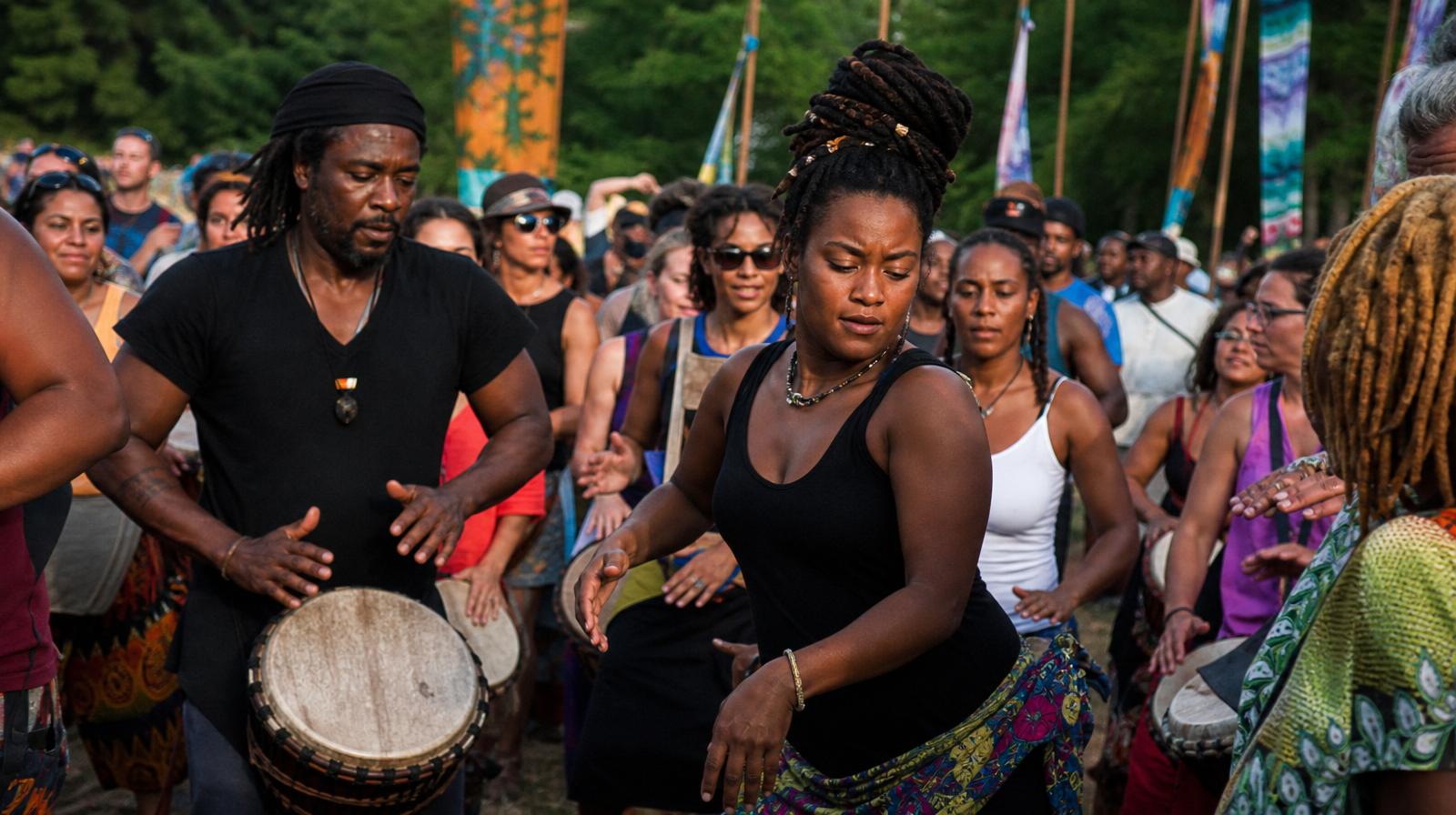
There is a profound, ancient synergy that occurs when the resonant skin of a djembe meets the bare feet of a dancer. In recent years, the intersection of the ecstatic dance and drum circle communities has flourished, creating a space where rhythm is not just heard, but physically embodied. This synergy goes beyond mere entertainment; it is a return to a primal form of human connection and self-expression.
Whether you are a seasoned percussionist or someone who has never touched a drum, understanding the relationship between these two practices can deepen your experience at the next full-moon gathering or community jam.
The Pulse of the Dance: What is Ecstatic Dance?
Ecstatic dance is a form of free-form movement where participants follow the music without a set choreography. The goal is to reach a state of "ecstasy"—a feeling of being outside oneself, connected to the collective and the divine. Unlike a nightclub environment, these spaces are usually alcohol-free, drug-free, and conversation-free on the dance floor.
When a live drum circle provides the soundtrack, the energy shifts. Instead of recorded tracks, the dancers interact with live musicians who can react to the room's energy in real-time. The result is a feedback loop: the dancers' movements inspire the drummers to pick up the tempo, and the drummers' crescendos push the dancers to new heights of expression.
The Heartbeat: The Role of the Drum Circle
A drum circle is a group of people playing hand-percussion instruments in a circle, often led by a facilitator or evolving organically. In the context of ecstatic dance, the drum circle acts as the engine.
Instruments typically found in these settings include:
- Djembe: The versatile West African drum known for its deep bass and sharp slaps.
- Dunun (Doundoun): The bass drums that provide the melodic foundation and steady heartbeat.
- Congas: Adding a warm, mid-range texture to the polyrhythms.
- Frame Drums: Often used for more subtle, trance-like sections of the dance.
- Doumbek: Bringing intricate, high-pitched Middle Eastern rhythms to the mix.
- Shakers and Bells: Essential for maintaining the pulse and adding "sparkle" to the soundscape.
If you are looking to improve your skills to play for dancers, you might consider finding drum teachers who specialize in polyrhythmic accompaniment.
Creating the Feedback Loop: How Musicians and Dancers Interact
In a traditional performance, there is a clear divide between the stage and the audience. In an ecstatic dance and drum circle environment, that line disappears. The musicians are not just playing for the dancers; they are dancing with their hands.
Call-and-Response
One of the most powerful tools in this setting is call-and-response. A lead drummer might play a specific rhythmic pattern—a "call"—and the dancers respond with a specific movement or a collective shout. This builds a sense of community and shared purpose.
Dynamics and Tempo
A skilled drum circle for ecstatic dance understands the importance of the "wave." The music starts slow and earthy, builds to a frantic, high-energy peak, and then gradually settles back down into a meditative stillness. This allows dancers to explore the full spectrum of their emotions and physical capabilities.
Etiquette for the Integrated Circle
To keep the energy positive and inclusive, there are a few unwritten rules—or "circle etiquette"—that help everyone feel safe and inspired.
- Listen More Than You Play: If you are drumming, make sure you can hear the other instruments and the breath of the dancers. If the music becomes a wall of noise, the dance loses its nuance.
- Respect the Space: Dancers need room to move. If you are a drummer, set up your gear in a way that leaves a clear perimeter for movement.
- No Photos or Videos: Most ecstatic dance communities prioritize privacy to allow for total vulnerability. Always check the house rules before reaching for your phone.
- Support the Facilitator: Many circles have a facilitator who guides the energy. Follow their cues for volume changes or rhythmic shifts.
For those new to the scene, reading up on community etiquette can make your first experience much more comfortable.
The Health and Wellness Benefits of Rhythmic Movement
Combining drumming and dancing isn't just fun; it's therapeutic. Research suggests that group drumming can reduce stress, boost the immune system, and create a sense of social belonging. When you add the cardiovascular benefits and emotional release of free-form dance, you have a powerful recipe for holistic health.
Many people attend drumming retreats specifically to disconnect from the digital world and reconnect with their bodies. The repetitive nature of the rhythm helps quiet the "monkey mind," leading to a meditative state that is often hard to achieve in sedentary meditation.
Finding Your Tribe
If you’re feeling the pull of the drum, the best way to start is to dive in. These events range from small, family-friendly backyard circles to massive events at festivals like Burning Man or Spirit Weavers.
If you want to take your playing to the next level to better serve the dance floor, look into drum schools that offer classes in traditional West African or Afro-Cuban rhythms. These traditions have spent centuries perfecting the art of the relationship between the drum and the dance.
Conclusion
The ecstatic dance and drum circle movement is a testament to our human need for rhythm, community, and uninhibited expression. By bringing together the pulse of the percussionist and the fluidity of the mover, we create a temporary sanctuary where the modern world's stresses fade away, replaced by the timeless language of the beat.
Find a drum circle near you and experience the magic of the dance for yourself.
Frequently asked
- Do I need to be a good dancer or drummer to join?
- Not at all. Ecstatic dance and community drum circles are built on inclusivity. The focus is on expression and connection rather than technical perfection. Most circles welcome beginners with open arms.
- What should I bring to an ecstatic dance drum circle?
- Bring a water bottle, comfortable clothes you can move in, and your own drum if you have one. If you don't own an instrument, many circles have 'community' shakers or drums available for loan.
- Are children allowed at these rhythmic events?
- Many community circles are family-friendly, but ecstatic dances can sometimes be adult-oriented due to the meditative nature of the space. It is always best to check the specific event listing on the Drum Circle Directory before heading out.
Find a drum circle near you
Browse hundreds of circles, teachers and rhythm community gatherings.
Explore drum circles