Mastering the Educational Drum Circle: A Guide for Teachers
Discover how an educational drum circle transforms classrooms into rhythmic hubs of social-emotional learning and musical discovery.
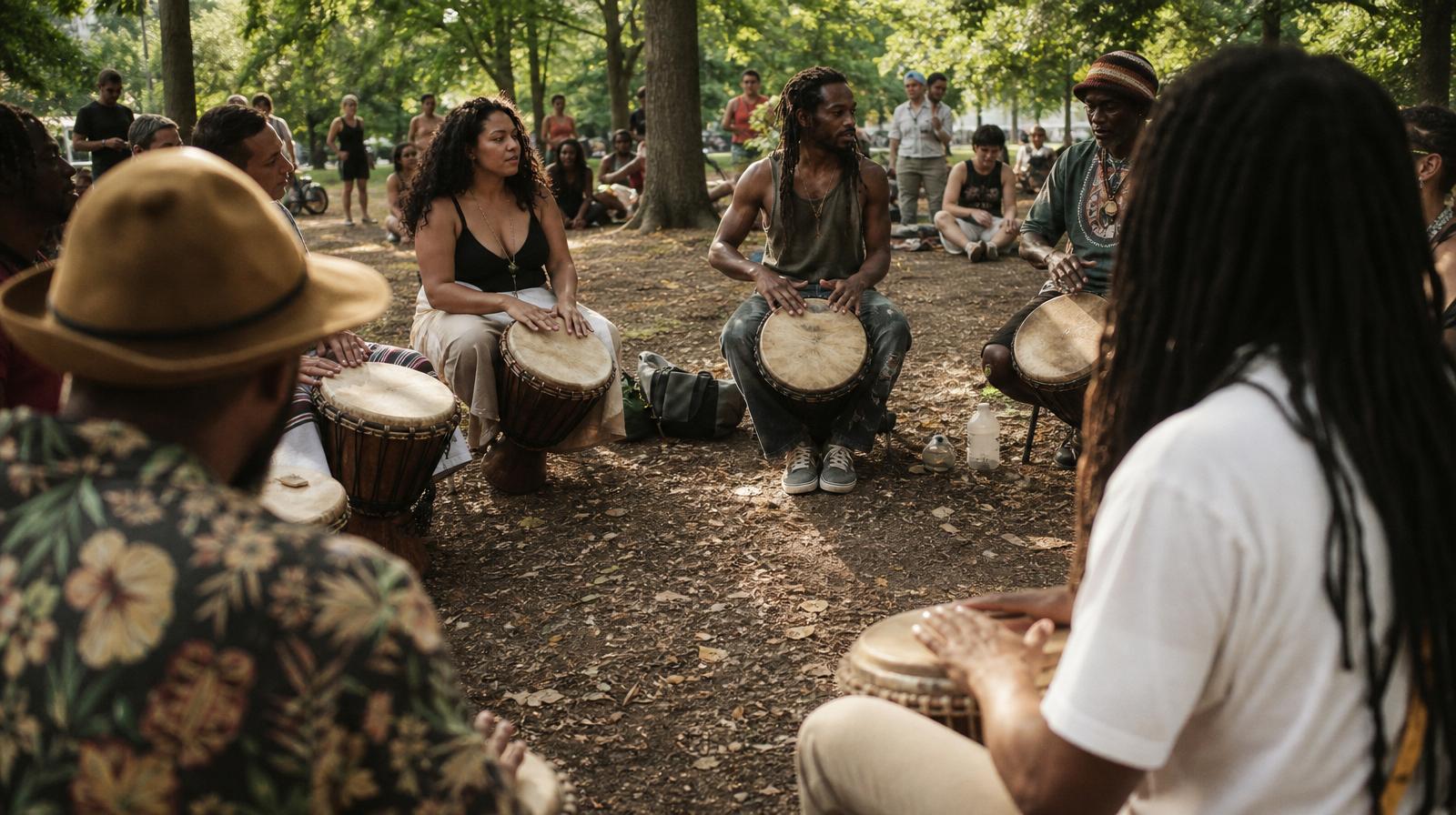
There is a unique magic that happens when a child strikes a djembe for the first time. The immediate physical feedback, the vibration through the hands, and the shared pulse of the group create an environment where learning feels like play. An educational drum circle is far more than just a music lesson; it is a dynamic laboratory for communication, teamwork, and cultural exploration.
Whether you are a classroom teacher, a music therapist, or a community leader, understanding how to facilitate an educational drum circle can revolutionize your approach to group dynamics. Unlike a performance-oriented ensemble, the educational circle focuses on the process, ensuring every participant—regardless of musical background—feels successful.
The Core Philosophy of Rhythm-Based Learning
At its heart, an educational drum circle is inclusive. It moves away from the traditional 'expert-student' hierarchy and toward a collaborative circle where every voice (or beat) matters. This approach fosters a sense of belonging and reduces the anxiety often associated with learning a new instrument.
In this setting, the facilitator acts as a guide rather than a conductor. By using call-and-response patterns and simple rhythmic games, you can teach complex concepts like syncopation, dynamics, and tempo without ever opening a textbook. This experiential learning sticks with students because it is felt in the body, not just processed in the mind.
Essential Instruments for the Classroom
To build a successful educational drum circle, you need a diverse palette of sounds. While you don't need a massive budget, selecting the right instruments is key to managing volume and engagement.
- Djembes: The backbone of the circle. Their distinct bass, tone, and slap sounds make them perfect for teaching different timbres.
- Dunun (Bass Drums): These provide the 'heartbeat' of the rhythm. Using sticks on these larger drums helps ground the group's timing.
- Frame Drums: Lightweight and accessible, frame drums are excellent for younger students or those with limited mobility.
- Auxiliary Percussion: Shakers, bells, and woodblocks allow students to experiment with different textures and provide a 'safety net' for those who may feel intimidated by a large drum.
- Tubanos: These are often preferred in drum schools because they are designed to be played while sitting and have a consistent, warm sound.
Facilitation Techniques That Work
Facilitating an educational drum circle requires a blend of musicality and group management. Your goal is to keep the energy high while maintaining enough structure to prevent the rhythm from descending into chaos.
One of the most effective tools is the 'Stop and Go' signal. By establishing a clear visual cue for silence, you regain control of the room instantly. Once you have their attention, you can introduce a new rhythm through a call-and-response. You play a four-beat pattern on your djembe, and the students mirror it back to you. This builds listening skills and rhythmic accuracy simultaneously.
Another powerful technique is 'Sculpting.' This involves moving around the center of the circle and using hand gestures to bring out specific sections—perhaps asking the shakers to play softly while the djembes provide a loud, driving beat. This helps students understand their role within the larger sonic landscape.
Social-Emotional Benefits of Drumming
Beyond the musical notes, the educational drum circle is a powerhouse for Social-Emotional Learning (SEL). In a world that is increasingly digital, the physical act of drumming together provides a much-needed sense of community.
- Active Listening: Students must listen to their peers to stay in time, fostering empathy and awareness.
- Self-Regulation: Drumming requires physical coordination and the ability to control one's energy levels.
- Confidence Building: Taking a 'solo' in a supportive environment can significantly boost a student's self-esteem.
- Conflict Resolution: Learning to balance one's own volume with the needs of the group is a direct metaphor for social harmony.
Many drum teachers incorporate 'check-in' rhythms where students play a beat that represents how they are feeling that day, making the drum a tool for emotional expression.
Designing Your Lesson Plan
A typical 45-minute educational drum circle might follow this structure:
- The Opening Pulse (5 mins): Start with a simple, steady heartbeat rhythm to ground the group.
- Rhythmic Games (10 mins): Use 'Pass the Beat' or 'Rhythm Names' to break the ice.
- Cultural Context (10 mins): Introduce a specific rhythm, such as the West African Kuku or a Middle Eastern Malfuf, explaining its history and the instruments used, like the doumbek or conga.
- Free Expression (10 mins): Allow for a structured jam where students can experiment with the techniques they just learned.
- The Reflection (5 mins): A quiet 'cool down' rhythm followed by a brief discussion on what the group achieved together.
If you are looking for even deeper immersion, attending drumming retreats can provide facilitators with a wealth of new rhythms and teaching metaphors to bring back to their students.
Creating a Sustainable Rhythm Community
The impact of an educational drum circle shouldn't end when the class bell rings. By connecting your students to the wider world of drumming, you foster a lifelong appreciation for the arts. Encourage students to seek out family-friendly events where they can see professional facilitators in action.
Building a rhythm community in a school or community center creates a shared language. It becomes a 'third space' where students feel safe to take risks and express themselves. As they grow in their skills, they may even begin to facilitate small sections of the circle themselves, developing leadership qualities that extend far beyond the drum.
Find a drum circle near you to see these principles in action and get inspired for your next session.
Frequently asked
- Do I need to be a professional drummer to lead an educational drum circle?
- No, you do not need to be a virtuoso. Basic rhythmic competency and strong facilitation skills are more important than technical speed. Focus on keeping a steady beat and creating a supportive environment where students feel safe to explore.
- What is the best age to start an educational drum circle?
- Drumming is accessible for all ages, from toddlers to seniors. For children as young as three, focus on simple animal-themed rhythms and shakers. As students get older, you can introduce more complex polyrhythms and the cultural history of instruments like the djembe and dunun.
- How do I handle a student who is playing too loudly or disruptively?
- Use the 'volume dial' facilitation technique. Use your hands to signal the whole group to get quieter, or approach the student and mirror their energy before gradually bringing your own volume down. Often, disruptive playing is just a sign of high engagement that needs a positive channel.
Find a drum circle near you
Browse hundreds of circles, teachers and rhythm community gatherings.
Explore drum circles