
Family Friendly Drum Circle Guide: Rhythm for All Ages
Discover how family friendly drum circles create a space for parents and children to bond through rhythm, play, and community expression.
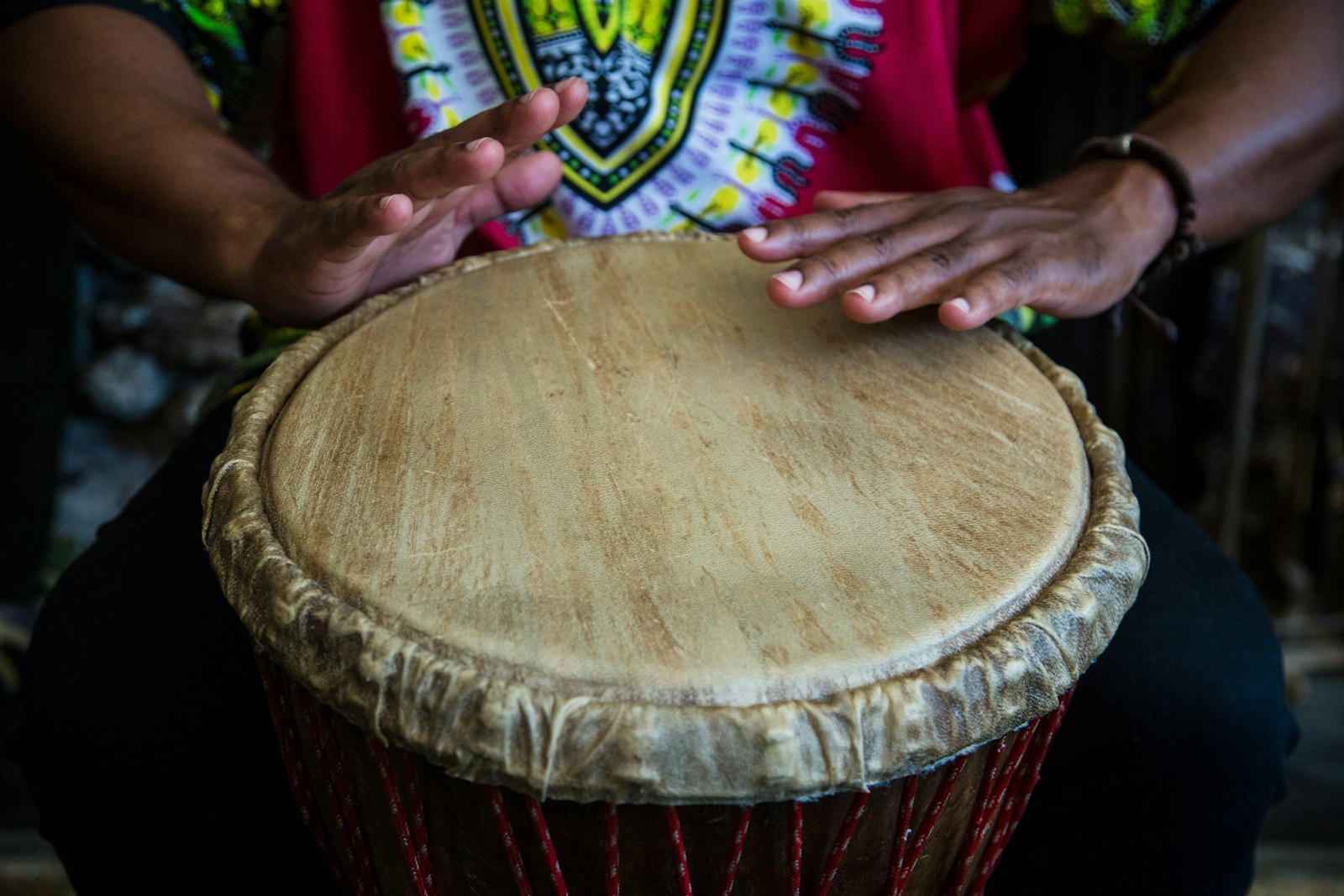
There is something inherently magical about the sound of a drum. It is the first rhythm we ever hear—the steady thrum of a heartbeat. When we bring that rhythm into a social setting, specifically a family friendly drum circle, we create a unique environment where the barriers of age, language, and skill level simply melt away.
In a world dominated by screens, a drum circle offers a tactile, analog experience that connects generations. Whether you are a parent looking for a creative outlet for your toddler or a grandparent wanting to share a song with your grandchild, the circle is an open invitation to play.
What Makes a Drum Circle Family Friendly?
Not every drum circle is designed with children in mind. Some are dedicated to advanced technical practice, while others may be part of late-night festivals with a more adult atmosphere. A truly family friendly drum circle is defined by its inclusivity, safety, and encouragement of exploration.
In these spaces, the focus shifts from musical perfection to social connection. Facilitators often use games, call-and-response patterns, and dynamic shifts (like getting very quiet or very loud) to keep younger participants engaged. The environment is typically alcohol-free and held during daylight hours in accessible locations like community centers, parks, or local drum schools.
The Best Instruments for Little Hands and Big Hearts
When attending a family circle, you’ll see a vibrant array of percussion instruments. You don't need to be a pro to play them; you just need a sense of curiosity.
- Djembes: These goblet-shaped drums from West Africa are the stars of most circles. They are easy to play with hands and come in various sizes, making them perfect for children.
- Frame Drums: Lightweight and held in one hand, these are excellent for those who want a softer, more melodic tone.
- Egg Shakers and Maracas: Ideal for the youngest members of the family who may not be ready to sit behind a large drum yet.
- Boomwhackers: These tuned percussion tubes are a hit with kids, adding a melodic element to the rhythmic thrum.
- Dunun: These large, cylindrical drums played with sticks provide the deep, grounding heartbeat of the circle.
If you don't own an instrument yet, don't worry. Many facilitators provide a "community basket" of percussion tools for newcomers to use.
Why Drumming is Great for Child Development
Participating in a drum circle is more than just making noise; it’s a full-brain workout. For children, the benefits are profound. Rhythmic play helps develop motor skills, hand-eye coordination, and bilateral integration (using both sides of the brain simultaneously).
Socially, children learn the art of listening. In a circle, you aren't just playing at people; you are playing with them. This teaches patience, empathy, and the importance of contributing to a collective goal. Many drum teachers emphasize that rhythm is a foundational language that builds confidence in shy children and provides a healthy outlet for high-energy kids.
Etiquette for Families: How to Join the Groove
While family circles are relaxed, following a few basic "rules of the road" ensures everyone has a great time:
- Ask Before You Play: If someone has brought their own beautiful, professional-grade conga or doumbek, always ask before letting your child try it out.
- Listen to the Facilitator: The facilitator is there to guide the energy. If they signal for a "rumble" or a "stop," try to follow along.
- Support the Pulse: It’s tempting to play as fast as possible, but the magic happens when everyone locks into the same steady beat.
- Remove Jewelry: Rings and bracelets can damage the skin of a drum (and your hands!). It’s best to take them off before you start.
Finding Your Local Rhythm Community
Finding a place to play is easier than you might think. Many cities host monthly full-moon circles or weekend gatherings in public squares. These events are often listed in community centers or through local arts councils.
If you are looking for a structured environment, many events are specifically marketed as "Family Rhythm Jam" or "Kids Drumming Circle." These are often led by professional facilitators who specialize in keeping the energy positive and the rhythms accessible for beginners.
Creating Your Own Mini-Circle at Home
Can’t find a circle this weekend? You can start one in your living room. You don't even need traditional drums. Overturned plastic buckets, wooden spoons, and pots can serve as an excellent starting point. The goal is to establish a "pulse"—a steady beat that everyone can follow. Once you have the pulse, encourage family members to take turns "soloing" or leading a call-and-response pattern.
This home practice is a wonderful way to prepare for a larger community event. It builds the "rhythmic muscle" and helps children get used to the volume and vibration of percussion.
Conclusion: Join the Circle
A family friendly drum circle is a place where every voice—and every beat—matters. It is a rare space where a five-year-old and an eighty-year-old can communicate perfectly without saying a single word. By joining a circle, you aren't just taking up a hobby; you are joining a global community of rhythm makers.
Find a drum circle near you and start your family's rhythmic journey today.
Frequently asked
- What age is appropriate for a child to start drumming?
- Children of any age can participate! Toddlers as young as 18 months enjoy egg shakers and small hand drums, while older children can begin learning basic technique on a djembe or conga. Most family circles are open to all ages from infants to seniors.
- Do I need to bring my own drum to a circle?
- Not necessarily. Many community drum circles and facilitated events provide extra instruments for attendees to borrow. However, it is always a good idea to check the event description beforehand or bring a small percussion instrument just in case.
- Is drumming too loud for sensitive ears?
- Drum circles can get loud, especially indoors. If you or your child are sensitive to noise, consider bringing high-quality earplugs or "ear defenders" for kids. Many families find that sitting slightly outside the main ring of drums helps manage the volume while still staying involved.
Find a drum circle near you
Browse hundreds of circles, teachers and rhythm community gatherings.
Explore drum circles