
Mastering the Festival Drum Circle: A Guide to Rhythm and
Discover the magic of the festival drum circle, from essential etiquette to the best instruments for outdoor jamming and community connection.
There is a specific kind of magic that occurs when the sun dips below the horizon at a music festival and the acoustic pulse of the festival drum circle begins to rise. It starts as a low thrum—a single djembe or a pair of dununs—and swells into a collective heartbeat that can be heard across the campgrounds. For many, this is the soul of the festival experience.
Whether you are a seasoned percussionist or someone who just bought their first frame drum, participating in a large-scale rhythm gathering is a transformative experience. It is a space where social barriers dissolve, and the only language spoken is the groove. In this guide, we will explore how to navigate these high-energy environments, what gear to bring, and how to contribute to the collective sound.
The Anatomy of a Festival Drum Circle
Unlike a structured facilitated circle you might find at a wellness center, a festival drum circle is often organic and improvisational. These gatherings typically take place around a central fire or a designated community hub. They can range from small, intimate fireside jams to massive rhythmic explosions involving hundreds of participants.
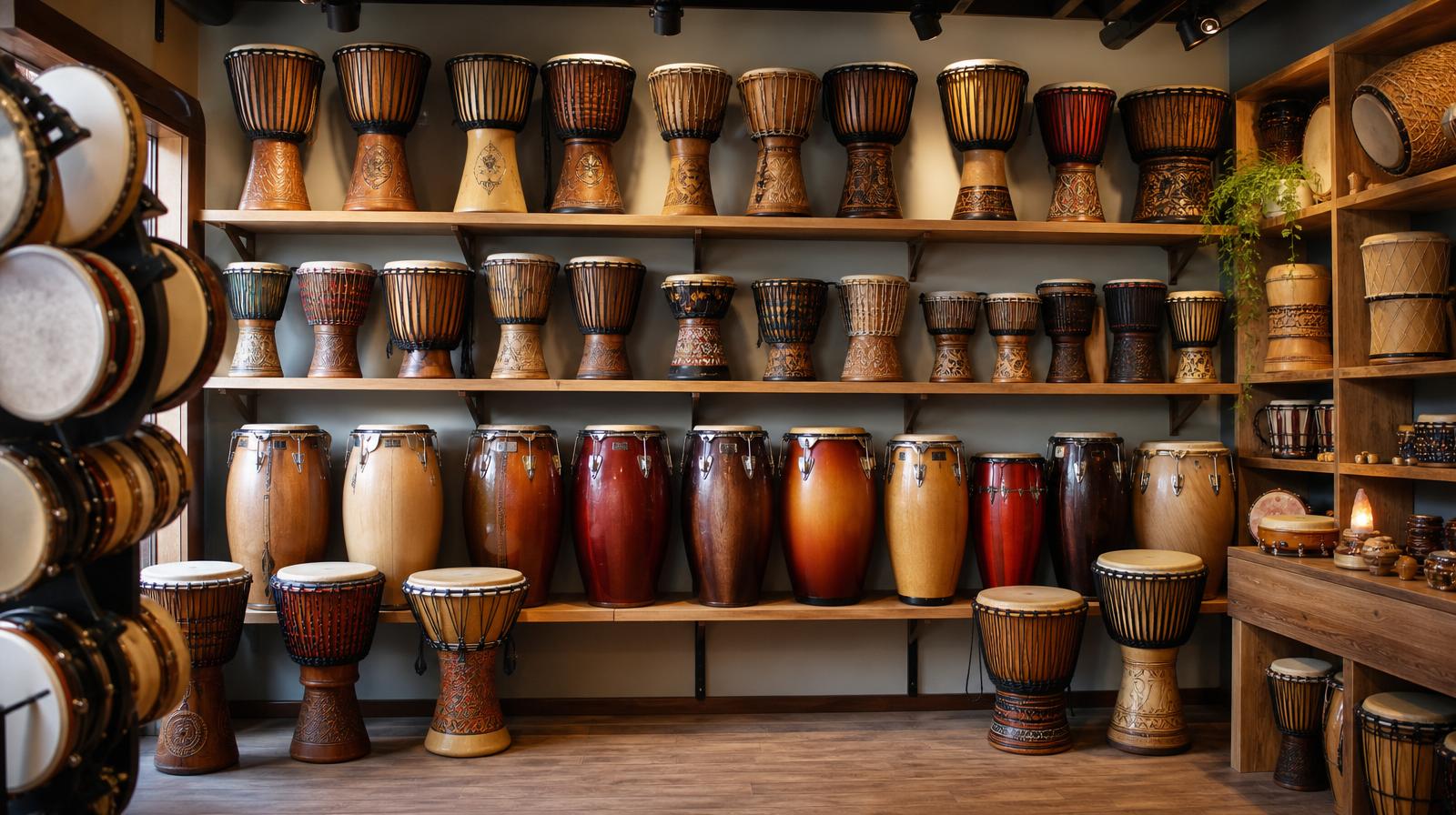
In these settings, you will see a diverse array of instruments. The djembe is the king of the festival circuit due to its volume and versatility, but you will also find doumbeks, congas, bongos, and even repurposed buckets. The beauty of the festival scene is its inclusivity; if you can strike it and make a sound, you are part of the band.
Choosing the Right Instrument for Outdoor Play
When packing for a festival, durability and portability are key. While a beautiful wood-shell djembe with a goat-skin head offers unparalleled warmth, it can be sensitive to humidity and temperature changes common at outdoor events.
- Synthetic Drums: Many festival-goers prefer synthetic shells and heads (like those from Remo or Meinl). They stay in tune regardless of the weather and are much more resistant to the bumps and bruises of campsite life.
- Frame Drums: If you are hiking a long distance from your car to the stage, a lightweight frame drum or a tambourine is a great choice. They take up minimal space but allow you to lock into the high-end frequencies of the rhythm.
- Handpans and Tongue Drums: These melodic percussion instruments have become staples at transformative festivals. They offer a soothing counterpoint to the heavy bass of the larger drums.
- Percussion Toys: Never underestimate the power of a good shaker, cowbell, or pair of claves. These instruments provide the "glue" that holds a chaotic rhythm together.
Essential Festival Drumming Etiquette
To ensure the circle remains a positive experience for everyone, there are a few unwritten rules of the road. Even in the free-spirited atmosphere of a festival drum circle, respect for the groove is paramount.
- Listen More Than You Play: Before entering the circle, stand on the perimeter for a moment. Find the pulse. Don't just jump in with a complex solo; find a pocket that isn't being filled and support the foundation.
- Respect the Lead: Often, a few experienced drummers will be holding down the "heartbeat" on the dununs or a large bass drum. Follow their tempo. If the rhythm starts to speed up uncontrollably (a common issue in large circles), look to the anchors to help bring it back down.
- Ask Before You Play Someone Else's Drum: This is the golden rule. Many drums are expensive, handmade instruments. Always ask permission before sitting down at a drum that isn't yours.
- Share the Space: If you’ve been soloing for ten minutes, it’s time to pull back and let someone else take the lead. A great circle is a conversation, not a monologue.
Finding Your Place in the Groove
If you are a beginner, the sheer volume of a festival circle can be intimidating. The best strategy is to start simple. A basic "low-high-high" pattern on a djembe or a steady pulse on a shaker can be more valuable to the group than a fast, muddy rhythm that is out of time.
If you find yourself getting lost, stop playing for a few seconds, close your eyes, and listen to the bass notes. Once you feel the 1-beat in your body, re-enter softly. Remember, the goal is connection, not perfection. If you're looking to sharpen your skills before your next big event, consider connecting with drum teachers who specialize in West African or Afro-Cuban rhythms.
Healing and Wellness Through Rhythm
There is a reason why drum circles are a staple at wellness-focused festivals and drumming retreats. The act of drumming in a group has been shown to reduce stress, boost the immune system, and create a sense of "entrainment"—where the brainwaves of participants actually begin to sync up.
At a festival, where the environment can sometimes be overstimulating, the drum circle serves as a grounding force. It is a place to vent energy, find meditative focus, and feel the support of a community. Many festivals now include intentional "healing circles" or "trance drumming" sessions specifically designed for this purpose.
Preparing for the Long Haul
Festival circles can last for hours—sometimes until the sun comes up. To make the most of your experience, come prepared:
- Ergonomics: Use a drum strap if you plan on standing, or bring a small, foldable stool. Your back will thank you.
- Hydration: Drumming is a physical workout. Keep a water bottle nearby.
- Ear Protection: Large circles can reach decibel levels that are harmful to your hearing. High-fidelity earplugs are a must-have for any serious festival drummer.
- Community Connection: Use the breaks in the music to meet your neighbors. Many lifelong friendships (and bands!) have started in the dust of a festival circle.
If you are new to the scene and want to practice in a lower-stakes environment before hitting a major festival, look for local drum schools or community centers that host monthly jams.
Conclusion
The festival drum circle is a celebration of the human spirit. It is a reminder that we are all rhythmic beings, capable of creating something beautiful and powerful when we work together. So, grab your djembe, find the fire, and add your voice to the song.
Find a drum circle near you by visiting our global directory at /drum-circles.
Frequently asked
- What is the best drum to bring to a music festival?
- The djembe is the most popular choice because it offers a wide range of sounds (bass, tone, and slap) and is loud enough to be heard in large groups. However, synthetic-head drums are often better for festivals because they stay in tune during temperature and humidity changes.
- Can I join a festival drum circle if I've never played before?
- Absolutely! Most festival circles are inclusive and beginner-friendly. The key is to start with a simple rhythm, listen to the more experienced players, and focus on keeping a steady beat rather than playing something complex.
- Do I need to bring my own chair to a drum circle?
- It is always a good idea to bring a lightweight, portable stool or a drum strap. While some festivals provide seating around a fire pit, many do not, and drumming while standing for long periods can be tiring without a strap.
Find a drum circle near you
Browse hundreds of circles, teachers and rhythm community gatherings.
Explore drum circles