
Find a Drum Circle: The Ultimate Guide to Joining the Rhythm
Discover the transformative power of rhythmic community. This guide helps you find a drum circle, understand etiquette, and choose the right instrument for your journey.
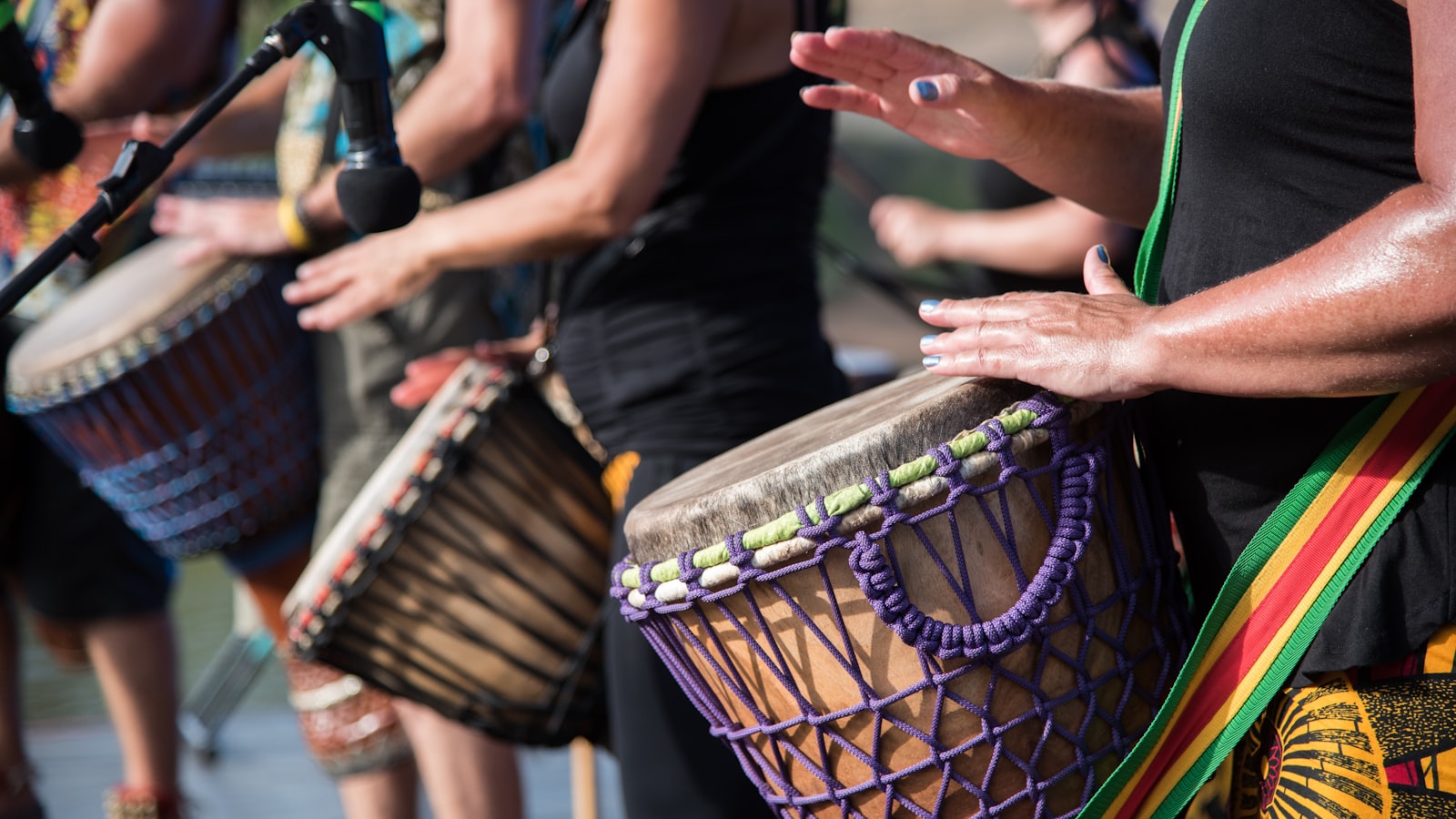
There is a primal pull in the sound of a distant drum. Whether it is the sharp slap of a djembe or the deep, grounding thrum of a dunun, drumming speaks a universal language. If you have ever felt the urge to join in but didn't know where to start, you are not alone. Thousands of people every month search for ways to find a drum circle and step into the vibrant world of community percussion.
Drumming is more than just making noise; it is a way to reduce stress, improve cognitive function, and build social bonds. From beachside full-moon gatherings to structured wellness workshops in city centers, the rhythmic community is diverse and welcoming. In this guide, we will explore everything you need to know to find your beat.
Understanding the Different Types of Drum Circles
Before you head out, it is helpful to know that not all drum circles are created equal. Depending on your goals—whether you want to learn technical skills or simply meditate through rhythm—you might prefer one style over another.
- Community/Organic Circles: These are often informal gatherings in parks or on beaches. There is no specific leader; the rhythm evolves naturally. These are perfect for those who want a free-form experience.
- Facilitated Drum Circles: A trained facilitator guides the group, using signals to start, stop, and change rhythms. This is often the best entry point for beginners because the facilitator ensures the music stays cohesive and inclusive.
- Spiritually-Focused Circles: Often held during full moons or equinoxes, these circles focus on the healing and meditative aspects of drumming.
- Culturally Specific Circles: These may focus on specific traditions, such as West African Manding drumming or Middle Eastern rhythms using the doumbek.
How to Find a Drum Circle Near You
The easiest way to get started is to use a dedicated resource. While social media groups can be helpful, they are often outdated. To find a drum circle that is currently active, you should consult a verified directory that lists facilitators and community leaders.
Local music stores and community centers are also excellent hubs for information. Often, a local shop that sells world percussion will have a bulletin board listing upcoming events or weekly meetups. Don't be afraid to ask the staff; the drumming world is notoriously friendly and eager to grow.
Choosing Your First Instrument
You don’t need an expensive kit to join a circle. In fact, many circles provide extra instruments for newcomers. However, if you want to bring your own, here are the most common choices:
- Djembe: The most popular choice for drum circles. Its goblet shape allows for three distinct tones: bass, tone, and slap. It is versatile and relatively portable.
- Congas: These offer a warm, melodic sound and are staples in Afro-Cuban influenced circles.
- Frame Drums: Lightweight and ancient, these are perfect for meditative drumming and are easy to carry to outdoor gatherings.
- Doumbek: A goblet drum from the Middle East, known for its crisp, metallic sounds and intricate finger techniques.
- Shakers and Percussion: Never underestimate the power of a good shaker, cowbell, or tambourine. They provide the "glue" that holds the rhythm together.
If you find yourself struggling with technique, consider reaching out to drum teachers who specialize in hand percussion to help you get the most out of your new instrument.
Drum Circle Etiquette for Beginners
To ensure everyone has a good time, there are a few unwritten rules—often called "drum circle etiquette"—that you should keep in mind:
- Listen more than you play: When you first arrive, listen to the established beat for a minute before jumping in. Try to find a pocket where your sound complements the group.
- Support the bass: The deep drums (like the dunun or the center of the djembe) provide the heartbeat. If the rhythm feels messy, return to a simple bass beat.
- Respect the space: Always ask permission before playing someone else’s drum. Many drummers view their instruments as sacred or personal items.
- Follow the facilitator: If someone is leading the group, keep an eye on them for "cut-offs" or volume changes.
- Leave gaps: You don't have to play every single beat. Silence and space are just as important as the notes you play.
The Health and Wellness Benefits of Group Drumming
Beyond the fun of making music, there is significant scientific evidence supporting the health benefits of drumming. Research has shown that group drumming can lower cortisol levels and increase the production of cancer-fighting T-cells. It is a form of "active meditation" that forces the brain into the present moment, quieting the "monkey mind" that causes anxiety.
For those looking for a deeper dive, many drumming retreats offer multi-day immersions that combine rhythmic practice with yoga, healthy eating, and nature, providing a total reset for the nervous system.
Taking the Next Step: From Student to Performer
Once you have attended a few circles, you might find a specific style that resonates with you. This is the perfect time to look into drum schools. Formal study can help you understand the history and polyrhythms of the instruments you are playing, which in turn makes you a better contributor to the community circle.
Whether you stay a casual weekend hobbyist or become a dedicated student of the craft, the most important thing is to keep showing up. The rhythm community is built on consistency and the shared joy of the beat.
Find a drum circle near you at Drum Circle Directory.
Frequently asked
- Do I need to know how to play drums to join a circle?
- Absolutely not! Most community drum circles are 'come as you are' and welcome people with zero musical experience. Facilitated circles are especially great for beginners as the leader will guide you through simple rhythms.
- What should I bring to my first drum circle?
- Bring a bottle of water, a comfortable chair (if it's an outdoor park event), and a drum if you have one. If you don't own an instrument, many organizers provide 'loaner' drums or small percussion like shakers for newcomers to use.
- Are drum circles family-friendly?
- The vast majority of community drum circles are very family-friendly and encourage children to participate. However, it is always a good idea to check the event description or contact the facilitator beforehand to ensure the environment is suitable for kids.
Find a drum circle near you
Browse hundreds of circles, teachers and rhythm community gatherings.
Explore drum circles