Find Drum Circles: The Complete Guide to Joining Rhythm
Discover the transformative power of group drumming and learn exactly how to find local circles that welcome your unique rhythm.
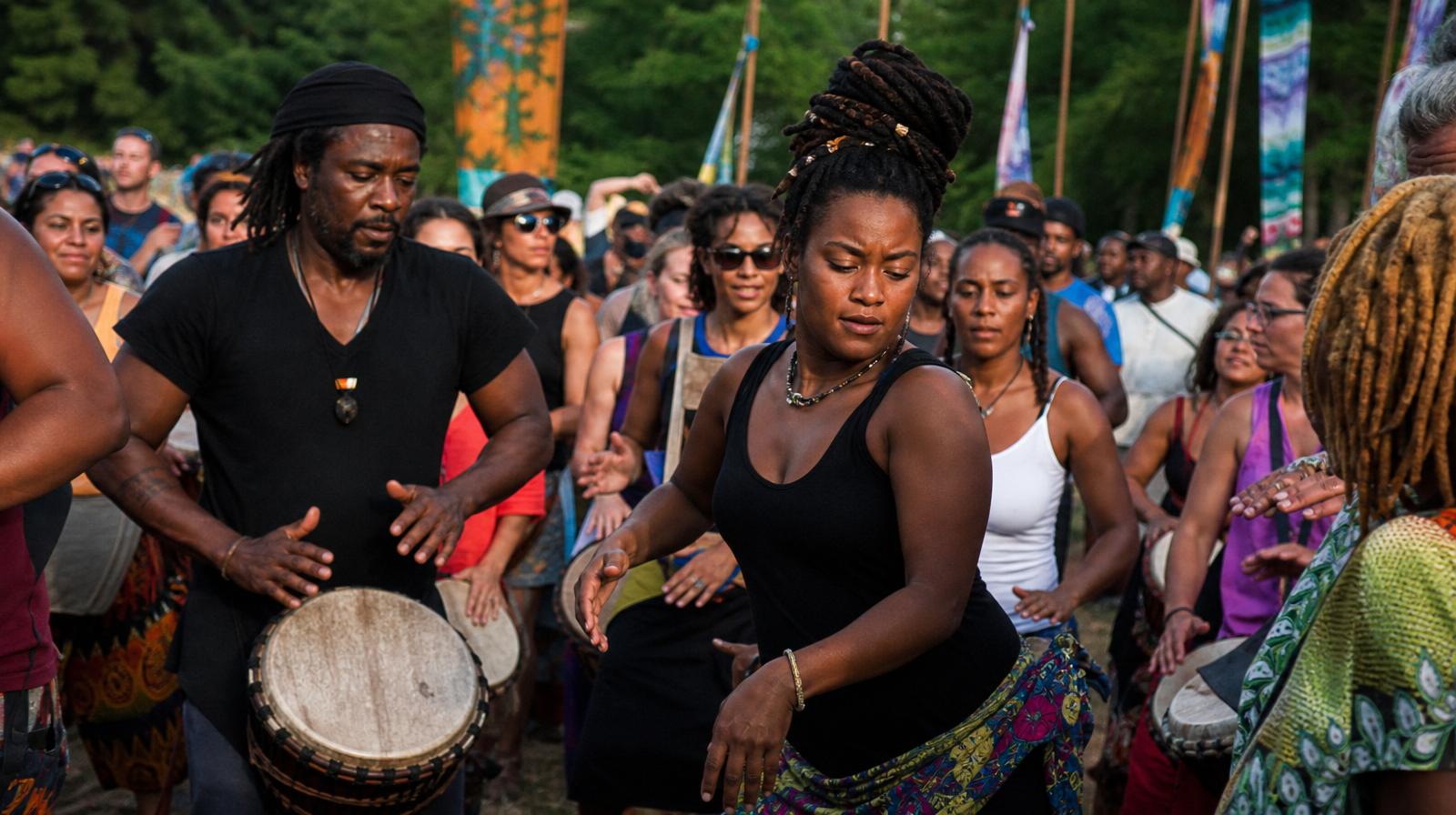
There is a primal magic that happens when a group of people gathers in a circle, instruments in hand, to create a collective heartbeat. Whether it is the resonant bass of a djembe or the sharp slap of a doumbek, drumming connects us to a rhythm that is older than language itself. If you have been searching for a way to reduce stress, express your creativity, or simply connect with like-minded people, learning how to find drum circles in your area is the first step on a life-changing journey.
At the Drum Circle Directory, we believe that rhythm is a birthright. You don't need to be a professional percussionist to join in. In fact, most community circles thrive on the diversity of their members. This guide will walk you through the different types of gatherings, what to expect at your first event, and how to locate the perfect rhythm community near you.
Understanding the Different Types of Drum Circles
Before you head out to your first gathering, it is helpful to understand that not all drum circles are created equal. Depending on your goals, you might prefer one style over another.
Community and Open Drum Circles
These are often held in public parks, at beaches, or during full-moon gatherings. They are typically informal and "organic," meaning there is no designated leader. The rhythm evolves naturally as people join in. These are fantastic for beginners who want a low-pressure environment to explore their instruments.
Facilitated Drum Circles
In a facilitated circle, a trained leader guides the group. The facilitator uses body language and verbal cues to manage the volume, tempo, and transitions. They might lead a call-and-response exercise or help the group find a cohesive groove. If you are nervous about your timing, a facilitated circle is a great place to start because the leader ensures the music stays harmonious.
Culturally Specific Circles
Some circles focus on specific traditions, such as West African djembe and dunun rhythms, Afro-Cuban conga patterns, or Middle Eastern frame drum techniques. These gatherings often prioritize learning specific traditional parts. If you want to dive deep into a specific culture, you might look for drum schools or specialized drum teachers who host these focused sessions.
Essential Gear: Choosing Your First Instrument
While many circles provide extra instruments (often called a "rhythm bucket"), eventually you will want to bring your own. You don't need a full kit; a single hand drum is all it takes to participate.
- Djembe: The most popular choice for drum circles. It offers a wide range of sounds, from deep bass to high-pitched slaps.
- Congas: These provide a warm, melodic tone and are staples in Latin-inspired circles.
- Frame Drums: Lightweight and portable, these are excellent for meditative or spiritual drumming.
- Percussion Toys: Don't underestimate the power of a shaker, cowbell, or tambourine. These "small percussion" items provide the high-frequency pulse that holds a complex rhythm together.
Drum Circle Etiquette for Beginners
Joining a circle for the first time can be intimidating, but following a few simple rules of etiquette will help you feel right at home.
- Listen First: When you arrive, take a moment to listen to the existing pulse. Don't just start banging away. Find the "heartbeat" and slowly weave your sound into the tapestry.
- Support the Bass: The big drums (like dununs or large djembes) provide the foundation. If you are unsure what to play, try to match the bass notes.
- Leave Space: You don't have to play on every beat. Silence is just as important as sound. Leaving space allows the rhythm to breathe and prevents the circle from becoming a wall of noise.
- Ask Before Playing Someone Else's Drum: Most drummers are happy to share, but always ask permission before trying out an instrument that doesn't belong to you.
- Follow the Facilitator: If there is a leader, keep an eye on them for signals to stop, start, or change volume.
The Health and Wellness Benefits of Group Drumming
People don't just find drum circles for the music; they find them for the medicine. Science has shown that group drumming can significantly lower cortisol levels, reduce stress, and boost the immune system. The act of synchronized drumming releases endorphins and promotes a sense of social bonding that is hard to find in our digital world.
Many people use drumming as a form of active meditation. When you are locked into a groove with twenty other people, the "chatter" of the mind tends to go quiet. This is why you will often see drumming incorporated into wellness events and therapeutic retreats.
How to Find Drum Circles in Your Local Area
Locating a local rhythm community is easier than it used to be, thanks to dedicated online resources. Here are the most effective ways to find your tribe:
- Local Music Stores: Independent music shops often have bulletin boards or staff members who know the local scene.
- Parks and Community Centers: Check the schedules for your local municipal parks. Many cities host weekly or monthly family-friendly circles.
- Social Media Groups: Search for "drumming" or "rhythm" combined with your city name on social platforms.
- The Drum Circle Directory: This is the most comprehensive tool available. You can search by location to find facilitators, schools, and recurring drum circles in your region.
Taking the Next Step: Retreats and Advanced Learning
Once you've caught the rhythm bug, you might find yourself wanting to go deeper. Beyond the local weekly circle, there is a whole world of drumming retreats where you can spend a weekend or a week immersed in rhythm. These retreats often feature master drummers from around the world and provide a profound opportunity for personal growth and musical skill-building.
Whether you are looking for a casual sunset jam or a structured educational environment, the world of hand drumming is open to you. Start small, listen closely, and let your heart guide your hands.
Find a drum circle near you at Drum Circle Directory.
Frequently asked
- Do I need to own a drum to join a drum circle?
- Not necessarily! Many facilitated circles and community groups provide extra instruments for newcomers to use. However, it is always a good idea to check the event description or contact the organizer beforehand to see if 'loaner' drums are available.
- Is drumming difficult to learn for someone with no musical background?
- Hand drumming is one of the most accessible forms of music-making. Unlike many instruments that require years of technical study, you can produce a beautiful sound on a djembe or frame drum almost instantly. Most circles focus on community and connection rather than technical perfection.
- What should I wear to a drum circle?
- Comfort is key. Wear loose-fitting clothing that allows you to move your arms freely and sit comfortably for an hour or more. Many drummers prefer to remove rings and bracelets before playing to protect both their hands and the drum heads.
- Are drum circles kid-friendly?
- Most community drum circles are very family-friendly and welcome children of all ages. Drumming is a wonderful way for kids to develop coordination and social skills. If a circle is specifically for adults or meditation, it will usually be noted in the event details.
Find a drum circle near you
Browse hundreds of circles, teachers and rhythm community gatherings.
Explore drum circles