
Fire Circle Drumming: A Guide to Rhythms Under the Stars
Discover the ancient magic of fire circle drumming, from essential etiquette and instruments to the communal power of rhythm by the hearth.
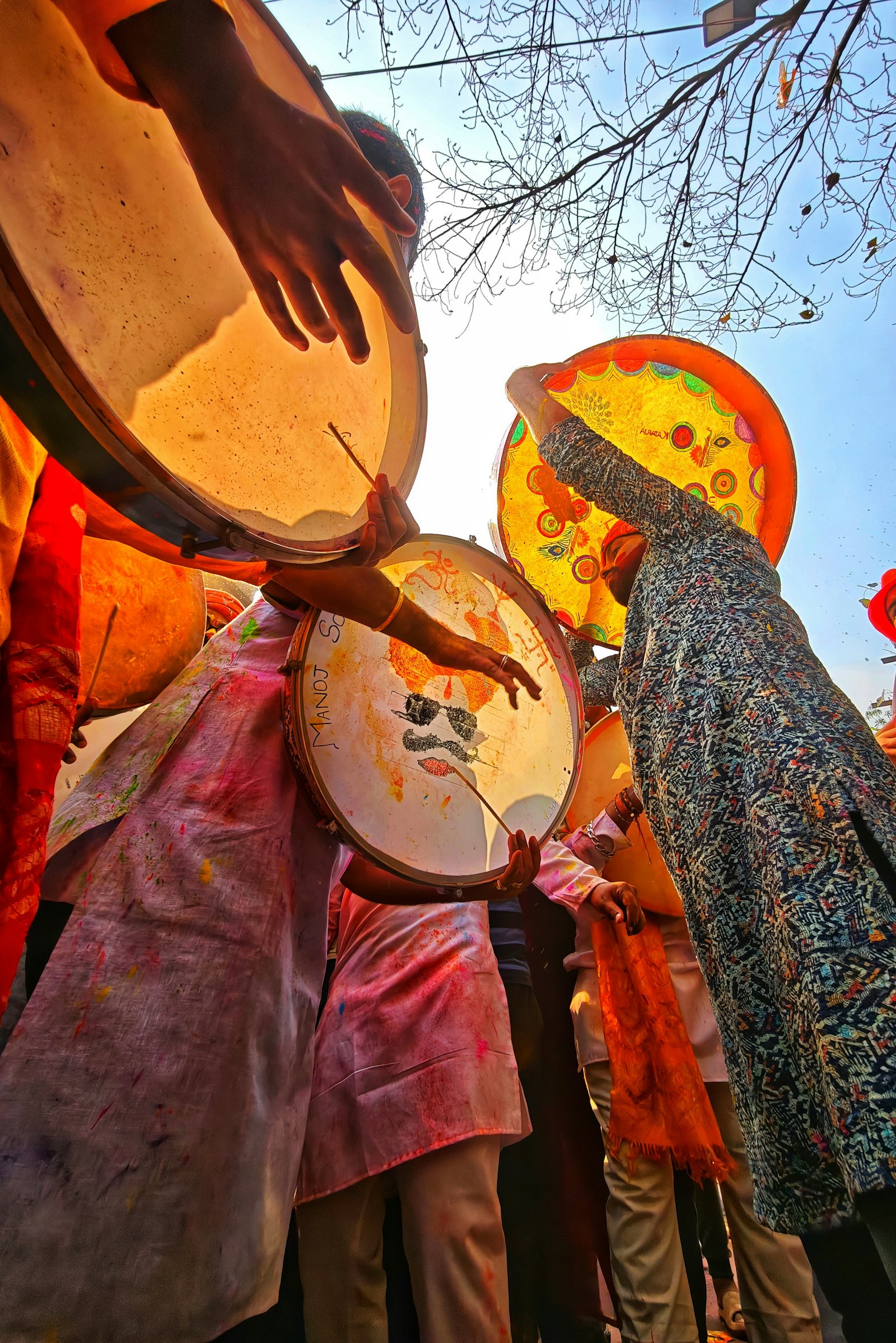
There is something primal and deeply rooted in the human experience about gathering around a blaze. For millennia, fire has been our literal and metaphorical center—a source of warmth, protection, and storytelling. When you add the heartbeat of a drum to that flickering light, you unlock a transformative experience known as fire circle drumming.
Whether it is a full-moon gathering on a beach or a seasonal celebration in a wooded clearing, fire circles represent the intersection of community, spirit, and rhythmic expression. For the uninitiated, stepping into the glow can feel intimidating, but these circles are among the most welcoming spaces in the drumming world.
The Ancient Connection Between Fire and Rhythm
Fire circle drumming is not a modern invention; it is a reclamation of ancestral heritage. In West African traditions, the djembe and dunun often accompany village fires during rites of passage. In Middle Eastern cultures, the doumbek and frame drum have echoed across desert encampments for centuries.
Fire serves as a focal point, drawing participants into a shared focus. The flickering light masks individual insecurities, allowing drummers to lose themselves in the collective sound. This environment fosters a unique type of "group flow" where the boundaries between the player, the instrument, and the community begin to blur.
Essential Instruments for the Fire Circle
Not every drum is suited for the outdoor elements of a fire circle. When choosing your instrument, consider volume, durability, and the "voice" you want to contribute to the mix.
- The Djembe: The undisputed king of the fire circle. Its wide dynamic range—from deep, earthy basses to piercing slaps—allows it to cut through the crackle of the flames.
- Dunun (Dununba, Sangban, Kenkeni): These cylindrical, double-headed drums provide the melodic foundation. Often played with sticks, they offer the steady heartbeat that keeps the circle grounded.
- Ashiko: Sometimes called the "masculine" counterpart to the djembe, the ashiko offers rich mid-tones and a tapered shape that is easy to transport to remote fire sites.
- Frame Drums and Tar: Ideal for more intimate, meditative fire circles where the focus is on subtle overtones rather than high-volume energy.
- Auxiliary Percussion: Never underestimate the power of a shekere, a cowbell, or a simple pair of claves. These instruments provide the "high-end" shimmer that defines a complex polyrhythm.
If you are just starting and don't yet own an instrument, many drum schools offer introductory classes where you can try different drums before committing to a purchase.
Fire Circle Etiquette: Respecting the Hearth
To keep the energy positive and the environment safe, fire circles follow a set of unwritten (and sometimes written) rules. Understanding these ensures you are invited back to the next gathering.
1. The Fire is Sacred
Never throw trash, cigarette butts, or non-organic materials into the fire. In many traditions, the fire is treated as a living guest. Additionally, keep your drums a safe distance from the heat; extreme temperature changes can crack wooden shells or pop natural goat-skin heads.
2. Listen More Than You Play
Before joining in, take a moment to listen to the existing groove. Is it a fast-paced 6/8 rhythm? A steady 4/4 trance beat? Find the "pocket" and slide in gently. If you are a beginner, look for local drum teachers who can help you identify these common timing patterns.
3. Support the Facilitator
Many organized events have a facilitator who helps guide the energy. If they signal for a volume drop or a "stop-cut," follow their lead. Their role is to ensure that everyone—from the loudest conga player to the quietest shaker—can be heard.
The Physical and Mental Benefits of Night Drumming
Participating in fire circle drumming offers more than just musical satisfaction. The combination of rhythmic entrainment and the outdoor environment has documented health benefits:
- Stress Reduction: The repetitive nature of drumming lowers cortisol levels and triggers the release of endorphins.
- Social Connection: Drumming in a circle combats feelings of isolation, creating a sense of belonging and "communitas."
- Mindfulness: It is difficult to worry about the future or dwell on the past when you are focused on maintaining a complex syncopation with twenty other people.
For those looking for a deeper dive into these benefits, attending dedicated drumming retreats can provide an immersive environment to heal and grow through rhythm.
Safety and Preparation
Outdoor drumming requires a bit of logistical planning. Here is a quick checklist for your next fire circle:
- Drum Protection: Use a padded bag for transport. If the ground is damp, avoid placing wooden drums directly on the earth; use a small mat or a drum stand.
- Hydration: Drumming by a fire is thirsty work. Bring plenty of water.
- Lighting: While the fire provides light, a small headlamp is invaluable for packing up your gear in the dark.
- Ear Protection: In large circles, decibel levels can climb quickly. High-fidelity earplugs allow you to hear the music clearly while protecting your hearing.
Finding Your Tribe
Fire circles happen everywhere—from urban parks with designated fire pits to remote festival grounds. Many of these are family-friendly events that welcome children and elders alike, proving that rhythm knows no age.
If you are wondering where to find these gatherings, the best place to start is by searching for drum circles near you. Many organizers list their seasonal fire circles and full-moon jams on our directory, making it easy to connect with your local rhythm community.
Conclusion: Step Into the Glow
There is a specific magic that happens when the last embers of a fire are glowing and the drums are whispering a soft, steady pulse. It is a reminder of our shared humanity and our timeless need to gather, create, and celebrate. Whether you are a master percussionist or someone who has never touched a drum, the fire circle has a place for you.
Find a drum circle near you at Drum Circle Directory.
Frequently asked
- Will the heat from the fire damage my drum?
- Yes, extreme heat can be very damaging. It can dry out natural animal skin heads, causing them to tune up too high and eventually split, and it can also cause wooden shells to warp or crack. Always keep your drum at a comfortable distance where you can feel the warmth but not the intense heat.
- What should I do if I can't keep the beat?
- If you lose the rhythm, the best thing to do is stop playing for a moment and simply listen. Tap your foot or move your body to the pulse. Once you feel the 'one' again, start with a very simple part, like just the bass notes, until you feel confident enough to add more complexity.
- Are fire circles usually open to the public?
- Many fire circles are 'community' circles, meaning they are open to all skill levels and the general public. However, some are private or ceremonial. It is always best to check the event listing on the Drum Circle Directory or the organizer's social media page to confirm it is an open-invite gathering.
Find a drum circle near you
Browse hundreds of circles, teachers and rhythm community gatherings.
Explore drum circles