
First Timer Guide to Siesta Key Drum Circle: What to Know
Experience the magic of the Gulf Coast with our comprehensive guide to the Siesta Key Drum Circle, covering everything from parking to etiquette.
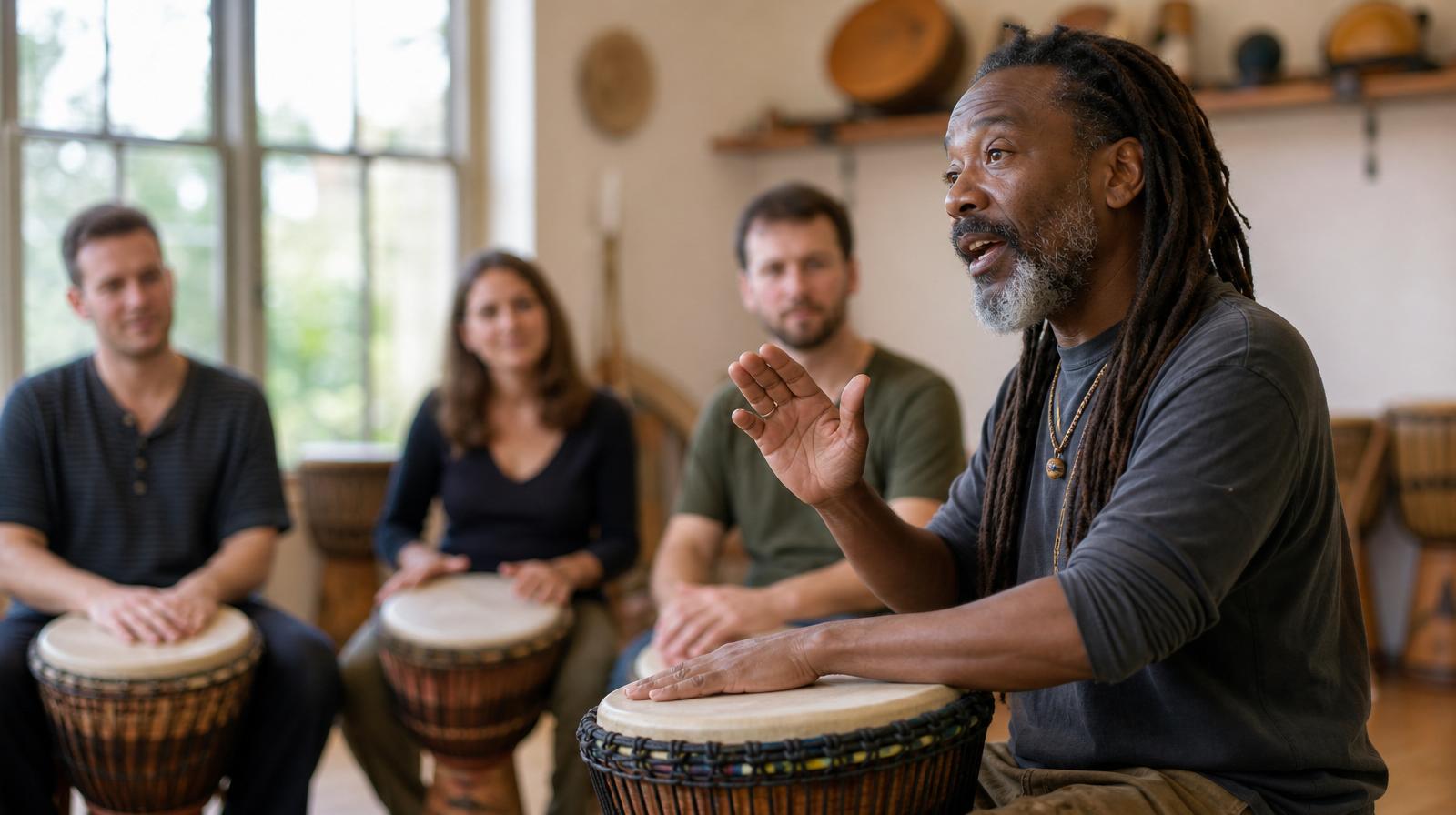
If you find yourself on the quartz-white sands of Sarasota as the sun begins its descent toward the Gulf of Mexico, you will likely hear it before you see it. A low, pulsing thrum of wood and skin, vibrating through the humid air. This is the Siesta Key Drum Circle, a legendary community gathering that has transformed Sunday evenings into a rhythmic ritual for decades.
For many, this is more than just a musical performance; it is a sensory immersion. Whether you are a seasoned percussionist or someone who has never touched a djembe, this guide will help you navigate your first visit with confidence and soul.
When and Where: Timing Your Arrival
The Siesta Key Drum Circle takes place every Sunday evening, year-round, at Siesta Public Beach. While the official start time is often cited as "an hour before sunset," the energy begins to build much earlier.
During the peak summer months, you might see the first few drummers setting up around 5:00 PM or 6:00 PM. In the winter, things kick off closer to 4:00 PM. To get a good spot—especially if you want to sit close to the inner ring—plan to arrive at least 90 minutes before the sun hits the horizon.
Pro Tip: Parking at Siesta Key Beach is notoriously difficult. The main lot fills up quickly. If you arrive late, you may find yourself walking a significant distance from overflow parking areas. If you're staying nearby, consider a ride-share or the local trolley.
The Instruments: What to Bring
You don’t need an instrument to enjoy the circle, but bringing one certainly deepens the experience. The Siesta Key gathering is eclectic, and you will see a wide variety of percussion tools:
- Djembes: The most common drum you'll see. Its deep bass and sharp slaps carry well over the sound of the waves.
- Doumbeks: Often used by those playing more intricate, Middle Eastern-inspired rhythms.
- Congas and Bongos: Providing that classic Afro-Cuban flair.
- Frame Drums and Tambourines: Perfect for those who want to contribute to the high-end texture without lugging a heavy drum across the sand.
- Shakers and Cowbells: Essential for maintaining the "pulse" or the heart of the rhythm.
If you are just starting your journey and want to learn the proper technique before joining a public circle, consider looking for drum teachers who can show you the basic hits (bass, tone, and slap) to help you play comfortably for hours.
Understanding the Circle Layout
The Siesta Key Drum Circle isn't just a haphazard group of people; it has a natural, organic structure.
- The Inner Ring: This is where the primary drummers sit. They hold the rhythm and drive the energy. If you are a beginner, it’s often best to sit just behind this ring until you feel confident in the tempo.
- The Dancers: Just outside the drummers, you’ll find the dancers. From hula-hoopers with LED lights to interpretive dancers, this space is for movement.
- The Outer Spectators: This is the largest group—families, tourists, and locals sitting on beach chairs or blankets, soaking in the atmosphere.
Etiquette for the First-Timer
To keep the vibe positive and the rhythm flowing, there are a few unwritten rules of the sand:
- Listen First: Before you start playing, spend five minutes just listening. Every circle has a unique "conversation" happening. Try to find the beat and join in softly.
- Respect the Lead: Usually, a few experienced drummers will set the tempo or initiate a call-and-response. Follow their lead rather than trying to speed up the rhythm.
- Ask Before You Play Someone Else's Drum: Most drummers are friendly, but their instruments are often expensive and sentimental. Never grab a drum that isn't yours without permission.
- Keep it Family Friendly: Siesta Key is a public beach. While the energy is high, it remains a space where children and seniors are present.
Beyond the Drums: The Full Experience
The Siesta Key Drum Circle is a multi-sensory event. As the sun sets, the sky often turns brilliant shades of pink and orange, providing a stunning backdrop to the music. You will see fire dancers emerging as the light fades, their movements synchronized to the heavy beat of the dununs and bass drums.
It’s also a great place to meet other rhythm enthusiasts. If you find yourself inspired by the community spirit, you might want to explore more formal events or regional gatherings to keep the momentum going.
What to Pack in Your Beach Bag
To make the most of your evening, come prepared. The Florida humidity can be taxing, and the beach environment requires some foresight:
- A Beach Chair or Blanket: You'll want a comfortable place to sit, especially if you aren't drumming.
- Water and Snacks: Stay hydrated. There are concession stands nearby, but they often have long lines.
- Ear Protection: If you plan on sitting in the inner ring, the decibel level can be quite high. High-fidelity earplugs are a drummer’s best friend.
- A Small Flashlight: Once the sun goes down, navigating the beach back to your car can be tricky.
Finding Your Rhythm Locally
While the Siesta Key Drum Circle is a world-class destination, the spirit of the drum lives everywhere. Many people who visit Siesta Key find themselves wanting to bring that sense of connection back home. You can search for other drum circles in your own city to find a local tribe.
If you want to dive deeper into the technical side of hand drumming, browsing drum schools is an excellent way to transition from a casual observer to a confident contributor to the circle.
Frequently asked
- Is the Siesta Key Drum Circle free?
- Yes, the Siesta Key Drum Circle is a free community event open to the public. There is no admission fee, though you should arrive early to secure free parking in the main beach lot.
- Can children attend the drum circle?
- Absolutely. The Siesta Key Drum Circle is a family-friendly event. Children often enjoy dancing in the sand or playing with small shakers, making it a great Sunday activity for all ages.
- What happens if it rains?
- Because the drum circle is an outdoor beach event, it is weather-dependent. If there is a light drizzle, some drummers may stay under the pavilion, but heavy rain or lightning will typically cancel the gathering.
- Do I need to be a professional drummer to join?
- Not at all. The circle welcomes all skill levels. Beginners are encouraged to start with simple rhythms or shakers and listen to the more experienced drummers to find the groove.
Find a drum circle near you
Browse hundreds of circles, teachers and rhythm community gatherings.
Explore drum circles