
Florida Sunset Drum Circle Guide: Best Beaches & Rhythms
Experience the magic of the Gulf Coast as the sun dips below the horizon to the pulse of the djembe. Discover Florida's most iconic beach drum circles.
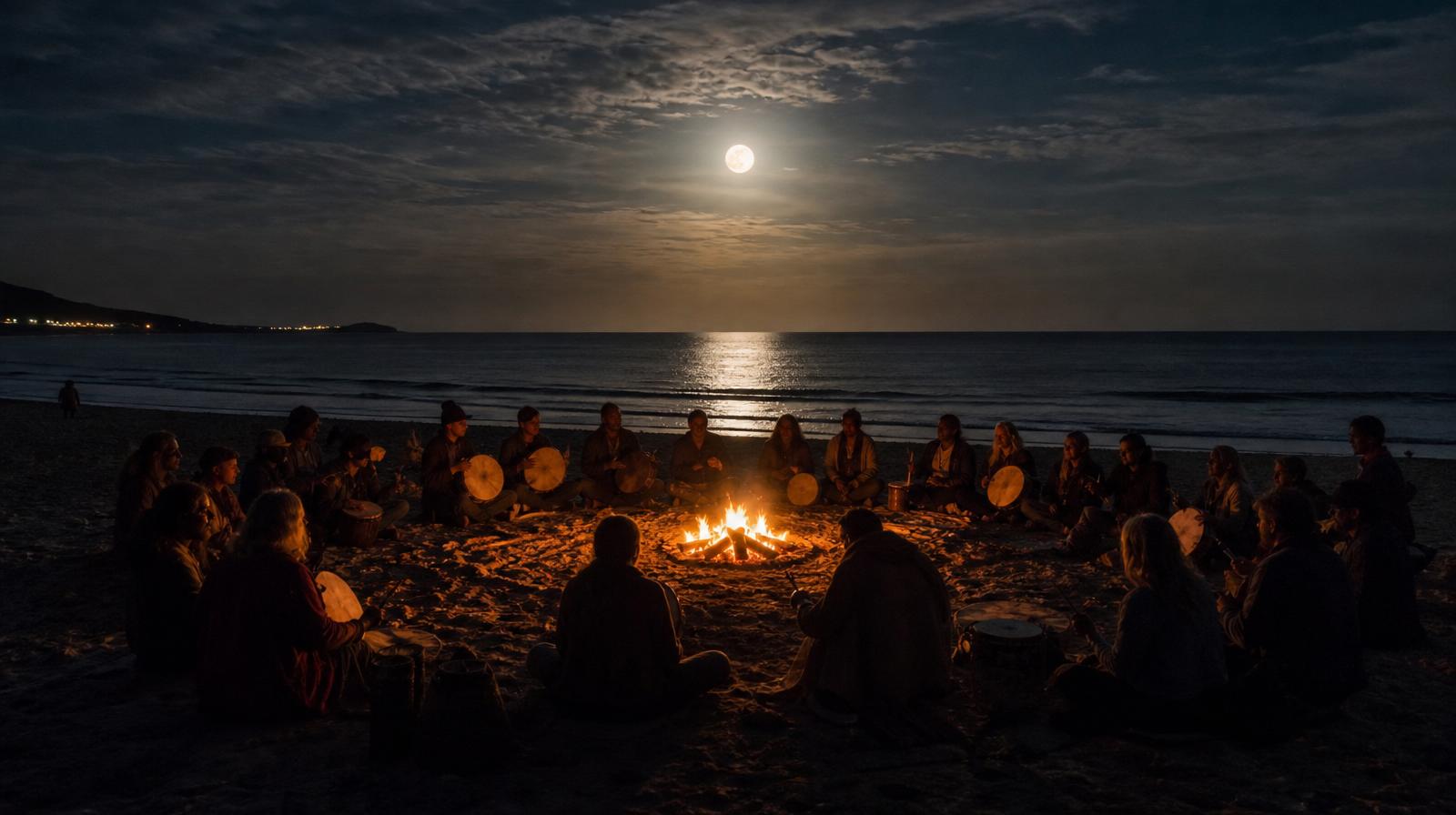
There is a unique magic that happens when the humid Florida air begins to cool and the sky transforms into a canvas of violet and gold. On beaches across the Sunshine State, this transition isn't marked by silence, but by the low, resonant thrum of the djembe and the sharp, metallic snap of the bell.
A Florida sunset drum circle is more than just a musical performance; it is a community ritual. Whether you are a seasoned percussionist carrying a heavy set of congas across the sand or a traveler who just happened to follow the sound, these gatherings offer a profound sense of connection to the rhythm of nature.
The Magic of the Gulf Coast Rhythm
While you can find rhythm gatherings throughout the state, the Gulf Coast is the undisputed heart of the Florida sunset drum circle scene. Because the sun sets directly over the water on the western coast, the visual experience provides a natural "conductor" for the music. As the sun touches the horizon, the tempo often increases, reaching a crescendo just as the last sliver of light disappears.
These events are largely organic. There is no stage, no tickets, and no formal rehearsal. Instead, you’ll find a diverse mix of professional facilitators, hobbyists, fire dancers, and families. The soundscape is usually a blend of West African polyrhythms, Afro-Cuban beats, and free-form improvisation.
Top Florida Sunset Drum Circle Locations
If you are planning a trip or looking for a new local spot, these are the most consistent and vibrant circles in the state:
- Siesta Key Drum Circle (Sarasota): Perhaps the most famous in the world, this circle meets every Sunday evening about an hour before sunset. It is massive, often attracting hundreds of participants and spectators near the main public beach pavilion.
- Treasure Island Drum Circle (St. Petersburg): Located behind the Bilmar Beach Resort, this community-driven gathering is known for its welcoming atmosphere and high-level players. It typically meets on Sundays.
- Nokomis Beach Drum Circle: A slightly more laid-back alternative to Siesta Key, this circle meets on Wednesdays and Saturdays. It’s a great place for those who want a bit more space to dance or play their frame drum without the massive crowds.
- Englewood Beach: A hidden gem where the community vibe is strong, and the focus is on the communal heartbeat rather than a performance for tourists.
Instruments You’ll Hear (and Can Bring)
In a Florida sunset drum circle, you will see a fascinating array of percussion instruments. While the djembe is the king of the beach due to its portability and volume, other instruments provide the necessary texture:
- Djembe: The West African rope-tuned skin-covered drum. Its deep bass and sharp slaps are the backbone of the circle.
- Dunun (Doundoun): These large, cylindrical drums played with sticks provide the melodic bassline that anchors the djembes.
- Congas and Bongos: Bringing a flavor of the Caribbean, these drums add a melodic, syncopated layer to the rhythm.
- Doumbek: A goblet-shaped drum from the Middle East, offering crisp, metallic tones that cut through the heavier bass.
- Frame Drums: Lightweight and ancient, these are perfect for those who want to participate in the rhythm while walking or dancing.
- Auxiliary Percussion: Shakers, shekeres, bells, and woodblocks are essential. They keep the pulse (the "grid") steady for everyone else.
If you're new to the scene, you might consider taking a few lessons from experienced drum teachers to learn the basic strokes—bass, tone, and slap—before joining the center of the ring.
Beach Drumming Etiquette for Newcomers
Every drum circle has its own unwritten rules, but beach circles have a specific flow. To ensure you have a great time and respect the community, keep these tips in mind:
- Listen First: Before you start playing, stand on the edge and listen to the established beat. Try to find the "one" (the downbeat) and enter softly.
- Support the Groove: You don't need to play a solo. Often, the most helpful thing a beginner can do is play a steady pulse on a shaker or cowbell.
- Respect the Center: The center of the circle is usually reserved for dancers and fire performers. Keep the space clear so they can move safely.
- Ask Before Playing Someone Else's Drum: Most drummers are happy to share, but their instruments are often expensive and sentimental. Always ask first.
- Leave No Trace: These are beautiful public beaches. Ensure you pack out all trash and respect the local wildlife and nesting sea turtles.
Why We Drum: The Health and Community Benefits
Beyond the fun of the music, participating in a Florida sunset drum circle offers significant wellness benefits. The act of drumming in a group has been shown to reduce stress, lower blood pressure, and boost the immune system. The combination of the rhythmic vibration, the salt air, and the social connection creates a "helper's high" that stays with you long after the drums have stopped.
Many participants find that these circles serve as a weekly reset. It is a rare space where age, politics, and background disappear, replaced by a shared heartbeat. If you find yourself hooked on the experience, you might look into drumming retreats where you can dive deeper into the spiritual and technical aspects of the craft.
How to Find Your Local Rhythm
While the big beach circles are famous, there are dozens of smaller, community-led gatherings happening in parks and community centers across Florida. Some are structured and led by trained facilitators, while others are wild and free-form.
If you want to improve your skills, checking out local drum schools or finding a dedicated teacher can help you move from the outer edge of the circle to the inner ring of lead players.
No matter where you are in Florida, from the Panhandle to the Keys, there is a rhythm waiting for you. The sunset is just the invitation.
Find a drum circle near you on the Drum Circle Directory.
Frequently asked
- What time do Florida sunset drum circles usually start?
- Most beach drum circles begin about one to two hours before the actual sunset time. This allows the rhythm to build as the crowd gathers, reaching its peak intensity just as the sun disappears below the horizon.
- Do I need to bring my own drum to participate?
- While having your own drum like a djembe or conga is ideal, it is not strictly necessary. Many circles have extra shakers or bells to share, and spectators are always welcome to dance or simply enjoy the music from the sidelines.
- Is the Siesta Key drum circle kid-friendly?
- Yes, the Siesta Key and most other Florida beach drum circles are very family-friendly. You will often see children dancing in the center or playing small percussion instruments, though parents should be mindful of the loud volume and large crowds.
- What happens if it rains?
- Since these are outdoor events, they are weather-dependent. Light sprinkles might not stop the dedicated players, but heavy Florida thunderstorms will usually cancel the gathering, as moisture can damage the natural goat-skin heads of the drums.
Find a drum circle near you
Browse hundreds of circles, teachers and rhythm community gatherings.
Explore drum circles