Mastering the Frame Drum Circle: A Guide to Rhythms and
Discover the ancient magic of the frame drum circle, from choosing your first drum to mastering the subtle techniques of communal rhythm.
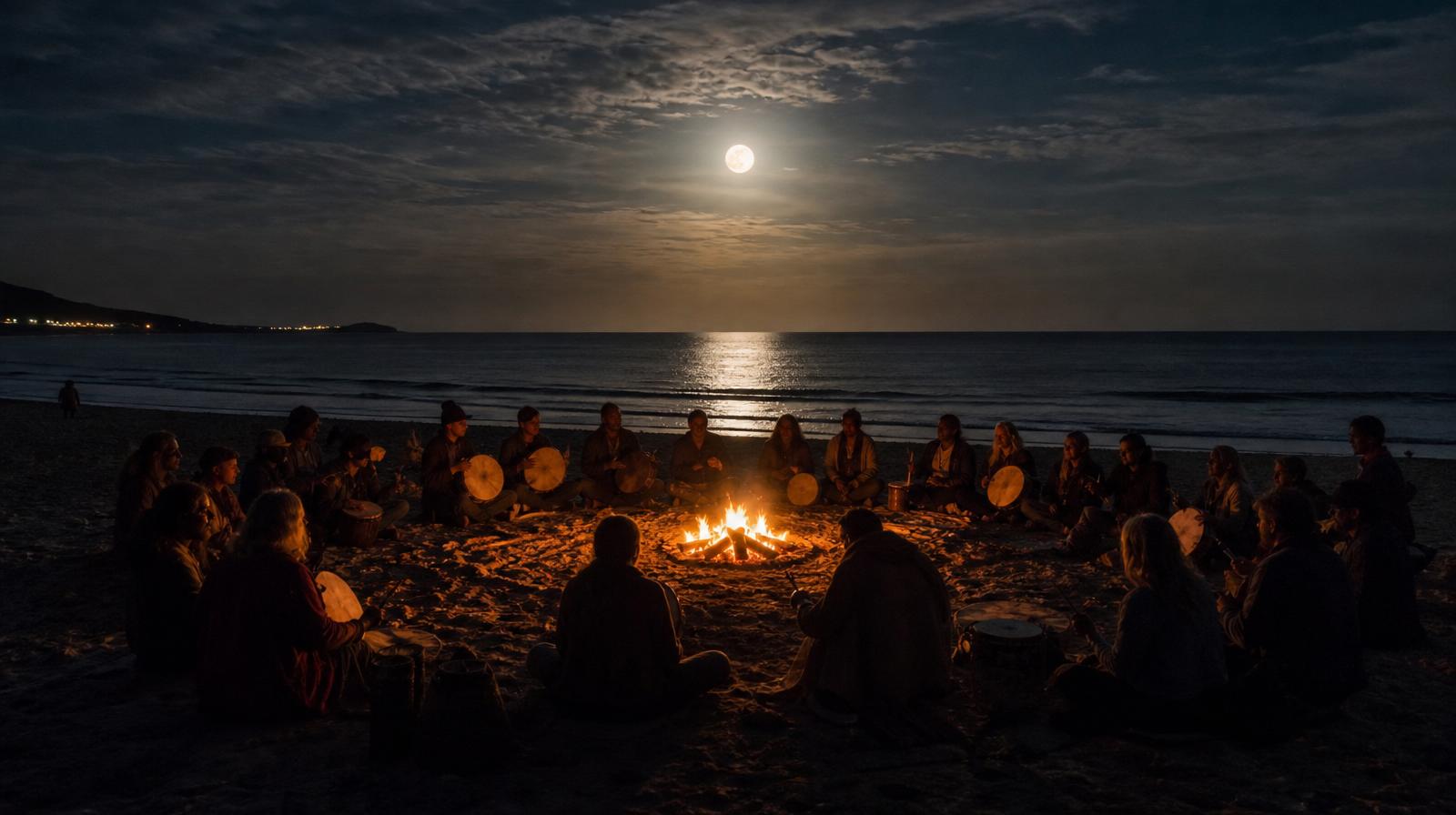
The frame drum is one of the world's most ancient and versatile instruments. Found in nearly every culture—from the Mediterranean and the Middle East to the Americas and Asia—it consists of a skin stretched over a shallow wooden hoop. When these instruments come together in a frame drum circle, the result is a meditative, powerful, and deeply communal experience that differs significantly from the high-energy thunder of a djembe or conga circle.
Whether you are a seasoned percussionist or a curious beginner, entering a frame drum circle offers a unique way to connect with your own internal pulse and the collective heartbeat of a group. In this guide, we will explore the nuances of these gatherings, the instruments involved, and how you can find your place in the rhythm.
The Unique Spirit of Frame Drumming
Unlike the heavy bass of a dunun or the sharp slap of a djembe, the frame drum often speaks in softer, more melodic tones. In a circle setting, this creates a space for nuance. Frame drum circles are frequently associated with mindfulness, spiritual practice, and the revival of ancient traditions.
Because frame drums are lightweight and portable, they are the instrument of choice for drumming retreats and outdoor gatherings. The sound is resonant and earthy, making it perfect for long, trance-like sessions where the focus is on the steady "heartbeat" rather than complex soloing.
Essential Instruments in the Circle
When you attend a frame drum circle, you will see a variety of instruments that fall under the "frame drum" umbrella. Each has its own voice and traditional playing style:
- The Tar: A large, thin-framed drum from North Africa and the Middle East, often played with the fingers while held upright.
- The Bendir: Similar to a Tar but featuring snares (usually made of gut) stretched across the inside of the head, creating a buzzing, harmonic drone.
- The Bodhrán: The iconic Irish frame drum, played with a wooden beater called a tipper or cipín.
- The Riqq: A small tambourine-like drum with heavy cymbals, requiring high levels of technical finger dexterity.
- The Buffalo Drum: Often used in shamanic or Native American-style circles, these are typically played with a padded mallet and produce a deep, haunting resonance.
Techniques for Communal Playing
To contribute meaningfully to a frame drum circle, it helps to understand the three primary playing positions:
- Lap Style: The drum rests on the knee. This allows for complex finger-triplets and is common in Turkish and Arabic traditions.
- Upright (Free-Hand) Style: The drum is held in one hand or between the knees, allowing both hands to strike the skin. This is the most common style for the Tar and Bendir.
- Mallet Style: Seen most often with buffalo drums or the Bodhrán, where a tool is used to create a consistent, driving pulse.
If you are new to these techniques, seeking out drum teachers who specialize in frame drums can help you avoid hand fatigue and unlock the beautiful overtones the instrument is capable of producing.
Etiquette: Finding Your Place in the Pulse
Every drum circle has its own unspoken culture, but frame drum circles are generally more focused on listening than loud expression. Here are a few tips for a successful first visit:
- Start with the Heartbeat: When you first join in, don't try to play a complex rhythm. Find the steady pulse (the "downbeat") and lock in with the facilitator or the more experienced players.
- Respect the Silence: Frame drumming often involves moments of silence or very soft playing. Pay attention to the volume of the group. If you can't hear the person next to you, you might be playing too loudly.
- Call-and-Response: Be ready for the facilitator to lead a call-and-response. This is a common way to build community and learn new patterns on the fly.
- Ask Before Playing Someone Else's Drum: Frame drums are often personal and delicate. Always ask for permission before trying out a drum that isn't yours.
The Health and Wellness Benefits of Frame Drumming
Many people join a frame drum circle for the documented health benefits. The rhythmic vibrations of the drum can lower cortisol levels, reduce stress, and induce a state of "flow." Because frame drumming is often more accessible for those with limited physical strength compared to heavy hand drums, it is an excellent choice for seniors or those looking for a low-impact musical hobby.
Beyond the physical, there is a profound psychological benefit to the "synchronization" that happens in a circle. When twenty people strike their drums at the exact same millisecond, a sense of unity and belonging is created that is hard to find in modern, digital life.
Finding a Local Circle or Teacher
If you're ready to pick up a drum, the next step is finding a community. Many drum schools offer introductory classes specifically for frame drums, which can give you the confidence to join a larger public circle. You can also look for specialized events like full-moon circles or solstice celebrations, which often feature frame drums prominently.
Whether you are looking for a high-intensity workout or a meditative evening of rhythm, the frame drum circle has a place for you. It is a journey into the past and a way to build a more resonant future.
Find a drum circle near you and start your rhythmic journey today.
Frequently asked
- Do I need to own a drum to join a frame drum circle?
- Not necessarily. Many community circles provide 'loaner' drums for newcomers. However, it is always a good idea to check the event description or contact the facilitator beforehand to see if you need to bring your own instrument.
- What is the difference between a frame drum and a djembe?
- A djembe is a goblet-shaped drum played with the palms and fingers, known for loud bass and high slaps. A frame drum has a depth smaller than its width, is generally quieter, and often utilizes intricate finger-tapping techniques.
- Can children participate in frame drum circles?
- Yes, frame drum circles are often family-friendly. Because buffalo drums and basic frame drums are lightweight and easy to hit with a mallet, they are perfect for introducing children to the world of rhythm and group cooperation.
Find a drum circle near you
Browse hundreds of circles, teachers and rhythm community gatherings.
Explore drum circles