
Free Community Drumming: Find Your Rhythm at No Cost
Discover the magic of free community drumming and learn how to find inclusive, local rhythm circles that welcome players of all skill levels.
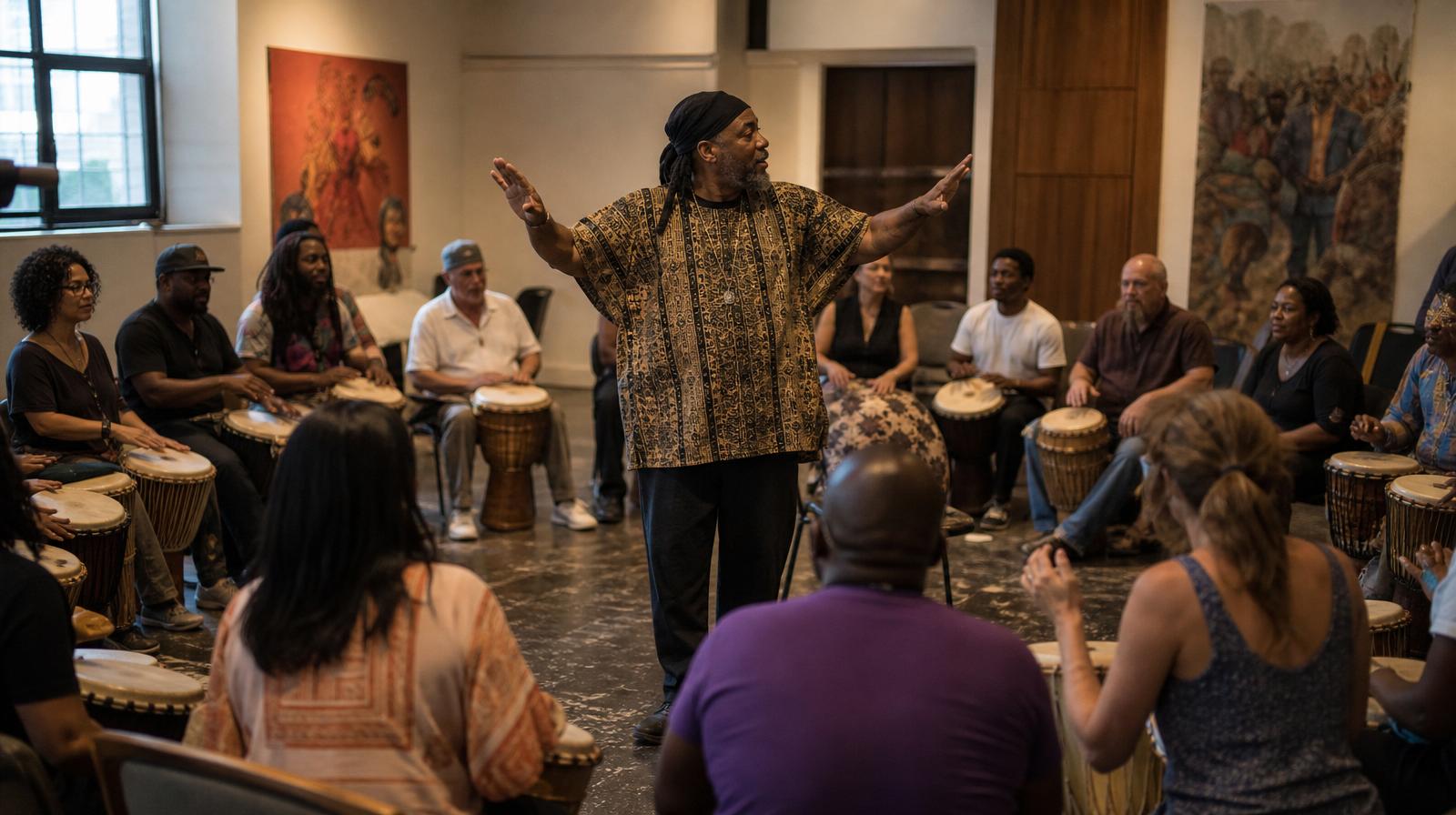
There is something primal and deeply healing about the sound of a drum. It is the first rhythm we ever hear—the heartbeat in the womb. When that rhythm is shared among a group of people in an open, inclusive space, it becomes a powerful tool for connection. Free community drumming events are popping up in parks, community centers, and beaches worldwide, offering a space where the only requirement for entry is a willing heart and a pair of hands.
In this guide, we will explore why these gatherings are essential, what to expect at your first circle, and how you can dive into the world of rhythm without spending a dime.
The Spirit of the Open Circle
Unlike a formal concert or a structured class, free community drumming is rooted in the concept of the "open circle." These are non-hierarchical gatherings where there is no stage and no audience. Everyone is a participant. The goal isn't musical perfection; it is rhythmic communication.
In these spaces, you will see a beautiful cross-section of humanity. Toddlers hitting plastic buckets sit alongside retirees with professional-grade congas. The magic lies in the diversity. Because these events are free, they remove the financial barriers that often keep people away from the arts, creating a truly democratic musical experience.
Common Instruments You’ll Encounter
While you don't always need your own instrument to join (many organizers bring extras), it helps to know what you are looking at. In a typical community circle, you will see a variety of percussion from around the globe:
- Djembe: The most popular drum in circles. This goblet-shaped West African drum is known for its deep bass and sharp slaps.
- Dunun: Often played with sticks, these cylindrical drums provide the melodic heartbeat of West African rhythms.
- Congas and Bongos: Afro-Cuban staples that add a warm, melodic texture to the groove.
- Frame Drums: Large, shallow drums like the tar or bodhrán, often played with a spiritual or meditative focus.
- Doumbek: A goblet drum from the Middle East that produces crisp, metallic tones.
- Auxiliary Percussion: Shakers, cowbells, woodblocks, and tambourines that fill in the "spaces between the beats."
If you are looking to move beyond the casual circle and master these instruments, connecting with drum teachers can help you develop the technique needed to play for hours without fatigue.
What to Expect: Your First Free Drum Circle
Walking into a circle for the first time can feel intimidating, but remember: everyone there was once a beginner. Most free community drumming events follow a similar flow.
Usually, the rhythm starts with a single person—often a facilitator or an experienced regular—laying down a steady pulse. Others join in, layering sounds until a full "groove" is established. Some circles are "facilitated," meaning a leader uses hand signals to change the volume, tempo, or stop the music for a "call-and-response" moment. Others are "organic," where the music evolves naturally based on the energy of the group.
The Unwritten Rules: Drum Circle Etiquette
To ensure the experience remains enjoyable for everyone, there are a few pieces of etiquette to keep in mind:
- Listen as much as you play: The best drummers are the best listeners. Try to find the "pocket" of the rhythm rather than playing over everyone else.
- Ask before playing someone else’s drum: Many drums are handmade and fragile. Always ask for permission before trying out a neighbor's instrument.
- Support the beat: If the rhythm feels chaotic, go back to a simple, steady pulse. This acts as an anchor for the rest of the group.
- Respect the facilitator: If someone is guiding the circle, follow their cues. They are there to make sure the group sounds cohesive.
- Mind the volume: Community circles often take place in public parks. Be mindful of local noise ordinances and the comfort of non-drumming park-goers.
The Health and Wellness Benefits of Group Rhythm
Free community drumming isn't just about making noise; it’s about well-being. Scientific studies have shown that group drumming can reduce stress, boost the immune system, and even help manage chronic pain. The rhythmic entrainment—where your heart rate and brain waves synchronize with the beat—creates a state of "flow" that is remarkably similar to deep meditation.
For many, these circles serve as a weekly "rhythm reset," a time to let go of the stresses of the workday and reconnect with a supportive community. If you find yourself craving a deeper dive into these healing aspects, you might consider attending dedicated drumming retreats that focus specifically on the therapeutic power of the beat.
Finding Free Events Near You
How do you find these elusive gatherings? While some are advertised on social media, many of the best circles are local secrets.
Check local community center bulletin boards, public park event calendars, and health food stores. Many "full moon" gatherings include a drumming component and are usually free to the public. However, the most reliable way to find a consistent group is to check our curated listings of drum circles and events, where organizers frequently list their free community meetups.
If your local area doesn't have a circle yet, don't be afraid to start one! Grab a few friends, a couple of buckets, and head to a public space. You’ll be surprised at how quickly others will want to join in.
Taking the Next Step in Your Journey
Once you’ve caught the "drumming bug" at a free event, you might find yourself wanting to learn the cultural history and complex patterns behind the music. This is where drum schools come in. Transitioning from a casual community jam to a structured learning environment can turn a fun hobby into a lifelong passion.
Whether you are playing a $500 djembe or a plastic water jug, the spirit of community drumming remains the same: we are better when we play together.
Find a drum circle near you.
Frequently asked
- Do I need to bring my own drum to a free community circle?
- While many participants bring their own instruments, it is common for facilitators to provide a 'drum bucket' filled with extra percussion, shakers, and djembes for newcomers to use. It is always a good idea to arrive early if you need to borrow an instrument.
- Can children participate in community drumming events?
- Most community drum circles are family-friendly and welcome children of all ages. Drumming is a fantastic way for kids to develop motor skills and social cooperation, though parents should ensure their children follow the basic etiquette of the circle.
- What if I have no musical experience or rhythm?
- Free community circles are specifically designed for people of all skill levels, including absolute beginners. The collective beat of the group will help guide you, and there is no pressure to play anything complex—simply keeping a steady pulse is a valuable contribution.
Find a drum circle near you
Browse hundreds of circles, teachers and rhythm community gatherings.
Explore drum circles