
Where to Find a Free Drum Circle: A Guide to Community
Discover the magic of community drumming with our guide to finding free drum circles, understanding basic etiquette, and what to bring to your first jam.
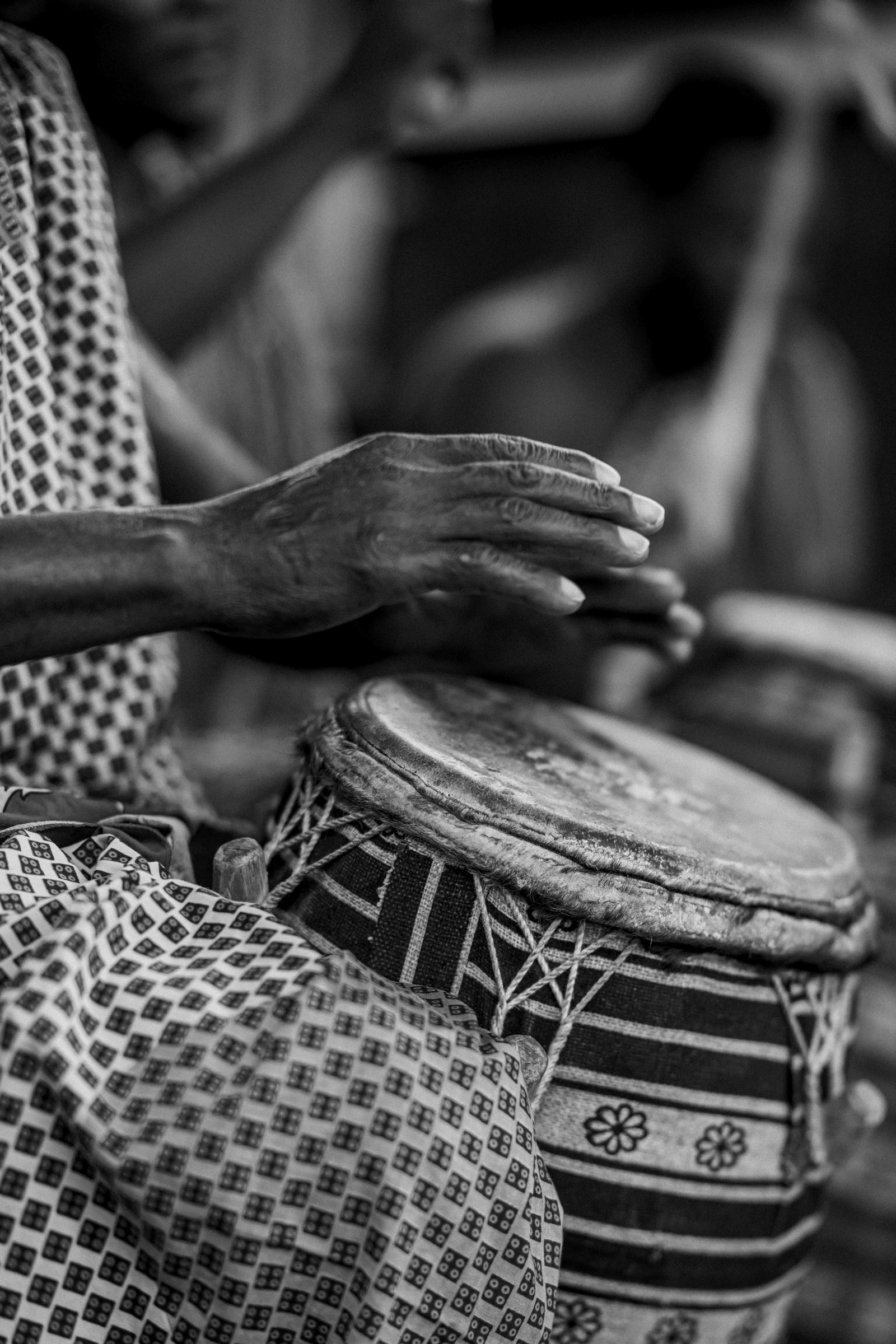
There is something primal and deeply satisfying about the sound of a drum. It’s a heartbeat we all share. For many, the gateway into this world isn't a formal classroom or an expensive stage performance—it is the local free drum circle. These grassroots gatherings are the lifeblood of the drumming community, offering a space where beginners and masters sit side-by-side to weave a tapestry of rhythm.
Finding a free drum circle is about more than just saving money; it’s about experiencing the raw, unpolished joy of collective improvisation. Whether you are holding a djembe for the first time or you are a seasoned conga player, these community events provide a sanctuary for expression, healing, and connection.
The Spirit of the Community Drum Circle
A free drum circle is typically a non-facilitated or lightly facilitated event where the primary goal is community building. Unlike a structured class you might find at drum schools, these circles are organic. They often take place in public parks, on beaches during a full moon, or in community centers.
The beauty of these gatherings lies in their inclusivity. You will see toddlers shaking maracas next to elders playing frame drums. The "free" aspect ensures that there are no barriers to entry, making rhythm accessible to everyone regardless of their socio-economic background. It is a democratic space where every voice—or rather, every beat—matters.
How to Find a Free Drum Circle Near You
If you are wondering where to start your rhythmic journey, you don't have to look far. Most cities have a hidden network of drummers who meet regularly. Here are the best ways to track them down:
- Public Parks and Beaches: Many circles are tradition-based, meeting at the same spot every Sunday afternoon or during specific lunar cycles.
- Online Directories: The most reliable way to find verified gatherings is to browse the drum circles listings on our directory, which filters by location and type.
- Local Music Shops: Independent music stores often have bulletin boards where facilitators post flyers for upcoming community jams.
- Social Media Groups: Search for "Drumming Community" or "Hand Drumming" followed by your city name on platforms like Facebook or Meetup.
What to Expect at Your First Gathering
Walking into your first free drum circle can be intimidating, but remember: these spaces are built on radical acceptance. When you arrive, you’ll likely hear the rumble of the bass notes (the "heartbeat") long before you see the group.
Most circles are arranged in a physical ring. The center is often kept open for dancers or left empty to allow the sound to resonate. You might hear a mix of instruments, from the high-pitched crack of a doumbek to the deep, resonant thud of the dununs. Don’t feel pressured to play loudly right away. It is perfectly okay to sit, listen, and find the pulse before joining in.
Essential Etiquette for Free Drumming Events
While free circles are informal, they do have an unwritten code of conduct that keeps the rhythm flowing and the vibe positive. Following these simple rules of etiquette ensures everyone has a good time:
- Ask Before Playing Someone Else’s Drum: Many drummers treat their instruments as sacred objects. Never pick up a djembe or conga that isn't yours without explicit permission.
- Listen More Than You Play: The best drummers are the best listeners. Try to complement the existing rhythm rather than playing over it.
- Leave Space: You don't need to fill every moment with sound. Silence and syncopation are what make a rhythm swing.
- Respect the Facilitator: If someone is leading a call-and-response or signaling a volume drop, follow their lead.
- Remove Jewelry: Rings and bracelets can damage the skin of a drum and hurt your hands.
Choosing the Right Instrument
You don't need a thousand-dollar setup to participate in a free drum circle. In fact, many people start with nothing more than their hands and a borrowed instrument. If you are looking to purchase your first drum, consider these popular options:
- Djembe: The most popular choice for circles due to its wide range of tones (bass, tone, and slap).
- Congas: Great for adding a melodic, steady pulse to the rhythm.
- Frame Drums: Lightweight and portable, perfect for those who prefer a more meditative style.
- Percussion Toys: Shakers, cowbells, and tambourines are essential for adding texture and are often the unsung heroes of a great jam.
If you find yourself wanting to dive deeper into technique after attending a few circles, reaching out to drum teachers can help you refine your stroke and prevent hand fatigue.
The Benefits of Group Drumming
Why do people gather in the heat of summer or the chill of autumn to play drums for free? The benefits extend far beyond the music. Scientific studies have shown that group drumming can reduce stress, lower blood pressure, and boost the immune system.
Beyond the physiological, there is the "helper’s high"—the feeling of being part of something larger than oneself. In a world that is increasingly digital and isolated, the free drum circle offers a tactile, analog connection to other human beings. It is a form of active meditation that clears the mind and energizes the spirit.
Beyond the Local Circle: Events and Retreats
Once you’ve caught the "drumming bug" at a local free event, you might find yourself craving a deeper immersion. Many drummers transition from local parks to organized events and festivals. These larger gatherings often feature world-class facilitators and workshops that can take your playing to the next level. For those seeking a total transformation, drumming retreats offer the chance to spend several days living and breathing rhythm in a beautiful natural setting.
Conclusion
A free drum circle is a gift to the community. It is a place where the only requirement for entry is a heartbeat and a willingness to listen. Whether you are looking for a creative outlet, a way to meet new friends, or a healing practice, the circle is waiting for you. Grab a shaker, find a seat, and let the rhythm carry you away.
Find a drum circle near you by visiting our drum circles directory.
Frequently asked
- Do I need to bring my own drum to a free drum circle?
- While many participants bring their own instruments, it is very common for facilitators or long-time members to bring 'loaner' drums and shakers for newcomers. If you don't have a drum, just show up early and ask politely if there is an extra instrument you can use for the session.
- Can children participate in community drum circles?
- Most free, outdoor drum circles are very family-friendly and welcome children of all ages. It is a great way to introduce kids to music and rhythm, though parents should ensure their children respect the instruments and stay mindful of the group's volume levels.
- What should I wear to a drum circle?
- Comfort is key. Wear loose-fitting clothing that allows you to sit comfortably with a drum between your legs. Avoid wearing heavy rings, watches, or bracelets, as these can vibrate against the drum head, causing unwanted noise or even damaging the instrument's skin.
Find a drum circle near you
Browse hundreds of circles, teachers and rhythm community gatherings.
Explore drum circles