Find a Free Drum Circle Near Me: The Ultimate Local Guide
Discover how to find local rhythmic gatherings, what to expect at your first circle, and how to join the community for free.
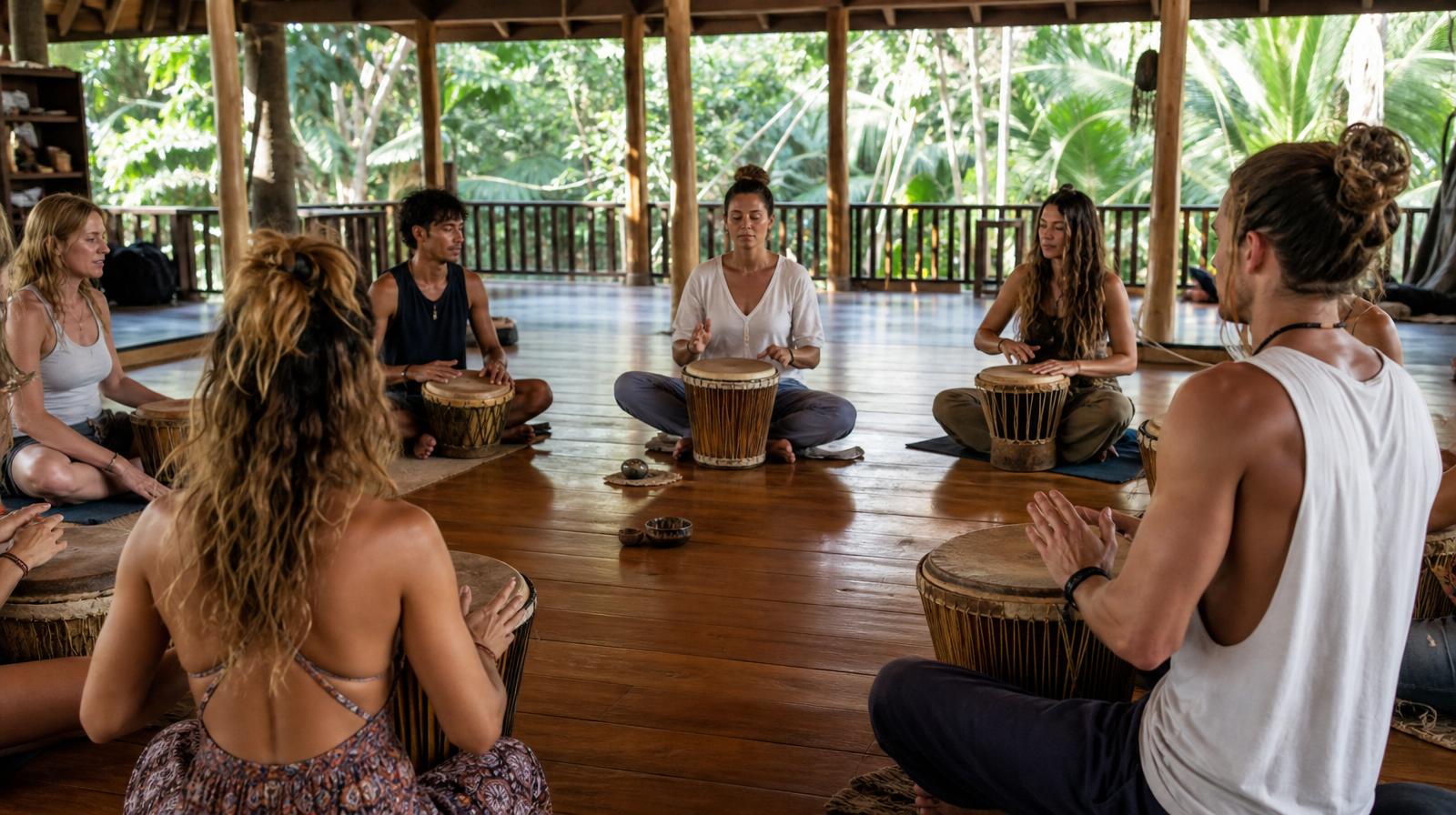
There is something primal and deeply restorative about the sound of a drum. Whether it is the deep thud of a djembe or the sharp slap of a conga, rhythm has a way of bringing people together. If you have been searching for a "free drum circle near me," you are likely looking for more than just music—you are looking for community, stress relief, and a place to express yourself.
Free drum circles are one of the last bastions of truly accessible community art. Unlike concerts where you are a passive observer, a drum circle invites you to be the performance. In this guide, we will explore how to find these gatherings, the etiquette of joining, and why these rhythmic spaces are vital for our well-being.
Why Look for a Local Drum Circle?
Drumming is one of the oldest forms of human communication. Modern research now backs up what ancient cultures have known for millennia: drumming reduces stress, boosts the immune system, and creates a sense of belonging. Finding a free drum circle in your local park or community center is an invitation to step away from screens and into a shared human experience.
These gatherings are typically non-audition based. You don't need to be a professional percussionist to join. In fact, most circles thrive on the diversity of skill levels, from the seasoned facilitator to the person picking up a shaker for the very first time.
Where to Find a Free Drum Circle Near Me
Finding a gathering is easier than you might think, but it requires knowing where to look. Here are the most common places where free rhythm events occur:
- Public Parks: Many cities host regular, informal gatherings in large parks, often coinciding with the full moon or Sunday afternoons.
- Community Centers: Local non-profits often host "all-ages" drum circles to promote social cohesion.
- Beach Gatherings: In coastal areas, sunset drum circles are a staple of the local culture.
- Music Stores: Some independent shops host free jam sessions to encourage new players.
To find a verified list of gatherings, you can browse our directory of drum circles to see what is happening in your specific region.
What Instruments Should You Bring?
While many facilitated circles provide extra instruments, it is always a good idea to bring your own if you have one. If you are just starting out, you don't need an expensive setup. Here are the most common instruments you'll see:
- Djembe: The most popular choice for its wide range of tones (bass, tone, and slap).
- Congas: Great for steady, melodic rhythms.
- Doumbek: A goblet-shaped drum popular in Middle Eastern music, known for its crisp, high notes.
- Frame Drums: Lightweight and spiritual, perfect for softer, meditative circles.
- Auxiliary Percussion: If you aren't ready to drum, bring a shaker, a cowbell, or a tambourine.
If you want to improve your technique before showing up, consider reaching out to local drum teachers who can show you the basic hits and hand positions.
Understanding Drum Circle Etiquette
Even though these events are free and open to the public, there are unwritten rules that keep the rhythm flowing smoothly. Following these tips will ensure you are welcomed back:
- Listen More Than You Play: When you first arrive, take a moment to listen to the established groove. Don't try to lead the rhythm immediately.
- Respect the Center: The middle of the circle is often a space for dancers or a shared energy focus. Avoid walking through it unless it’s part of the event.
- Ask Before Playing Someone Else’s Drum: Musicians can be protective of their instruments. Always ask permission before trying out a drum that isn't yours.
- Follow the Facilitator: If there is a designated leader, watch for their signals to start, stop, or change the volume. They are there to ensure the sound doesn't become chaotic.
The Different Types of Drum Circles
Not all circles are created equal. When searching for a "free drum circle near me," you might encounter different styles:
The Community Jam
These are often informal and un-facilitated. People show up, someone starts a beat, and others join in. These are high-energy and can sometimes be loud and chaotic, but they are incredibly fun.
The Facilitated Circle
A professional facilitator guides the group, using hand signals to manage dynamics and tempo. These are excellent for beginners because the facilitator ensures that everyone stays in sync.
The Meditative or Healing Circle
These focus on the therapeutic aspects of sound. The rhythms are often slower, and there may be periods of silence or guided visualization. If you are looking for a deeper spiritual experience, look for drumming retreats that offer immersive weekend sessions.
Overcoming Beginner Anxiety
It is completely normal to feel nervous about playing in public. Many people worry they "don't have rhythm." The truth is, if you have a heartbeat, you have rhythm. The goal of a community circle isn't perfection; it's participation.
Start by playing a simple steady beat on the one-count. You don't have to fill every gap with sound. In fact, the space between the notes is what makes the music breathe. If you feel overwhelmed, just stop and listen for a few bars until you find your way back in.
How to Start Your Own Free Circle
If you can't find a "free drum circle near me," why not start one? All you need is a public space, a few friends, and a couple of drums.
- Pick a Location: Check local ordinances to ensure drumming is allowed in your chosen park.
- Set a Consistent Time: "Every third Saturday at 2 PM" is easier for people to remember than random dates.
- Promote Locally: Post on social media and local community boards.
- Invite a Teacher: Sometimes inviting someone from a drum school to lead the first session can help give the group a solid foundation.
The Impact of Rhythmic Community
In an increasingly digital world, the physical vibration of a drum circle offers a rare form of connection. You aren't just looking for a free event; you are looking for a place where you can be yourself, contribute to a collective sound, and leave feeling lighter than when you arrived.
Whether you are playing a djembe, a dunun, or a simple plastic bucket, you are part of a global tradition that spans centuries. We hope to see you in the circle soon.
Find a drum circle near you today.
Frequently asked
- Do I need to bring my own drum to a free circle?
- It depends on the event. Many facilitated community circles provide a 'drum bank' for newcomers to use, but informal park jams usually require you to bring your own. If you don't have a drum, a simple shaker or even two sticks can work perfectly.
- Are children allowed at community drum circles?
- Most free drum circles are family-friendly and welcome children of all ages. It is a fantastic way for kids to develop motor skills and socialise. Just ensure you bring ear protection for very young children, as the volume can sometimes get quite high.
- What if I have no musical experience?
- No experience is necessary! Drum circles are about community and expression rather than technical skill. Listen to the heartbeat of the group and try to match it; most facilitators will help guide you if you get off-beat.
Find a drum circle near you
Browse hundreds of circles, teachers and rhythm community gatherings.
Explore drum circles