
Find Free Drum Circles in Your City: A Guide to Local Rhythm
Discover how to find free drum circles in your city and join a community of rhythm-makers without spending a dime.
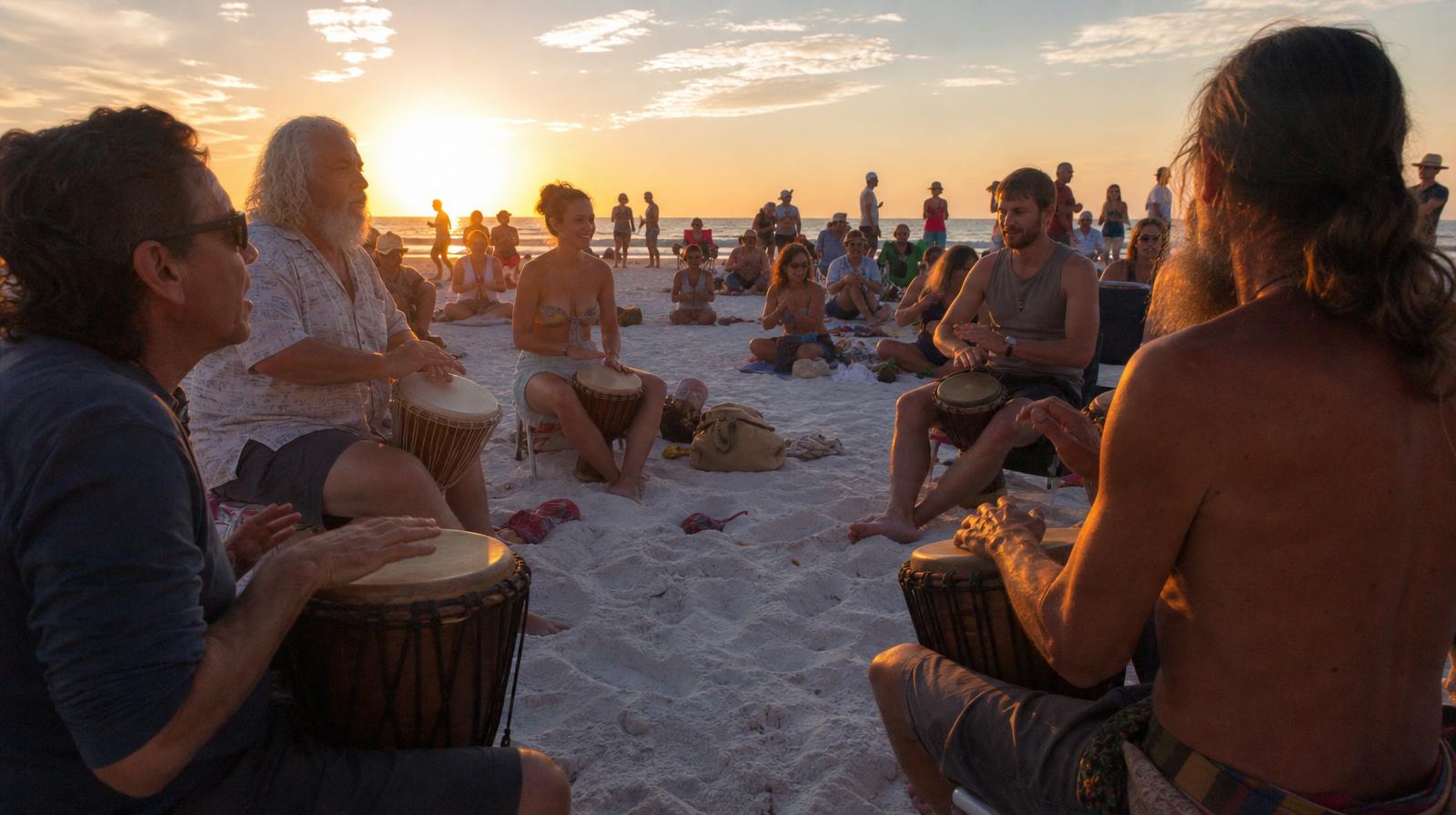
There is something primal and deeply restorative about the sound of a collective beat. Whether it is the sharp slap of a djembe or the low, grounding thrum of a dunun, drumming brings people together in a way few other activities can. The best part? You don't need a professional background or a massive budget to participate. Many of the most vibrant rhythm gatherings are completely free to the public.
Finding free drum circles in your city is the first step toward connecting with a local tribe, reducing stress, and expressing your innate creativity. In this guide, we will explore how to locate these gatherings, what to expect when you arrive, and how to become a welcome part of the community.
Why Free Drum Circles are the Heart of the Community
Free drum circles serve as the democratic heartbeat of the local music scene. Unlike ticketed concerts or formal classes, these gatherings are usually open to everyone—regardless of age, skill level, or financial status. They often take place in public parks, community centers, or on beaches during a full moon.
These events prioritize "community music making" over performance. There is no stage, no audience, and no hierarchy. In a free circle, the process of playing together is the goal. For many, these sessions become a weekly ritual for mental health and social connection.
Where to Look for Free Drumming Events
If you are searching for free drum circles in your city, you need to know where the rhythm community naturally gravitates. Here are the most common places to start your search:
- Public Parks and Green Spaces: Many cities have unofficial "drumming spots" where players gather every Sunday afternoon. Look for large, accessible parks with open lawns.
- Community Centers: Local non-profits often host free rhythm nights to encourage neighborhood bonding.
- Metaphysical and New Age Shops: These businesses frequently sponsor full-moon or solstice circles that are open to the public.
- Farmers Markets: You will often find a small group of drummers providing the soundtrack to local shopping, often welcoming others to sit in.
- Online Directories: The most reliable way to find verified gatherings is to check the drum circles directory, which lists facilitators and established groups globally.
What to Bring to Your First Circle
While many free circles are "BYOD" (Bring Your Own Drum), the community is notoriously generous. If you don't own an instrument yet, don't let that stop you.
- Your Instrument: If you have a djembe, conga, bongo, or frame drum, bring it along. Even small percussion like shakers, cowbells, or woodblocks are highly valued.
- A Comfortable Chair: Unless the circle is on a beach or has park benches, a folding camping chair is a lifesaver for long sessions.
- Water and Sun Protection: Outdoor circles can be physically demanding. Stay hydrated and bring a hat.
- An Open Mind: Every circle has its own "vibe." Some are meditative and slow, while others are high-energy and fast-paced.
If you find you love the experience but want to improve your technique, you might eventually look for drum teachers to help you master specific traditional rhythms.
Understanding Basic Drum Circle Etiquette
Even though these events are free and informal, there are unwritten rules that keep the rhythm flowing smoothly. Following these simple tips ensures you’ll be invited back:
- Listen First: Before you start playing, listen to the established beat for a minute. Find the "pulse" and enter softly.
- Support the Bass: The low notes (the heart) of the circle are usually provided by the larger drums like dununs or surdos. Don't try to play over them; play with them.
- Leave Space: You don't have to play on every single beat. Leaving "silence" in your rhythm allows the music to breathe.
- Ask Before Playing Someone Else's Drum: Instruments are personal and often expensive. Always ask for permission before trying out a neighbor's conga or doumbek.
- Follow the Facilitator: If there is a designated facilitator, watch for their signals to volume down, stop, or start a new rhythm.
The Benefits of Joining a Local Rhythm Group
Beyond the joy of making music, participating in free drum circles offers significant health benefits. Research has shown that group drumming can lower cortisol levels, boost the immune system, and even help manage chronic pain.
For those looking to dive deeper into the lifestyle, many people start at free local jams before graduating to drumming retreats or specialized drum schools to study the cultural roots of West African, Afro-Cuban, or Middle Eastern percussion.
Finding a Drum Circle Near You Today
Ready to find your beat? The best way to start is to browse our comprehensive listings of community gatherings. Whether you are looking for a high-energy city park jam or a quiet lakeside meditation, the rhythm is waiting for you.
Frequently asked
- Do I need to be a good drummer to join a free circle?
- Not at all. Most free community drum circles are 'all-levels' events where beginners are warmly welcomed. As long as you can keep a basic pulse or play a simple shaker, you will fit right in.
- What if I don't own a drum?
- Many community circles have 'loaner' instruments or a basket of percussion toys like maracas and tambourines. It is always a good idea to arrive early and ask the organizer if there are extra instruments available for newcomers.
- Are free drum circles kid-friendly?
- Yes, the majority of free outdoor drum circles are family-friendly environments. It is a wonderful way for children to experience rhythm and community, though it's always wise to bring ear protection for very young children.
Find a drum circle near you
Browse hundreds of circles, teachers and rhythm community gatherings.
Explore drum circles