Free Drum Circles: How to Find and Join Local Rhythm
Discover the magic of community rhythm without the price tag. Our guide covers everything from finding free drum circles to what you should bring to your first jam.
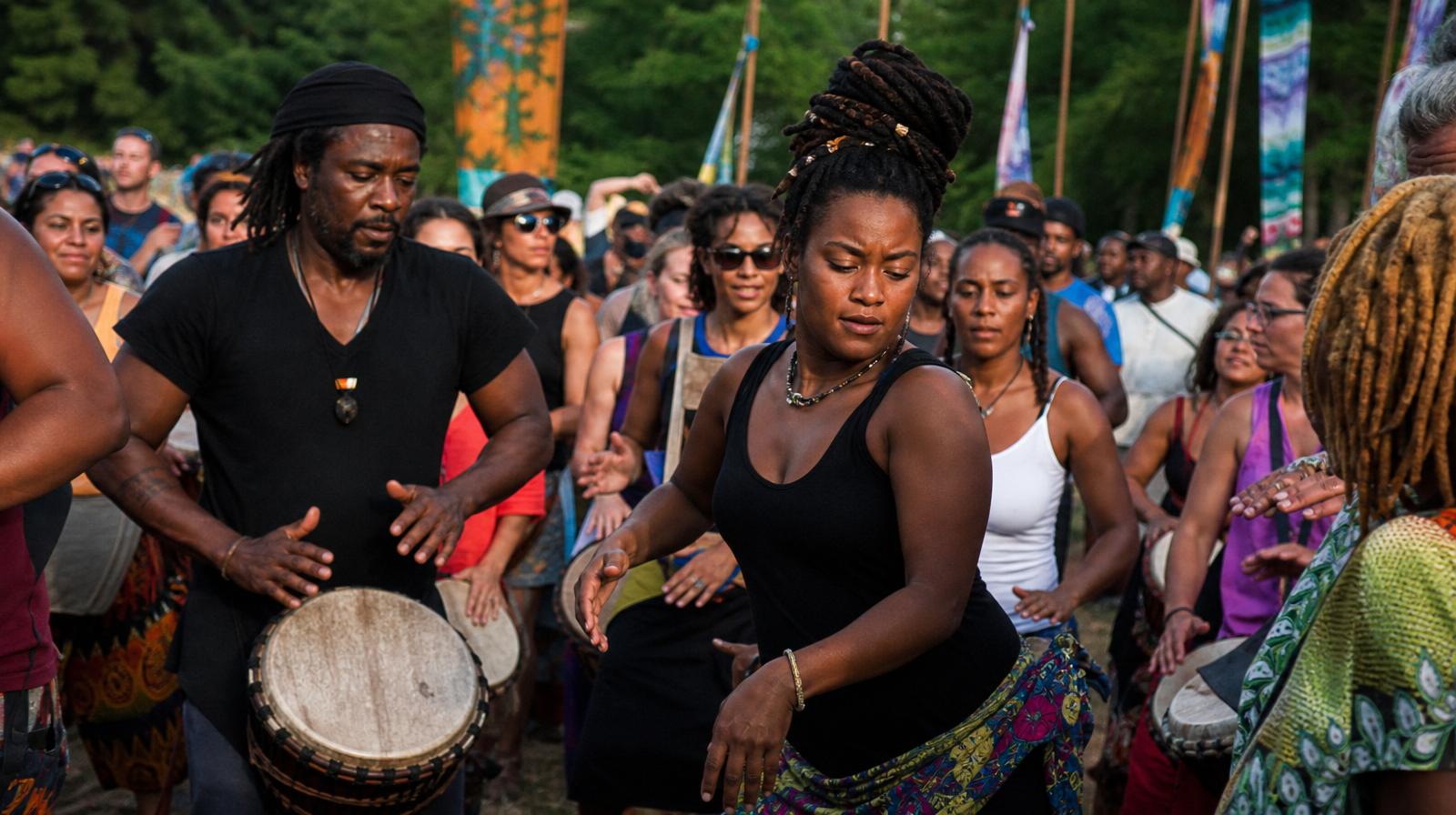
There is something primal and deeply satisfying about the sound of a drum. When dozens of people come together to create a spontaneous groove, the energy is palpable. Best of all, many of these experiences are accessible to everyone. Finding free drum circles is one of the best ways to connect with your local community, reduce stress, and explore your musicality without a financial barrier.
Whether you are a seasoned percussionist with a collection of professional congas or a curious beginner who has never held a djembe, free community circles offer a welcoming space for all skill levels. In this guide, we will explore where to find these gatherings, what to expect, and how to participate with confidence.
Why Community Drumming is Growing
In an increasingly digital world, people are craving tactile, face-to-face connection. Free drum circles provide a unique social outlet that transcends language and background. These gatherings are often held in public parks, on beaches during the full moon, or in community centers.
The beauty of a free circle is its inclusivity. Because there is no barrier to entry, you often see a beautiful cross-section of society: families with young children, retirees, and professional musicians all playing side-by-side. This "rhythmic democracy" is the heart of the drum circle movement.
Where to Look for Free Drum Circles
Finding a local jam session is easier than you might think. Most free events are organized by volunteers or local non-profits who want to share the joy of rhythm. Here are the most common places to look:
- Public Parks: Many cities host weekly or monthly gatherings in central parks. These are often the most visible and welcoming for newcomers.
- Full Moon Gatherings: Beach communities frequently host free drum circles to celebrate the lunar cycle. These events tend to be more spiritual and free-form.
- Farmers Markets: Some local markets invite drummers to provide a rhythmic backdrop for shoppers.
- Community Centers: Libraries and local recreational centers sometimes offer free introductory sessions to encourage wellness.
If you are having trouble finding a local group, you can search our comprehensive list of drum circles to find a gathering in your area.
What Instruments Should You Bring?
While many free drum circles are "BYOD" (Bring Your Own Drum), you don’t necessarily need an expensive instrument to participate. If you don't own a drum yet, you might look for drum schools that offer rental programs or community loaner bins at events.
Common instruments you will see include:
- Djembe: The most popular drum in circles due to its wide range of tones.
- Congas and Bongos: Great for adding melodic, syncopated textures.
- Frame Drums: Lightweight and easy to carry, offering a mystical, earthy sound.
- Dunun: These large bass drums provide the heartbeat of the rhythm.
- Shakers and Tambourines: Perfect for beginners who want to contribute to the pulse without the pressure of leading a beat.
Basic Etiquette for Free Gatherings
Even though these events are free and often informal, following a few basic rules of etiquette ensures that everyone has a good time.
- Listen First: Before you start playing, take a moment to listen to the established groove. Try to find the "heartbeat" of the circle.
- Leave Space: You don't have to play on every beat. Leaving space in the music allows other instruments to be heard.
- Support the Pulse: The bass drummers usually hold the tempo. Avoid playing too fast or trying to pull the rhythm in a different direction.
- Ask Before Playing Someone Else's Drum: Most drummers are happy to share, but always ask permission before touching an instrument that isn't yours.
- Respect the Facilitator: If there is a leader in the center using hand signals to change the volume or stop the rhythm, follow their lead.
The Health Benefits of Group Rhythm
Participating in free drum circles isn't just about the music; it's about your well-being. Peer-reviewed studies have shown that group drumming can reduce cortisol levels, boost the immune system, and help manage symptoms of anxiety and depression.
The repetitive nature of the rhythm induces a meditative state, often referred to as "rhythmic entrainment." When your brainwaves synchronize with the beat, it creates a sense of calm and clarity that stays with you long after the circle has ended.
How to Start Your Own Free Circle
If you can’t find a circle nearby, why not start one? All you need is a public space (check local permit laws), a few friends, and a consistent time. Start small at a local park and post about it on social media.
As your group grows, you might consider reaching out to drum teachers in your area to see if they would be interested in facilitating a session to help newcomers learn basic techniques. You can also list your new group on our events page to help locals find you.
Finding Your Rhythm Community
Joining a free drum circle is often the first step in a lifelong journey with percussion. Once you experience the power of the group, you may find yourself wanting to dive deeper into specific traditions, such as West African djembe rhythms or Afro-Cuban conga patterns.
No matter where you are in your journey, remember that the most important part of a drum circle is the "circle" itself—the community of people coming together to share a moment in time.
Frequently asked
- Do I need to know how to drum to join a free drum circle?
- No, most free drum circles are beginner-friendly and welcome people with no prior musical experience. The focus is on community and self-expression rather than technical perfection. You can start with a simple shaker or simply clap along until you feel comfortable.
- What if I don't own a drum?
- Many community drum circles have a 'community bin' filled with extra shakers, bells, and drums for newcomers to use. If you aren't sure, it is a good idea to arrive early and ask the organizer if they have any spare instruments available for the session.
- Are free drum circles kid-friendly?
- Most public drum circles are very family-friendly and encourage children to participate. It is a wonderful way for kids to develop a sense of rhythm and social cooperation. However, it is always best to check the specific event description to ensure the environment is suitable for all ages.
Find a drum circle near you
Browse hundreds of circles, teachers and rhythm community gatherings.
Explore drum circles