
Full Moon Drum Circle: A Guide to Rhythms Under the
Discover the magic of drumming under the lunar glow, from essential etiquette to the spiritual history of full moon rhythm gatherings.
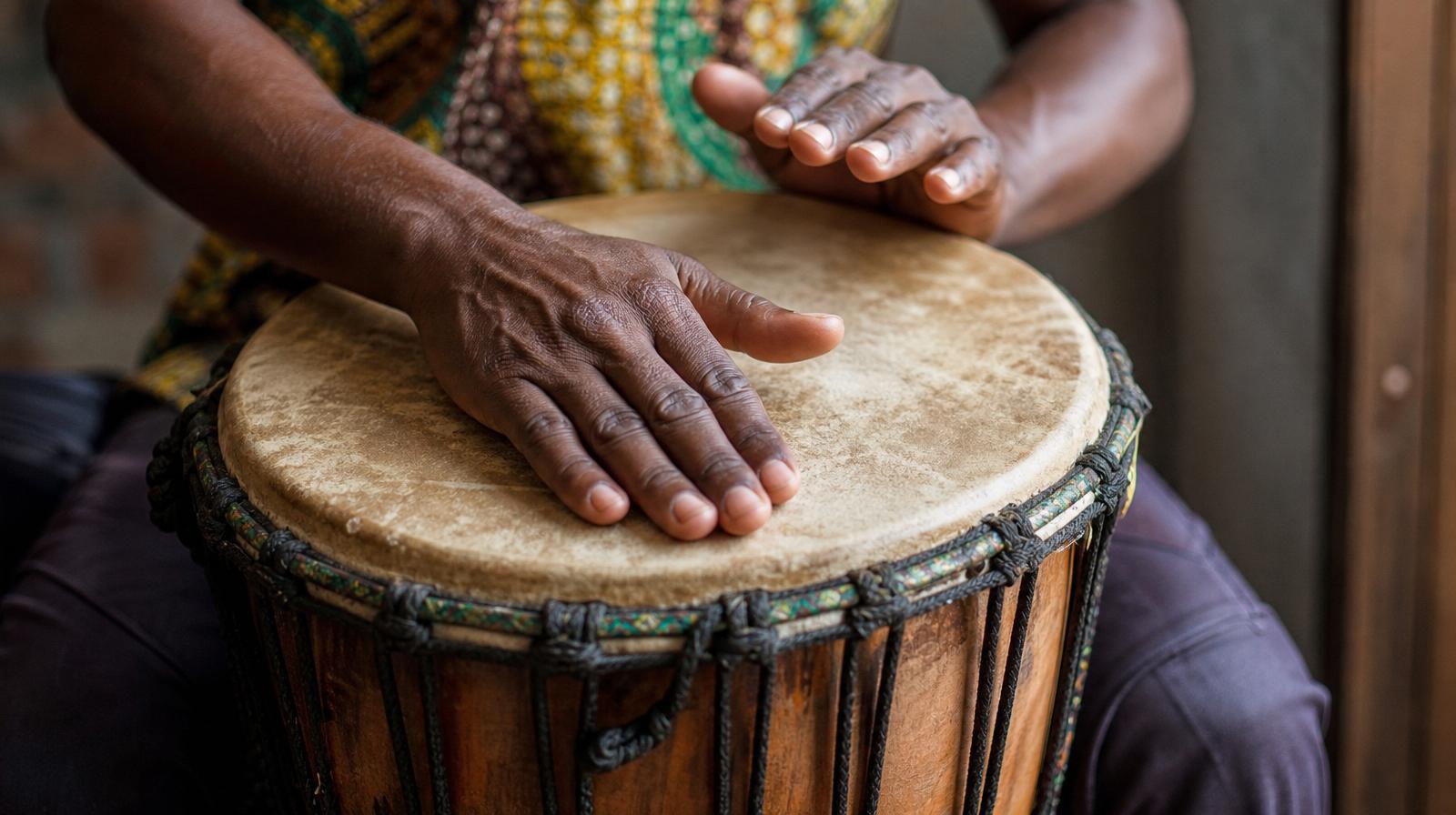
There is something primal and deeply moving about the sound of a djembe echoing across a beach or through a forest clearing under the light of a full moon. For centuries, humans have gathered during the peak of the lunar cycle to celebrate, communicate, and connect through rhythm. Today, the full moon drum circle has become a staple of the global drumming community, offering a space for seasoned percussionists and curious beginners alike to share in a collective heartbeat.
Whether you are looking to release stress, find your tribe, or simply experience the acoustic power of dozens of drums playing in unison, understanding the nuances of these nighttime gatherings will help you make the most of the experience.
The Significance of the Full Moon in Drumming
In many cultures, the full moon represents a time of high energy, completion, and reflection. In the context of a drum circle, this lunar phase often translates to a more spirited and high-energy session than a typical indoor workshop. The moonlight provides a natural spotlight, allowing participants to see one another's hand movements and facial expressions, which is crucial for non-verbal communication in a jam.
Historically, rhythm has been used to mark the passage of time and the changing of seasons. Today's full moon circles often blend these ancient traditions with modern community-building. It is a time when the "ego" of the individual drummer takes a backseat to the "we" of the circle, creating a meditative state often referred to as 'the zone' or 'entrainment.'
Essential Instruments for an Outdoor Circle
While any percussive instrument is welcome, certain drums thrive in the open-air environment of a nighttime gathering.
- Djembe: The most common drum found in circles. Its deep bass and sharp slaps carry well over long distances.
- Dunun (Dundun): These cylindrical bass drums, played with sticks, provide the melodic and rhythmic foundation (the 'heartbeat') of West African-style circles.
- Congas and Bongos: Excellent for adding Latin flair and intricate mid-range patterns.
- Frame Drums: Often used in more meditative or spiritual full moon gatherings, these drums offer a haunting, earthy tone.
- Doumbek: A goblet-shaped drum from the Middle East that provides crisp, metallic high notes that cut through the heavier bass of the larger drums.
- Percussion Toys: Never underestimate the power of a cowbell, shaker, or tambourine. These help keep the tempo steady for the drummers.
If you don't yet own an instrument, many organizers provide 'loaner' drums. You can also connect with drum teachers to learn which instrument best suits your physical style and musical interests.
Understanding Full Moon Drum Circle Etiquette
To ensure a harmonious experience for everyone, there are a few unwritten rules—often called circle etiquette—that help the music flow.
- Listen More Than You Play: When you first arrive, stand outside the circle for a moment. Listen to the established rhythm before jumping in. Try to find a pocket of sound where your drum fits without overpowering others.
- Support the Pulse: The 'heartbeat' is the steady beat that keeps everyone together. If the rhythm becomes chaotic, return to a simple four-beat pulse to help ground the group.
- Respect the Center: The center of the circle is often reserved for dancers or is treated as a sacred space. Avoid walking through the middle while the drumming is active.
- Ask Before Playing Someone’s Drum: Drummers are often very protective of their instrument's heads (the skin). Always ask before checking out someone else's gear.
- Volume Control: If a soloist begins a 'call-and-response' or a flute player joins in, lower your volume so the melodic elements can be heard.
The Flow of the Night: From Sunset to Peak
Most full moon drum circles begin just as the sun dips below the horizon. The initial hour is often a 'warm-up' period where people arrive, tune their instruments, and start with slow, grounding beats. As the moon rises higher, the tempo usually increases.
Many circles incorporate a moment of silence at the exact peak of the moon's ascent, followed by a thunderous 'rumble' (a rapid, non-rhythmic beating of the drums) to release built-up energy. These events are frequently family-friendly, though some may evolve into more intense dance-focused gatherings as the night progresses. If you are looking for a specific vibe, checking upcoming events can help you find a circle that matches your preferred energy level.
Health and Wellness Benefits of Group Drumming
Beyond the social aspect, participating in a full moon drum circle offers significant physical and mental health benefits. Scientific studies have shown that group drumming can:
- Reduce Stress: The rhythmic vibration helps lower cortisol levels and triggers the release of endorphins.
- Boost the Immune System: Rhythmic entrainment has been linked to increased activity in natural killer cells that fight viruses.
- Create Community: In an age of digital isolation, the physical presence of a rhythm community fosters a sense of belonging and safety.
- Mindfulness: Drumming requires you to be fully present in the moment, serving as a form of 'active meditation' that quiets the mind.
For those looking for a deeper dive into these benefits, many drumming retreats offer multi-day immersions that combine full moon ceremonies with wellness workshops.
How to Find a Full Moon Circle Near You
Because these events are tied to the lunar calendar, they don't always fall on a weekend. Finding them requires a bit of planning. Local parks, beaches, and community centers are the most common hosts. Many of these gatherings are grassroots and 'word-of-mouth,' but the most established ones are listed in professional directories.
If you are a beginner, look for circles described as "facilitated." A facilitator acts as a rhythmic conductor, helping the group stay in sync and ensuring that no one person dominates the sound. This is a great way to build confidence before joining a 'free-form' jam.
Find a drum circle near you and experience the power of the moon and the drum for yourself.
Frequently asked
- Do I need to be an experienced drummer to join a full moon drum circle?
- Not at all! Most full moon drum circles are open to all skill levels, including absolute beginners. The community is generally very welcoming, and you can contribute by playing a simple shaker or a steady heartbeat on a drum until you feel more comfortable with complex patterns.
- What should I bring to an outdoor drum circle?
- In addition to your drum or percussion instrument, bring a comfortable folding chair or a blanket to sit on. Since these events are outdoors at night, it’s wise to bring water, bug spray, and an extra layer of clothing as the temperature drops. If you are playing a djembe, a strap can be helpful if you prefer to stand and dance while playing.
- Are full moon drum circles religious events?
- While some circles have a spiritual or 'New Age' focus, the vast majority are secular community celebrations centered on music and connection. People from all walks of life and belief systems participate, united by the universal language of rhythm rather than a specific religious doctrine.
- How long do these gatherings usually last?
- Most circles begin around sunset and last for 2 to 4 hours. However, this varies by location and local noise ordinances. Some beach circles may go late into the night, while those in public parks often wrap up by 10:00 PM to respect the surrounding neighborhood.
Find a drum circle near you
Browse hundreds of circles, teachers and rhythm community gatherings.
Explore drum circles