Full Moon Drumming Event Guide: Rituals, Rhythm, and
Discover the magic of a full moon drumming event, from the spiritual significance of lunar rhythms to practical tips for joining your first circle.
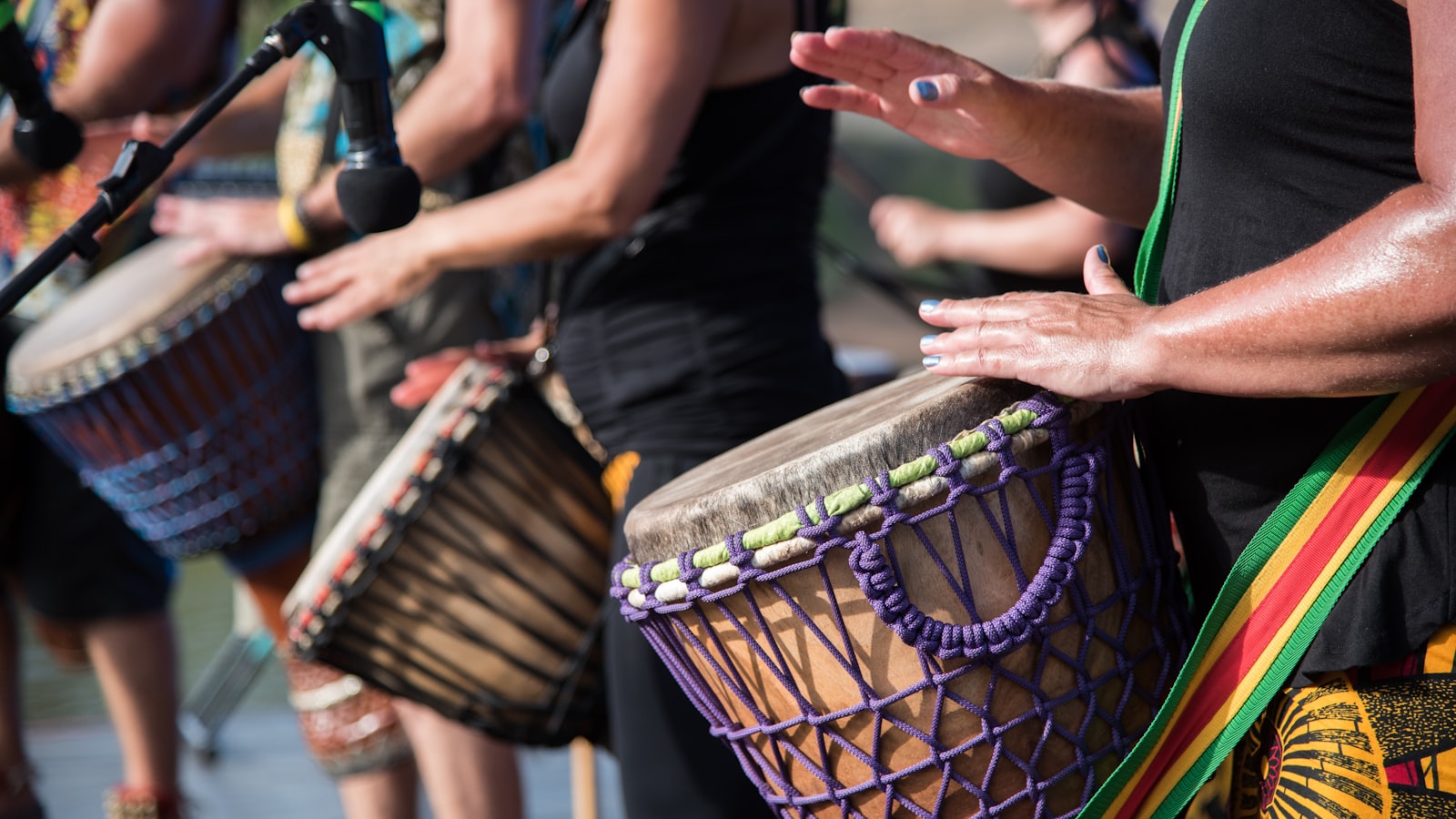
There is a primal connection between the pull of the moon and the pulse of a drum. For centuries, communities have gathered under the silver glow of the full moon to share rhythms, celebrate life, and find collective harmony. Today, the modern full moon drumming event has become a cornerstone of the global rhythm community, offering a space for both seasoned percussionists and curious beginners to connect with nature and each other.
Whether you are standing on a beach with a djembe or gathered in a forest clearing with a frame drum, these events transcend mere musical performance. They are transformative experiences rooted in intention and shared energy.
The Spiritual Significance of Lunar Rhythms
The full moon represents a peak of energy, a time of fruition, and a moment for release. In many cultures, the moon is associated with the feminine, the tides, and the subconscious. When we drum during this phase, we are aligning our internal biological rhythms with the external cycles of the earth.
Many participants find that a full moon drumming event provides a unique catharsis. The loud, resonant vibrations of instruments like the dunun or deep-tuned congas help to 'shake loose' stagnant energy, allowing for emotional expression that words often fail to capture.
What to Expect at Your First Full Moon Gathering
If you are new to the scene, walking into a circle of fifty people drumming around a bonfire can be intimidating, but you will quickly find that these spaces are incredibly welcoming. Most full moon circles are 'free-form,' meaning there is no sheet music or strict conductor. Instead, the rhythm evolves organically.
Typically, the event begins with a 'grounding' phase where a low, steady heartbeat rhythm is established. As the energy builds, the tempo may increase, incorporating complex call-and-response patterns. You might see dancers in the center of the circle, moving to the syncopated beats of doumbeks or tambourines.
Essential Instruments for Outdoor Drumming
While any percussive instrument is welcome, certain drums are staples of the outdoor full moon drumming event due to their volume and durability:
- Djembe: The most popular choice for its wide range of tones—from deep, earth-shaking basses to sharp, cracking slaps.
- Dunun (Doundoun): These large, double-headed drums provide the 'engine' or the melodic bassline of West African rhythms.
- Frame Drums: Lightweight and portable, these are perfect for more meditative, trance-like lunar rituals.
- Ashiko: A tapered wooden drum that offers a different tonal quality than the djembe, often favored for its warm mid-range.
- Percussion Toys: Never underestimate the power of a shaker, cowbell, or woodblock to add texture to the groove.
If you don't own an instrument yet, don't worry. Many facilitators provide extras, or you can find local drum teachers who can help you choose your first drum.
Etiquette for the Lunar Circle
To ensure the experience is positive for everyone, there are a few unwritten rules of the circle:
- Listen as much as you play: The best drummers are those who can hear the collective groove and find the 'holes' to fill, rather than playing over everyone else.
- Support the beat: If the rhythm becomes chaotic, return to a simple four-beat pulse to help ground the group.
- Respect the center: The middle of the circle is often reserved for dancers or a ceremonial fire. Avoid walking through it unless you are participating in the movement.
- Ask before playing someone else’s drum: Instruments are often deeply personal tools. Always seek permission before trying out a neighbor's gear.
Finding and Hosting Your Own Event
Many full moon events are held in public spaces like beaches, parks, or community centers. To find a gathering near you, checking a dedicated events calendar is the best way to stay informed about upcoming dates and locations.
If you are interested in hosting, consider the logistics of sound permits and lighting. Since these events happen at night, safety is paramount. Utilizing battery-operated tea lights or lanterns can create a beautiful ambiance without the risks associated with open flames in sensitive areas.
The Health and Wellness Benefits of Group Drumming
Beyond the social and spiritual aspects, participating in a full moon drumming event is scientifically proven to reduce stress. The repetitive nature of drumming induces a 'flow state,' lowering cortisol levels and boosting the immune system. The communal aspect also combats feelings of isolation, fostering a sense of belonging that is vital for mental well-being.
For those looking to dive deeper into the healing power of sound, attending drumming retreats can provide an immersive environment to study these effects under the guidance of expert facilitators.
Conclusion
A full moon drumming event is more than just a party; it is a rhythmic homecoming. It is a chance to put down our digital devices, pick up an ancient instrument, and vibrate in harmony with the natural world. Whether you are there to dance, to drum, or simply to soak in the atmosphere, the lunar circle has a place for you.
Find a drum circle near you.
Frequently asked
- Do I need to be an experienced drummer to attend a full moon event?
- Not at all. Most full moon drumming events are community-focused and beginner-friendly. The emphasis is on participation and connection rather than technical perfection, and many people attend just to listen or dance.
- What should I bring to a full moon drum circle?
- Bring your drum (if you have one), a comfortable chair or cushion, water, and layers of clothing as it can get chilly at night. Many people also bring small offerings like flowers or stones for a central altar if the event is ritual-focused.
- How long do these drumming events usually last?
- A typical event lasts between two to four hours. They often begin just as the moon rises and peak when it is highest in the sky, though some beach circles may continue late into the night depending on local ordinances.
Find a drum circle near you
Browse hundreds of circles, teachers and rhythm community gatherings.
Explore drum circles