
Why the Group Drumming Circle is the Ultimate Community Experience
Discover the transformative power of the group drumming circle, from ancient rhythmic traditions to modern wellness benefits and community connection.
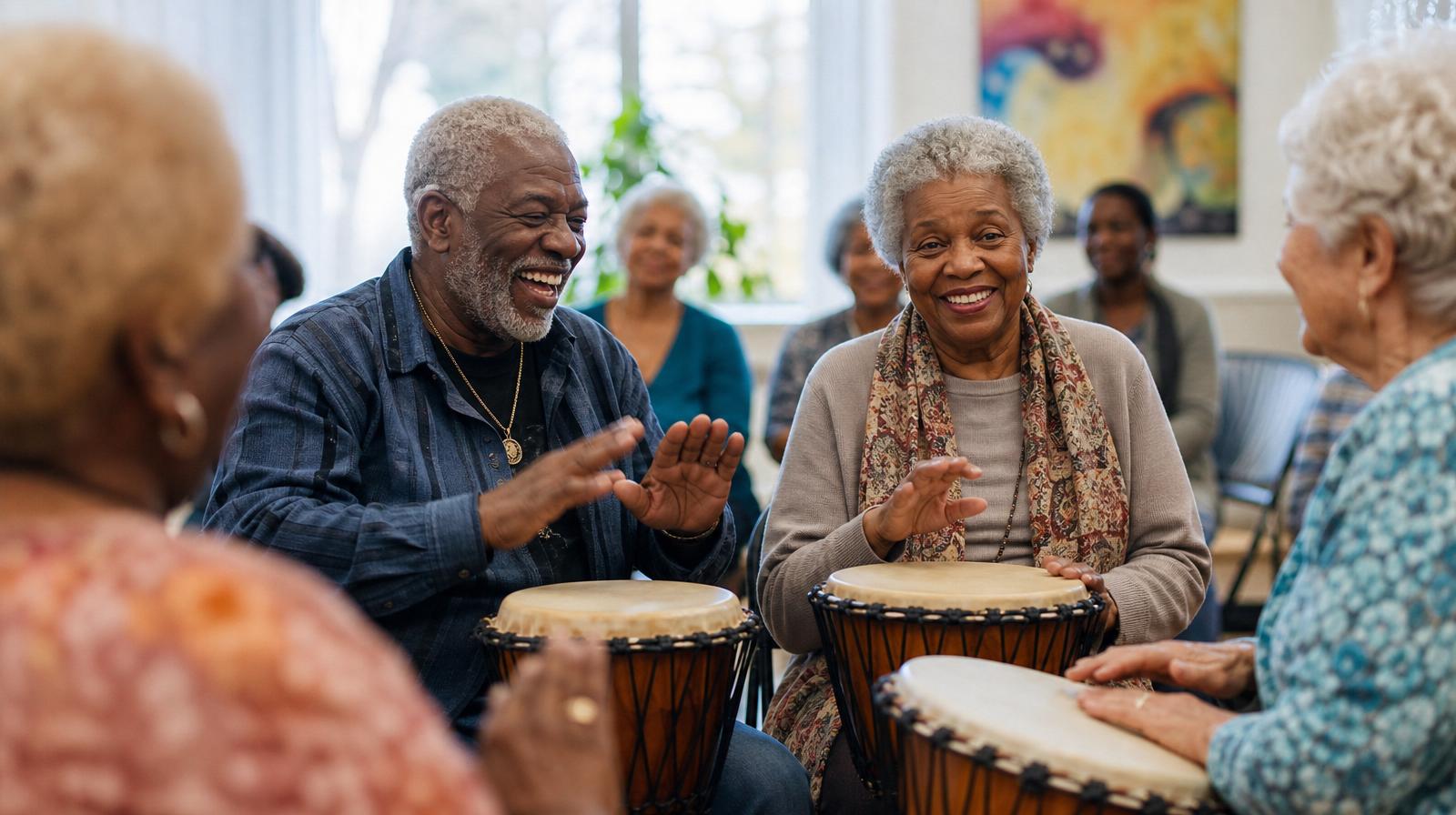
There is something primal and deeply restorative about the sound of a collective heartbeat. When you step into a group drumming circle, you aren't just joining a musical performance; you are entering a shared language that transcends words. Whether it is the resonant bass of a djembe or the sharp slap of a conga, the rhythm connects every person in the ring.
From beachside bonfires to structured wellness workshops in urban studios, the group drumming circle has become a global phenomenon. It offers a unique space where beginners and master drummers sit side-by-side, contributing to a symphony of percussion that is greater than the sum of its parts.
The Anatomy of a Modern Drum Circle
At its core, a drum circle is a group of people playing hand-percussion instruments in a circular formation. The circle is symbolic—it represents equality, inclusion, and the continuous flow of energy. Unlike a concert where there is a clear divide between performer and audience, everyone in a drum circle is a participant.
There are generally two types of circles you will encounter:
- Community/Improvisational Circles: Often informal and grassroots, these gatherings rely on the collective intuition of the group. Rhythms evolve organically, often starting with a simple pulse and building into complex layers.
- Facilitated Drum Circles: These are led by a trained facilitator who uses verbal and non-verbal cues to guide the group. Facilitators help manage the volume, encourage call-and-response patterns, and ensure that even those who have never touched a drum feel confident.
Essential Instruments of the Circle
While any percussive surface can work, certain instruments are staples in the group drumming circle world. Each brings a different voice to the conversation.
The Djembe
Perhaps the most popular drum in circles today, the West African djembe is known for its versatility. It can produce a deep, thundering bass, a clear tone, and a sharp, high-pitched slap. Its wide dynamic range makes it perfect for leading a rhythm or providing a steady backbone.
The Dunun (Dundun)
These are the bass drums of West Africa, played with sticks. In many traditional settings, the dunun (consisting of the kenkeni, sangban, and dundunba) provide the melodic and rhythmic foundation over which the djembes play.
Frame Drums and Doumbeks
For those who prefer a lighter touch, the frame drum (one of the world's oldest instruments) offers a meditative, earthy sound. The doumbek, a goblet-shaped drum from the Middle East, provides intricate, snappy rhythms that add a beautiful texture to the mix.
Hand Percussion
Never underestimate the power of the 'small' instruments. Shakers, shekeres, cowbells, and woodblocks are the glue that holds a circle together. They provide the high-frequency 'sub-division' that helps everyone stay on the beat.
The Science of Rhythm: Health and Wellness Benefits
Participating in a group drumming circle isn't just fun—it's scientifically proven to be good for you. Research has shown that group drumming can reduce cortisol levels, boost the immune system, and even increase the production of natural killer cells that fight viruses.
Beyond the physical, there is the 'rhythmic entrainment' factor. This occurs when our brainwaves and heart rates synchronize with the external beat. This state of flow reduces anxiety and creates a sense of 'unity consciousness' among participants. It is a powerful tool for stress management and emotional release.
If you are looking to deepen your practice for personal growth, many drumming retreats focus specifically on these therapeutic aspects of the drum.
Navigating Drum Circle Etiquette
If it’s your first time joining a circle, a few simple guidelines will help you navigate the space with grace. Remember, the goal is to contribute to the collective sound, not to dominate it.
- Listen More Than You Play: Before you start drumming, listen to the existing pulse. Find the 'one' (the downbeat) and try to lock in with the bass drums.
- Support the Groove: A circle thrives on a steady foundation. If everyone tries to play a solo at the same time, the music collapses. Find a simple pattern and hold it.
- Leave Space: Silence is a part of music. You don't have to play every single beat. Leaving 'holes' in your rhythm allows other instruments to be heard.
- Ask Before Borrowing: If someone has stepped away from their drum, don't just start playing it. Many drums are personal, handcrafted instruments. Always ask first.
- Follow the Facilitator: If there is a facilitator, keep an eye on them for 'stop' cues or volume adjustments. They are there to make the group sound its best.
Finding Your Rhythm Community
Getting started is often as simple as finding a local gathering. Many cities have weekly park jams, full-moon circles, or community center classes. If you are a beginner looking for a more structured environment, seeking out drum teachers can give you the foundational techniques (bass, tone, slap) that will make your circle experience much more rewarding.
For those who want to dive into the cultural roots of these rhythms, drum schools offer in-depth study of traditional patterns from Guinea, Mali, Cuba, or Brazil. Studying these traditions honors the ancestors of the instruments we play today.
The Evolution of the Circle
Today, the group drumming circle has expanded into corporate team building, school assemblies, and even hospital settings. It is a universal tool for communication. In a world that is increasingly digital and isolated, the circle brings us back to the physical reality of vibration and human connection.
Whether you are playing a plastic bucket or a professional-grade conga, your contribution matters. The circle is only complete when everyone finds their place in the rhythm.
Find a drum circle near you and join the beat.
Frequently asked
- Do I need to own a drum to join a group drumming circle?
- Not necessarily. Many facilitated circles and community jams provide extra instruments or 'loaner' drums for newcomers. However, it is always a good idea to check the event description beforehand or bring a small handheld percussion instrument like a shaker just in case.
- What is the difference between a drum circle and a drum class?
- A drum class focuses on learning specific techniques, traditional rhythms, and cultural context from an instructor. A group drumming circle is more about spontaneous creation, community connection, and improvisational play, though facilitated circles do offer some guidance.
- Are drum circles kid-friendly?
- Most community drum circles are very family-friendly and welcome children of all ages. Drumming is a fantastic way for kids to develop motor skills and social cooperation. Just be sure to bring ear protection for very young children as the volume can get quite loud.
Find a drum circle near you
Browse hundreds of circles, teachers and rhythm community gatherings.
Explore drum circles