
Hosting or Attending a Group Drumming Event: The Complete
Discover the transformative power of rhythm, from health benefits to community building, in our ultimate guide to the group drumming event experience.
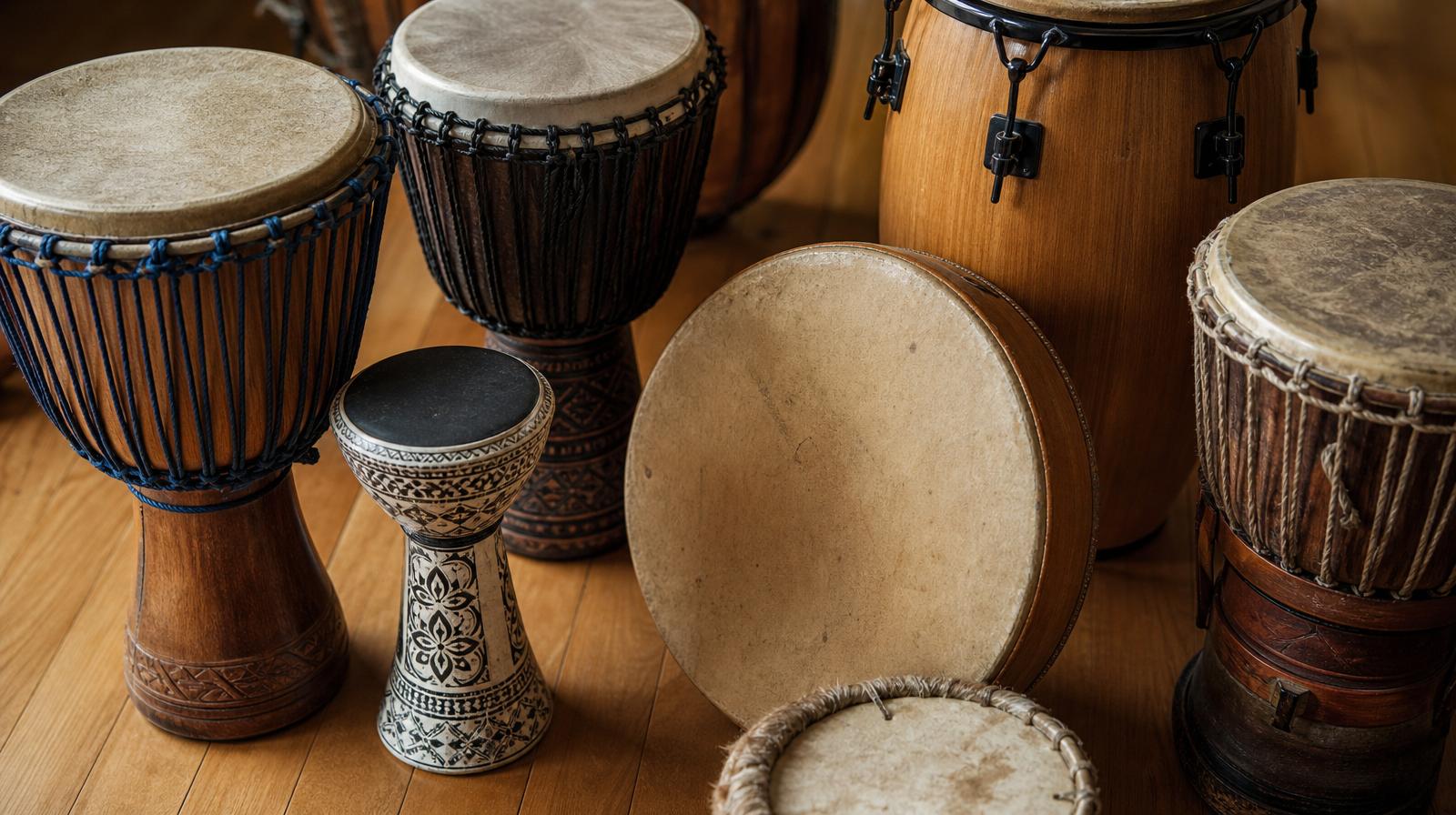
There is something primal and profoundly moving about the sound of dozens of drums beating in unison. Whether it is the sharp slap of a djembe, the deep resonance of a dunun, or the earthy pulse of a frame drum, a group drumming event is more than just a musical performance—it is a shared human experience that transcends language and culture.
In today’s fast-paced digital world, these gatherings offer a rare opportunity to disconnect from screens and reconnect with our own internal rhythms. From community parks and full-moon beach gatherings to corporate wellness retreats and therapeutic clinical settings, the group drumming event has become a staple of modern community building.
What Exactly is a Group Drumming Event?
At its core, a group drumming event is a gathering where people of all skill levels come together to play hand drums and percussion instruments. Unlike a traditional concert where there is a clear divide between performer and audience, a drum circle or rhythm event invites everyone to participate.
There are generally two types of events you will encounter:
- The Community Drum Circle: Often informal and improvisational. These are frequently held in public spaces where anyone can walk up with a shaker or a drum and join in the flow.
- The Facilitated Rhythm Event: Led by a professional drum circle facilitator. The facilitator uses various signals and games to help the group find a cohesive sound, ensuring that even absolute beginners feel successful from the first beat.
The Instruments of the Circle
When you walk into a group drumming event, you will see a beautiful array of instruments from around the globe. Understanding what they are can help you find your voice within the groove.
- Djembe: The most popular drum in modern circles. This goblet-shaped drum from West Africa offers three distinct sounds: the deep bass, the mid-range tone, and the high-pitched slap.
- Congas and Bongos: Afro-Cuban staples that provide a melodic, driving energy to the rhythm.
- Doumbek: A goblet drum from the Middle East, known for its crisp, metallic snaps and deep doums.
- Dunun: The heartbeat of West African ensembles. These large cylindrical drums are played with sticks and often provide the foundational "hook" of the rhythm.
- Frame Drums: One of the world's oldest instruments, these are held in one hand or on the lap and played with the fingers, offering a more meditative quality.
- Auxiliary Percussion: Shakers, cowbells, woodblocks, and tambourines are the "salt and pepper" of the circle, adding texture and brightness to the mix.
Health and Wellness Benefits of Group Drumming
Beyond the joy of making music, participating in a group drumming event has documented physiological and psychological benefits. It is a holistic workout for the mind and body.
- Stress Reduction: Drumming releases endorphins and can significantly lower cortisol levels. The repetitive nature of the rhythm induces a meditative state similar to deep mindfulness.
- Immune System Boost: Studies have shown that group drumming increases the activity of "natural killer cells" which help the body fight off viruses and tumors.
- Social Connection: Rhythm is a universal language. Drumming together breaks down social barriers and creates a sense of belonging and "entrainment"—where the heart rates and brain waves of participants actually begin to synchronize.
- Cognitive Function: Learning patterns and engaging in call-and-response exercises keeps the brain sharp, improving focus and coordination.
Essential Etiquette for First-Timers
If you are attending your first group drumming event, you might feel a bit nervous. Don't worry—the drumming community is incredibly welcoming. Following these simple etiquette tips will help you fit right in:
- Listen as much as you play: The best drummers are the best listeners. Try to find the "heartbeat" of the group and support it before trying to play complex solos.
- Respect the instruments: Never play someone else's drum without asking. Many drums are handmade and hold deep personal or spiritual significance to their owners.
- Ask before you join: If a circle is already in progress, wait for a natural lull or make eye contact with the facilitator before stepping in.
- Support the bass: The deep drums provide the foundation. If you aren't sure what to play, simply pulse along with the lowest-sounding drums in the room.
- Leave your ego at the door: A group drumming event is about the collective sound, not individual virtuosity. It’s about the "we," not the "me."
How to Organize Your Own Rhythm Event
Interested in bringing the beat to your local community? Organizing a group drumming event requires a bit of planning but is immensely rewarding. Start by defining your goal: Is this a family-friendly neighborhood jam, a meditative full-moon gathering, or a structured educational workshop?
First, secure a location with good acoustics and permission for noise. Parks are great, but always check local permit laws. Second, consider hiring a professional. If you want a structured experience, browse our list of drum-teachers who often double as expert facilitators. They can provide the instruments and the leadership needed to make the event a success.
Lastly, spread the word. Use social media, local community boards, and the events section of the Drum Circle Directory to reach enthusiasts in your area.
Finding Your Rhythm Community
Whether you are a seasoned pro or have never touched a drum in your life, there is a seat waiting for you in the circle. Group drumming is a journey of self-discovery and communal harmony. It is a place where you can be loud, be present, and be part of something larger than yourself.
If you are looking to deepen your skills before heading to a big event, check out some local drum-schools to learn the traditional techniques of the djembe or conga. For those looking for a deeper immersion, drumming-retreats offer multi-day experiences that combine rhythm with nature and wellness.
Find a drum circle near you and start your rhythmic journey today at /drum-circles.
Frequently asked
- Do I need to bring my own drum to a group drumming event?
- Not necessarily. Many facilitated events and community circles provide extra percussion or have 'loaner' drums available. However, if you have your own djembe or shaker, it is always a good idea to bring it along just in case.
- Can children participate in drum circles?
- Yes! Most community group drumming events are family-friendly and multi-generational. Drumming is a fantastic way for children to develop motor skills and social cooperation in a fun, low-pressure environment.
- I have no musical rhythm; can I still join?
- Absolutely. One of the beautiful things about a group drumming event is that the collective rhythm carries the individual. A facilitator can help you find a simple part that fits perfectly, and you'll find your natural rhythm emerges quickly once you stop overthinking it.
Find a drum circle near you
Browse hundreds of circles, teachers and rhythm community gatherings.
Explore drum circles