Group Drumming Facilitator Training: Guide to Leading Rhythm
Discover how to transform lives through rhythm with our comprehensive guide to professional group drumming facilitator training and certification.
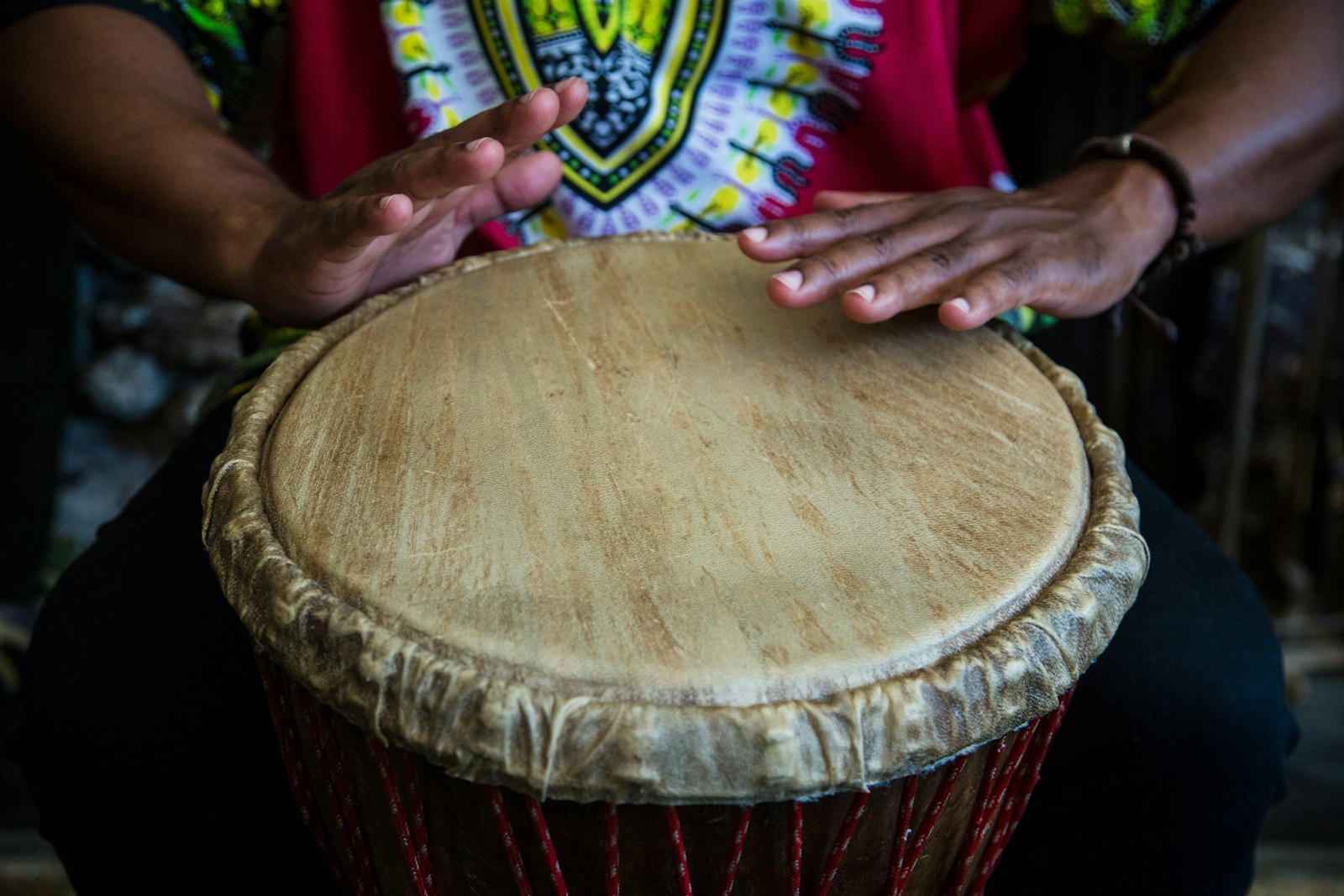
There is a profound magic that happens when a group of strangers sits in a circle, picks up a djembe or a frame drum, and begins to pulse together. But that magic rarely happens by accident. Behind every transformative rhythmic experience is a skilled leader. If you have felt the call to move from the periphery of the circle to the center, group drumming facilitator training is your next step.
Facilitating is distinct from performing. While a master drummer focuses on technical excellence, a facilitator focuses on the collective heartbeat of the room. This guide explores the pathways, skills, and philosophies involved in becoming a professional rhythm leader.
Understanding the Role of a Drum Circle Facilitator
A drum circle facilitator is a guide who makes rhythm accessible to everyone, regardless of musical background. Your goal is to create a safe, non-judgmental space where participants can express themselves. Unlike a traditional conductor, you aren't just keeping time; you are managing energy, encouraging collaboration, and helping a group of individuals evolve into a cohesive ensemble.
Professional training teaches you how to read the room. You learn when to use a "cut-off" signal to bring a chaotic beat to a sudden, thrilling halt, and when to step back and let the group find its own groove. Whether you are working with corporate teams, seniors in memory care, or children at a summer camp, the core principles of facilitation remain the same: empowerment through rhythm.
Core Skills Covered in Facilitator Training
When you enroll in a reputable training program, you aren't just learning how to play the drum. You are learning a specialized language of gestures and psychology. Key components usually include:
- Rhythm Starters and Transitions: Techniques to get a circle moving from silence to a steady beat without long verbal instructions.
- Sculpting the Sound: Using hand signals to bring out specific sections, such as asking the djembe players to lower their volume so the woodblock or shaker can be heard.
- Instrument Knowledge: Understanding the ergonomics and sounds of various instruments, from the deep bass of the dunun to the sharp slap of the doumbek.
- Group Dynamics: Learning how to handle "rhythm hogs" (individuals who play too loud or off-beat) with grace and inclusivity.
- Call-and-Response: Mastering the art of rhythmic dialogue to build engagement and listening skills.
Choosing the Right Training Path
Not all group drumming facilitator training is created equal. Some programs focus on the "Village Music Circles" philosophy pioneered by Arthur Hull, which emphasizes community and play. Others might focus on clinical applications, such as HealthRHYTHMS, which is designed for healthcare professionals and therapists using drumming as a tool for wellness.
Before choosing a program, ask yourself what your end goal is:
- Community Building: Focus on programs that teach open, family-friendly circle techniques.
- Therapeutic Settings: Look for training that includes neurological and physiological components of rhythm.
- Corporate Team Building: Seek out facilitators who specialize in metaphors for leadership and communication.
Many aspiring leaders find it helpful to connect with drum teachers who offer mentorship in specific hand-drumming techniques before diving into full facilitation certification.
The Business of Rhythm: Making it a Career
Facilitating is a rewarding career, but it requires more than just a passion for the beat. Professional training often includes modules on the business side of the industry. This includes how to market your services to schools and hospitals, how to manage an instrument inventory (often called a "drum truck"), and how to price your workshops.
Networking is vital. Attending drumming retreats is an excellent way to meet established facilitators and learn the nuances of the trade in an immersive environment. Many facilitators start by volunteering at local community centers to build their portfolio before moving into paid corporate or educational contracts.
Essential Equipment for New Facilitators
To lead a successful circle, you need a diverse "menu" of sounds. Training will teach you how to curate your kit. A standard starter kit for a facilitator often includes:
- Nesting Djembes: These are easier to transport and store.
- Frame Drums: Excellent for meditative or gentle circles.
- Small Percussion: Shakers, cowbells, and tambourines allow those who are intimidated by a large drum to still participate.
- Floor Toms: Great for kids or those with limited mobility.
Learning how to maintain these instruments is just as important as playing them. You'll need to know how to tune a drum and how to sanitize equipment between sessions, especially in healthcare settings.
Finding Your Rhythm Community
The journey of a facilitator is one of lifelong learning. Even after your initial training, you should continue to attend events to see other styles in action. Every circle you attend—whether you are leading it or sitting in as a participant—is a chance to observe how rhythm affects the human spirit.
Remember, your job is to serve the circle. The best facilitators are those who can disappear into the music, leaving the participants with the feeling that they created the magic themselves.
Find a drum circle near you and start observing the art of facilitation in action today.
Frequently asked
- Do I need to be a professional drummer to take facilitator training?
- No, you do not need to be a virtuoso. While a basic sense of rhythm is necessary, facilitation training focuses more on leadership, communication, and group dynamics than high-level technical performance.
- How long does it take to get certified as a drum circle facilitator?
- Certification lengths vary. Some intensive weekend workshops provide a foundation, while comprehensive professional tracks can take several months of study and supervised practice to complete.
- What is the difference between a drum teacher and a facilitator?
- A drum teacher focuses on teaching specific techniques, rhythms, and cultural history. A facilitator focuses on the group's experience, using rhythm as a tool for connection, wellness, or team building rather than technical mastery.
Find a drum circle near you
Browse hundreds of circles, teachers and rhythm community gatherings.
Explore drum circles