
Group Percussion: The Ultimate Guide to Community Rhythm
Discover the transformative power of group percussion, from ancient traditions to modern drum circles that build community and wellness.
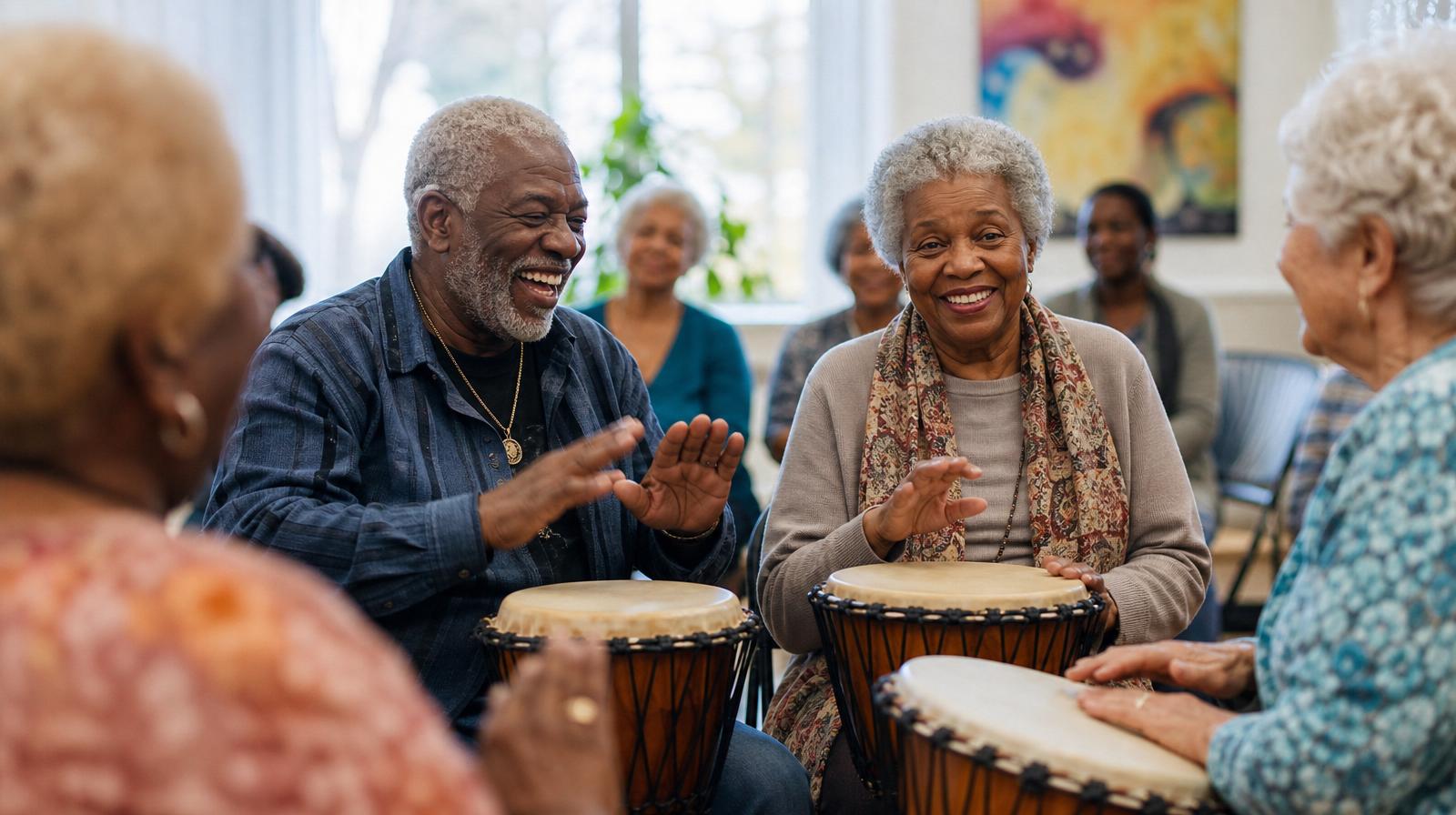
There is something primal and deeply moving about the sound of a collective beat. Group percussion is not just a musical performance; it is a shared human experience that transcends language, culture, and age. Whether it is the thunderous roar of a Japanese Taiko ensemble or the gentle, meditative pulse of a community drum circle in a local park, playing rhythm with others connects us in a way few other activities can.
At its heart, group percussion is about the "we" rather than the "me." It is an invitation to step out of isolation and into a synchronized flow. In this guide, we will explore the different styles of collective drumming, the instruments that define the sound, and how you can get started on your own rhythmic journey.
The Roots of Collective Rhythm
Group percussion has been a cornerstone of human society for millennia. Traditionally, drums were used for communication, celebration, and spiritual rituals. In West Africa, the djembe and dunun were played to mark harvests, weddings, and rites of passage. In the Middle East, the doumbek (or darbuka) provided the intricate heartbeat for social gatherings.
Today, these traditions have evolved into modern formats like the facilitated drum circle. Unlike a formal orchestra, these circles are often improvisational and inclusive, allowing people of all skill levels to contribute to a larger sonic tapestry. The focus shifts from perfection to connection, making it one of the most accessible forms of music-making available today.
Essential Instruments for Group Percussion
If you are attending your first gathering, you might wonder what to bring. While many organizers provide instruments, knowing the basics helps you find your voice within the group.
- Djembe: The most popular drum for community circles. Its goblet shape allows for deep bass notes in the center and sharp, cracking "slaps" on the rim.
- Congas and Bongos: These Afro-Cuban staples provide a warm, melodic quality that fits perfectly in Latin-inspired jams.
- Frame Drums: Often associated with meditative or shamanic drumming, these are lightweight and played with the fingers or a soft mallet.
- Doumbek: A goblet drum with a metallic or ceramic body, known for its rapid-fire "teks" and deep "doums."
- Auxiliary Percussion: Shakers, bells, woodblocks, and tambourines are the "seasoning" of the rhythm. They fill the gaps and keep the tempo steady for the larger drums.
The Benefits of Drumming Together
Beyond the joy of music, group percussion offers significant health and wellness benefits. Scientific studies have shown that group drumming can reduce stress, lower blood pressure, and even boost the immune system by increasing the activity of natural killer cells.
Psychologically, the act of entrainment—where your internal rhythms synchronize with others—creates a sense of belonging and reduces feelings of isolation. For many, a weekly drum circle is a form of active meditation, providing a break from the digital noise of modern life. If you are looking to deepen your practice, exploring drumming retreats can be a powerful way to combine travel with these wellness benefits.
Understanding Drum Circle Etiquette
To ensure everyone has a positive experience, a few unwritten rules govern most group percussion settings:
- Listen as Much as You Play: The best drummers are those who leave space for others. If you can't hear the person next to you, you might be playing too loud.
- Support the Pulse: Every circle has a heartbeat. Find the basic beat and lock into it before trying complex solos.
- Respect the Instruments: Never play someone else's drum without asking. Hand-carved djembes and professional-grade congas are often prized personal possessions.
- Follow the Facilitator: In a facilitated circle, a leader may use hand signals to change the volume, tempo, or stop the music entirely. Pay attention to these cues to keep the energy cohesive.
Finding Your Place in the Community
Whether you are a seasoned pro or have never touched a drum, there is a place for you in the world of group percussion. Many beginners find their footing by taking lessons from drum teachers who specialize in hand percussion. These instructors can teach you proper technique to prevent hand fatigue and help you understand the cultural context of the rhythms you are playing.
If you prefer a more structured environment, drum schools offer courses in specific traditions like Afro-Brazilian Samba or West African polyrhythms. These environments provide a solid foundation for those who want to move beyond simple improvisation and into more technical ensemble playing.
The Global Rhythm Movement
From full-moon gatherings on the beach to corporate team-building events in the boardroom, group percussion is popping up everywhere. It has become a tool for social change, used in hospitals, schools, and community centers to bridge divides and foster empathy. The "rhythm church" is a global phenomenon, and the door is always open.
Ready to find your beat? Check out upcoming events in your area to see where the next jam is happening.
Find a drum circle near you and start your rhythmic journey today.
Frequently asked
- Do I need to own a drum to join a group percussion circle?
- Not necessarily! Many community drum circles are 'come as you are' and provide extra instruments like shakers or djembes for newcomers. However, it is always a good idea to check the event description or contact the facilitator beforehand to see if loaner drums are available.
- Is group percussion suitable for children?
- Absolutely. Most community drum circles are family-friendly and encourage participants of all ages. Drumming is a fantastic way for children to develop coordination, listening skills, and a sense of community in a low-pressure, fun environment.
- How is a drum circle different from a percussion ensemble?
- A percussion ensemble usually performs rehearsed, sheet-music-based compositions under a conductor. In contrast, a drum circle is generally more improvisational and focused on community participation and 'in-the-moment' creation rather than a polished performance for an audience.
Find a drum circle near you
Browse hundreds of circles, teachers and rhythm community gatherings.
Explore drum circles