Group Rhythm Activities: A Guide to Building Community and
Discover the transformative power of group rhythm activities, from traditional drum circles to therapeutic workshops that unite people through the universal language of the beat.
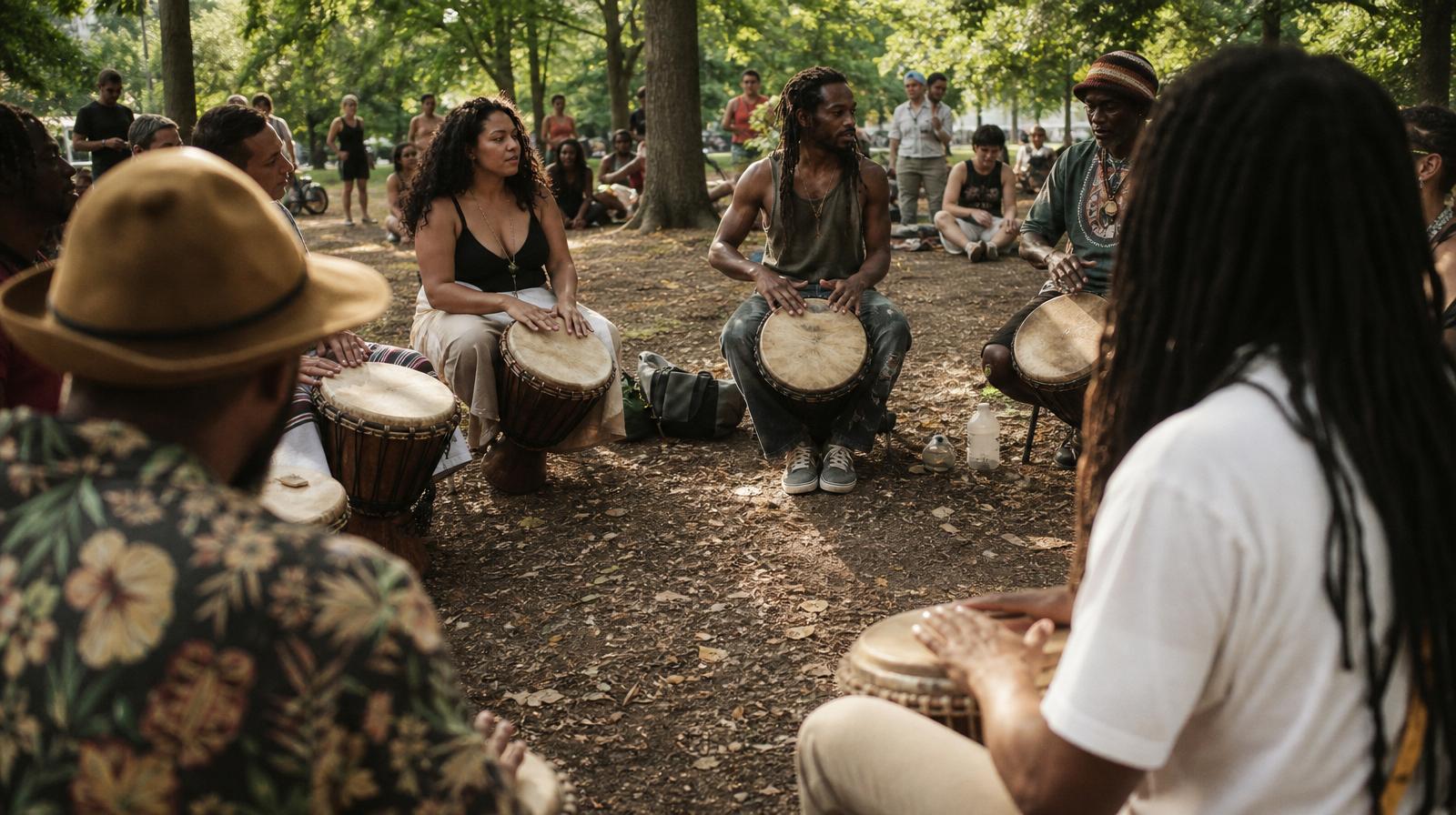
There is something primal and deeply moving about the sound of a collective beat. Whether it is the thunderous roar of a hundred djembes or the gentle pulse of frame drums under a full moon, group rhythm activities have the unique power to bridge social gaps, reduce stress, and foster a profound sense of belonging.
In our modern, digital-heavy world, these gatherings offer a rare chance to disconnect from screens and reconnect with our own internal metronomes and the people around us. This guide explores the diverse landscape of rhythm-based experiences, from casual community jams to structured therapeutic sessions.
The Evolution of the Modern Drum Circle
While communal drumming has existed for millennia in indigenous cultures across Africa, the Middle East, and the Americas, the modern drum circle has evolved into a global phenomenon. Today, group rhythm activities happen in city parks, corporate boardrooms, and wellness retreats.
Unlike an orchestral performance where there is a clear divide between stage and audience, a drum circle is participatory. Everyone is part of the music. Whether you are holding a set of dunun drums or a small shaker, your contribution matters to the overall groove.
Popular Instruments for Group Rhythm Activities
If you are attending your first session, you might wonder what instruments to expect. Most circles are eclectic, blending various traditions into a cohesive sound:
- Djembe: The most common drum in circles, known for its wide range of tones—from deep bass to sharp slaps.
- Congas and Bongos: Afro-Cuban staples that provide a steady, melodic heartbeat to the rhythm.
- Doumbek: A goblet-shaped drum from the Middle East that offers intricate, crisp sounds.
- Frame Drums: Ancient instruments like the tar or bodhrán that are played with the hands or a mallet.
- Auxiliary Percussion: Cowbells, woodblocks, shakers, and tambourines that add texture and complexity.
Types of Group Rhythm Experiences
Not all rhythm activities are the same. Depending on your goals—be it relaxation, team building, or musical mastery—you might seek out different formats.
Community Drum Circles
These are often free or low-cost gatherings held in public spaces. They are usually "free-form," meaning there is no specific teacher, though an experienced drummer might hold the "pulse" to keep everyone together. They are perfect for families and beginners looking to explore the feel of a local drum circle.
Facilitated Rhythm Workshops
In a facilitated session, a professional rhythm leader guides the group. They use specific techniques to help non-musicians find their rhythm, often incorporating call-and-response games and dynamic shifts (loud to soft, fast to slow). This is a popular choice for schools and corporate wellness programs.
Therapeutic Drumming
Health and wellness circles focus on the healing aspects of vibration. Research has shown that rhythmic drumming can increase white blood cell counts, lower cortisol levels, and help individuals process trauma. These sessions are often led by board-certified music therapists.
Essential Etiquette for Group Drumming
To ensure everyone has a positive experience, there are a few unwritten rules to follow when participating in group rhythm activities:
- Listen as much as you play: The goal is to create a collective sound, not to solo over everyone else.
- Support the beat: If you are a beginner, stick to a simple, steady pulse. This provides the foundation for more experienced players to add flair.
- Ask before you play: If someone has brought their own high-end instrument, always ask for permission before trying it out.
- Follow the facilitator: If someone is leading the group, keep your eyes on them for signals to stop, start, or change volume.
Games and Activities for Small Groups
If you are organizing a small gathering or a classroom session, these simple activities can break the ice:
- The Name Game: Each person says their name while playing the rhythm of the syllables on their drum. The group then repeats it back in a call-and-response format.
- Pass the Pulse: One person starts a steady beat. They "pass" it to the person on their right, who adds a small variation before passing it along.
- Rhythm Telephone: A player taps a short rhythm on the shoulder of the person in front of them, who then tries to replicate it on their drum for the group.
Finding Your Rhythm Community
Ready to jump in? Finding a group is easier than ever. Many people start by looking for drum teachers who offer group classes, as this provides a structured way to learn technique while enjoying the social aspect of drumming. For those who want a deeper dive, drumming retreats offer immersive multi-day experiences in beautiful locations.
If you prefer a more formal education, exploring drum schools can connect you with long-term programs that cover the history and culture of specific drumming traditions. No matter where you start, the key is to simply show up and let the rhythm take over.
Find a drum circle near you and start your rhythmic journey today.
Frequently asked
- Do I need to own a drum to join group rhythm activities?
- Not necessarily. Many community circles and facilitated workshops provide extra instruments like djembes, shakers, and bells for newcomers. However, it is always a good idea to check the event description or contact the organizer beforehand to see if 'loaner' drums are available.
- Are group rhythm activities suitable for children?
- Absolutely. Most community drum circles are family-friendly and encourage participation from all ages. Drumming helps children develop motor skills, listening abilities, and social cooperation in a fun, low-pressure environment.
- What if I have no musical experience or 'no rhythm'?
- Group rhythm activities are designed to be inclusive. You don't need to be a musician to participate. The collective beat of the group naturally helps individuals find their timing, and facilitators are skilled at making everyone feel successful regardless of their skill level.
Find a drum circle near you
Browse hundreds of circles, teachers and rhythm community gatherings.
Explore drum circles