
Gulf Coast Drum Circle Guide: Rhythm on the White Sand
Experience the magic of rhythm by the sea with our complete guide to Gulf Coast drum circles, from Florida's panhandle to the Texas shores.
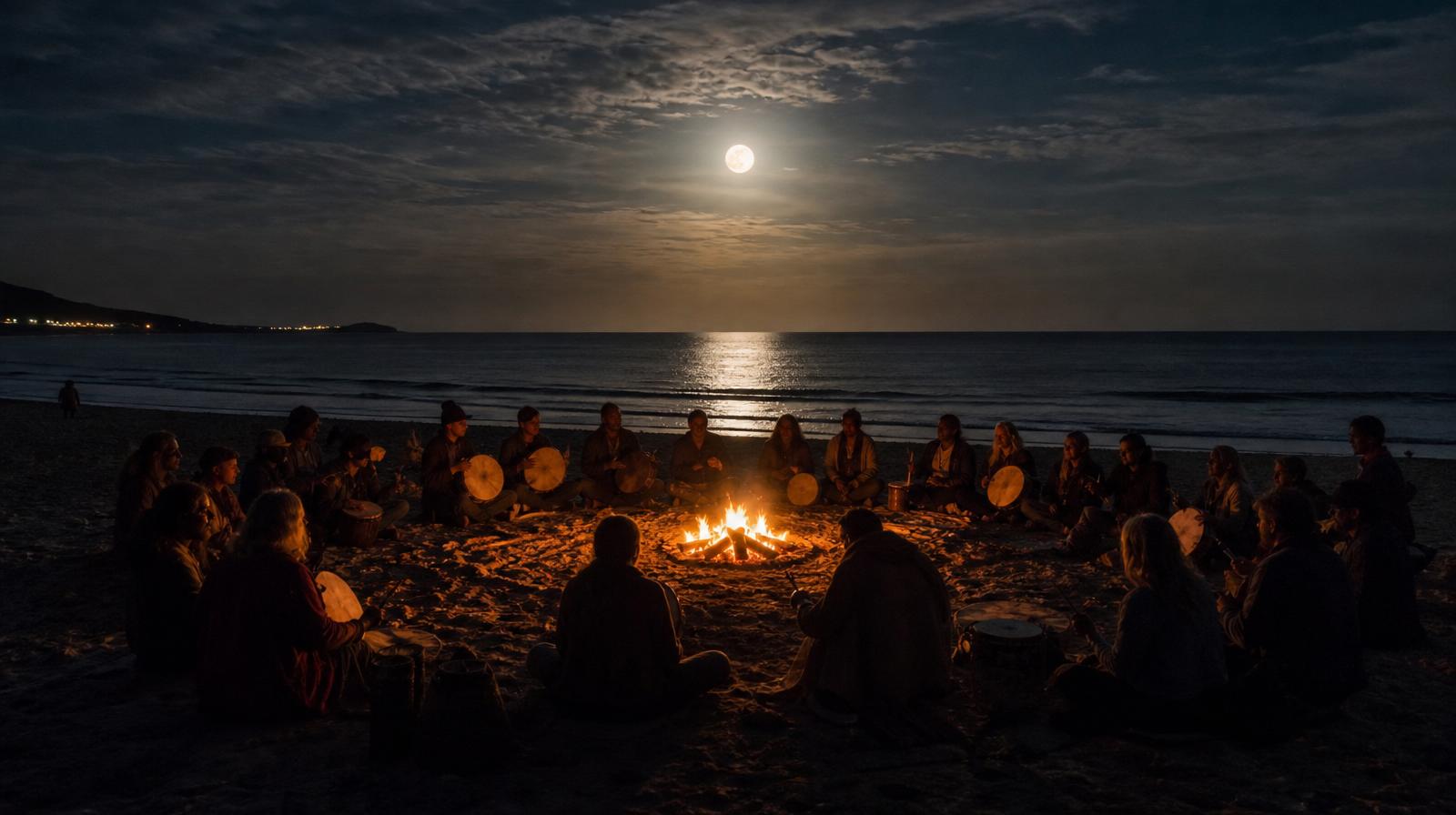
There is a unique magic that happens when the rhythmic pulse of a djembe meets the rhythmic pulse of the tide. Along the Gulf Coast—stretching from the emerald waters of the Florida Panhandle through the coastal reaches of Alabama, Mississippi, Louisiana, and the expansive Texas shoreline—the drum circle is more than just a musical gathering. It is a sunset ritual, a community heartbeat, and a welcoming space for anyone who feels the call of the rhythm.
Whether you are a seasoned percussionist with a professional set of congas or a curious traveler hoping to tap along on a frame drum, the Gulf Coast drum circle scene offers a tapestry of opportunities to connect. The warm air, the soft sand, and the open horizon provide the perfect backdrop for spontaneous musical expression.
The Spirit of Gulf Coast Drumming
What sets a Gulf Coast drum circle apart from an indoor studio session is the element of nature. Most gatherings in this region are tied to the sun's cycle. As the heat of the day fades and the sky turns a brilliant shade of orange and pink, drummers begin to congregate.
These circles are often characterized by their inclusivity. You’ll find families with toddlers playing shakers, retirees keeping time on woodblocks, and master drummers leading intricate polyrhythms on dununs. The atmosphere is laid-back, reflecting the 'coastal time' mentality where the focus is on connection rather than perfection. Many participants also find these gatherings to be a form of moving meditation, using the repetitive beats to wash away the stresses of the work week.
Popular Hubs for Rhythm Enthusiasts
The Gulf Coast is dotted with 'rhythm hotspots' where the community consistently gathers.
- Siesta Key, Florida: Perhaps the most famous in the region, the Siesta Key drum circle occurs every Sunday about an hour before sunset. It attracts hundreds of participants and spectators, creating a carnival-like atmosphere of dance and percussion.
- Pensacola and Destin: The Florida Panhandle boasts several grassroots circles that meet on the sugar-white sands, often organized through local social media groups or community centers.
- Gulf Shores, Alabama: A growing scene of facilitators leads circles that emphasize wellness and family-friendly participation.
- Galveston, Texas: On the western end of the Gulf, the rhythm community often gathers for full-moon circles, blending traditional hand drumming with fire dancing and flow arts.
If you are traveling through these areas, checking the local events calendar is the best way to ensure you don't miss a beat.
Essential Instruments for the Beach
When attending a Gulf Coast drum circle, your choice of instrument can be influenced by the environment. Sand and salt air are factors to consider when bringing your gear.
- The Djembe: The most popular choice for its versatility. A synthetic-head djembe is often preferred for beach play as it is less sensitive to humidity changes than traditional goat skin.
- Doumbek: This goblet-shaped drum offers crisp high notes that cut through the sound of the crashing waves.
- Congas and Bongos: These provide a deep, melodic foundation for the circle, though they can be heavy to carry across long stretches of sand.
- Frame Drums: Lightweight and portable, these are perfect for those who want to participate without hauling large equipment.
- Auxiliary Percussion: Never underestimate the power of a cowbell, shekere, or a simple pair of maracas to fill in the rhythmic gaps.
For those looking to improve their technique before hitting the sand, connecting with drum teachers can help you learn the basic strokes—bass, tone, and slap—that allow you to contribute meaningfully to the group dynamic.
Beach Drumming Etiquette: Respecting the Circle
To keep the rhythm flowing and the community welcoming, there are a few unwritten rules of the Gulf Coast drum circle:
- Listen First: Before you start playing, take a moment to listen to the established groove. Try to find a 'pocket' where your sound complements what is already happening.
- Support the Pulse: The heartbeat of the circle is the most important part. If the rhythm becomes chaotic, return to a simple, steady beat to help ground the group.
- Ask Before You Play Someone's Drum: Many drummers are happy to share, but always ask permission before touching an instrument that isn't yours.
- Mind the Volume: While it’s tempting to play as loud as possible, the best circles are those where everyone can hear each other. If you can't hear the person across from you, you might be playing too loud.
- Leave No Trace: The Gulf Coast beaches are beautiful and fragile. Ensure you pack out everything you bring in, including trash and equipment.
Finding Your Rhythm Community
If you are new to the area or just visiting, finding a local group can seem daunting. However, the drumming community is notoriously welcoming. Many local drum schools host 'community nights' which serve as a bridge between structured learning and the free-form nature of a beach circle.
Beyond the weekly beach meets, look for drumming retreats held along the coast. These multi-day events often feature workshops with master drummers, yoga sessions, and late-night fire circles, allowing for a deeper immersion into the rhythmic lifestyle.
The Health and Wellness Benefits
Beyond the fun and music, participating in a Gulf Coast drum circle offers significant health benefits. Scientific studies have shown that group drumming can reduce stress, boost the immune system, and create a sense of belonging. The combination of rhythmic entrainment and the negative ions found near the ocean creates a powerful 'recharge' for the mind and body. It is a space where the ego takes a backseat to the collective sound, providing a rare opportunity for pure, uninhibited expression.
Find a drum circle near you by visiting Drum Circle Directory.
Frequently asked
- What should I bring to a beach drum circle?
- Besides your drum or percussion instrument, it is wise to bring a beach chair or a sturdy rug to sit on, plenty of water, and sun protection. If you are playing after dark, a small headlamp can help you see your gear while packing up.
- Can beginners join a Gulf Coast drum circle?
- Absolutely. Most Gulf Coast circles are 'open,' meaning they welcome all skill levels. If you don't have a drum, many people bring extra shakers or tambourines to share, and simply keeping a steady beat is a great way to start.
- Are these events family-friendly?
- Generally, yes. Beach drum circles are often multi-generational events. However, it is always a good idea to check local listings or social media groups for specific 'family circles' if you are looking for a more structured environment for children.
Find a drum circle near you
Browse hundreds of circles, teachers and rhythm community gatherings.
Explore drum circles