
The Ultimate Guide to Joining a Hand Drum Circle
Discover the transformative power of the hand drum circle, from choosing your first instrument to mastering the art of rhythmic community connection.
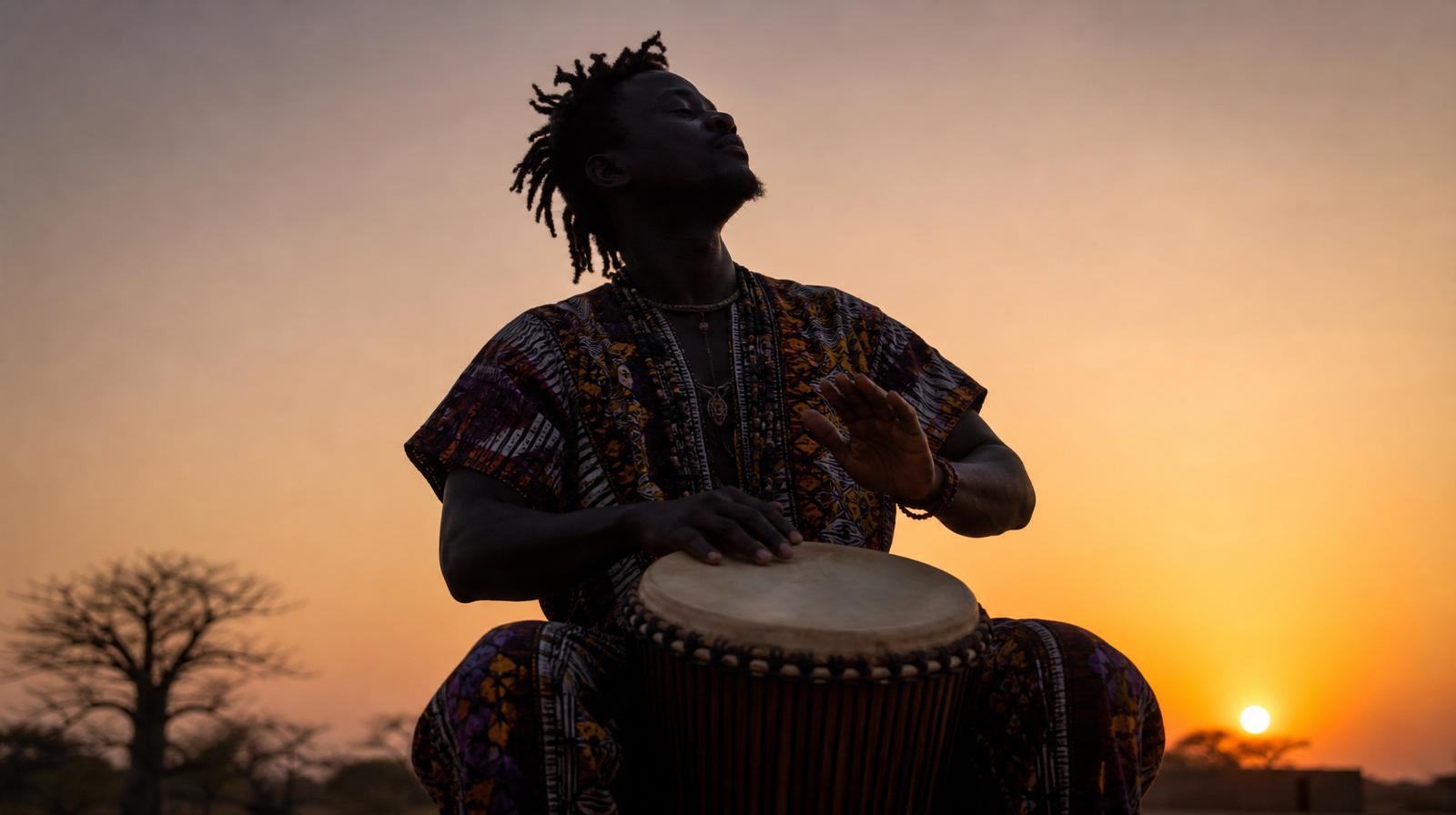
There is something primal and deeply moving about the sound of a distant heartbeat growing louder as you approach a park, a community center, or a beach. That sound is a hand drum circle—a living, breathing organism made of wood, skin, and human spirit.
Whether you are a seasoned percussionist or someone who has never touched a drum in your life, the drum circle offers a unique space where every voice matters. In this guide, we will explore the history, the instruments, and the essential etiquette that makes these gatherings the backbone of the global rhythm community.
What is a Hand Drum Circle?
At its core, a hand drum circle is a group of people sitting in a circle, playing hand-held percussion instruments together. Unlike a band or an orchestra, there is often no sheet music and, in many cases, no singular leader. The music is improvised, created in the moment through a process of listening and responding.
These gatherings range from small, intimate backyard jams to massive full-moon gatherings with hundreds of participants. The primary goal is not musical perfection, but rather community connection. When we drum together, we sync our internal rhythms, creating a shared experience that transcends language and background.
Popular Instruments You’ll Encounter
While any percussive instrument is usually welcome, certain drums define the sound of a modern hand drum circle. If you are looking for your first instrument, consider these staples:
- The Djembe: Originating from West Africa, the djembe is perhaps the most popular drum in these circles. Its goblet shape allows for a wide range of tones—from deep, resonant bass notes in the center to sharp, cracking slaps near the rim.
- The Conga: These tall, narrow Cuban drums provide a warm, melodic tone. They are often played in pairs but a single conga fits perfectly into any rhythmic tapestry.
- The Doumbek: A goblet-shaped drum from the Middle East, often made of ceramic or metal. It produces crisp, high-pitched sounds called 'teks' and deep 'doums'.
- The Frame Drum: One of the oldest drum types in the world, consisting of a shallow wooden hoop with a skin stretched over it. It is portable, spiritual, and incredibly versatile.
- Dunun: These are the large, cylindrical double-headed drums that often provide the 'heartbeat' or the foundational bass line for West African rhythms.
If you aren't ready to commit to a drum, many circles are happy to see you bring shakers, bells, or woodblocks to add texture to the sound.
Understanding Drum Circle Etiquette
To the uninitiated, a drum circle might look like a free-for-all, but there is a sophisticated 'unwritten code' that keeps the music flowing. Following these simple rules ensures a positive experience for everyone.
- Listen More Than You Play: The secret to a great circle is the space between the notes. Listen to the person next to you and the pulse of the group. If you can't hear the person across from you, you might be playing too loudly.
- Ask Before Playing Someone Else's Drum: Hand drums are personal and often expensive. Always ask for permission before trying out another person’s instrument.
- Support the Basic Beat: Beginners often try to play complex solos. The most helpful thing you can do is find the steady 'heartbeat' and hold it. This provides the foundation that allows others to experiment.
- Respect the Facilitator: Some circles feature a facilitator who uses hand signals to change the volume, tempo, or stop the music. Pay attention to their cues to help the group stay synchronized.
The Health and Wellness Benefits of Group Drumming
Beyond the fun of making music, participating in a hand drum circle is scientifically proven to improve well-being. Modern research suggests that group drumming can reduce stress by lowering cortisol levels and boosting the immune system.
For many, it is a form of 'active meditation.' The repetitive nature of the rhythm helps quiet the mind, bringing the drummer into a 'flow state.' It is also a powerful tool for social bonding, helping to combat feelings of isolation and building a sense of belonging within the local community.
How to Find Your First Circle
Finding a place to play is easier than you might think. Many cities host family-friendly circles in public parks during the summer months. Others are hosted by drum schools or local community centers.
If you want to dive deeper, you might look for drumming retreats where you can spend several days immersed in rhythm and learning from master teachers. For those who prefer a structured environment, seeking out drum teachers can help you master the technique of your specific instrument before joining a large public jam.
From Beginner to Facilitator
As you grow in your journey, you might find yourself moving from a participant to a leader. Facilitated drum circles are common in corporate team building, schools, and therapeutic settings. This role requires not just rhythmic skill, but the ability to read the energy of a room and encourage those who might be shy to find their beat.
Whether you are there to lead or simply to enjoy the vibrations, the hand drum circle is a welcoming home for all. It is a place where there are no mistakes, only 'variations,' and where the only requirement is a heartbeat.
Ready to find your rhythm? Find a drum circle near you and start your journey today.
Frequently asked
- Do I need to own a drum to join a hand drum circle?
- Not necessarily. Many community circles are 'facilitated' and provide a variety of extra instruments for newcomers to use. However, it is always a good idea to check the event description or bring a small shaker just in case.
- What should I wear to a drum circle?
- Comfort is key. Wear loose-fitting clothing that allows you to sit comfortably for long periods. Avoid large rings, bracelets, or watches, as these can damage the drum head and hurt your hands while playing.
- Are drum circles kid-friendly?
- Most public drum circles are very family-friendly and welcome children. It is a wonderful way for kids to develop a sense of rhythm and community, though parents should ensure their children respect the instruments and the volume levels of the group.
- How do I know when to stop playing?
- In a facilitated circle, the leader will usually give a 'cut-off' signal (often crossing their arms in an X or using a whistle). In an informal circle, the volume and tempo will naturally taper off—simply follow the lead of the more experienced drummers.
Find a drum circle near you
Browse hundreds of circles, teachers and rhythm community gatherings.
Explore drum circles