
Hand Drum Festival Guide: Top Gatherings & What to Expect
Discover the magic of the hand drum festival circuit, from community djembe jams to world-class rhythm workshops.
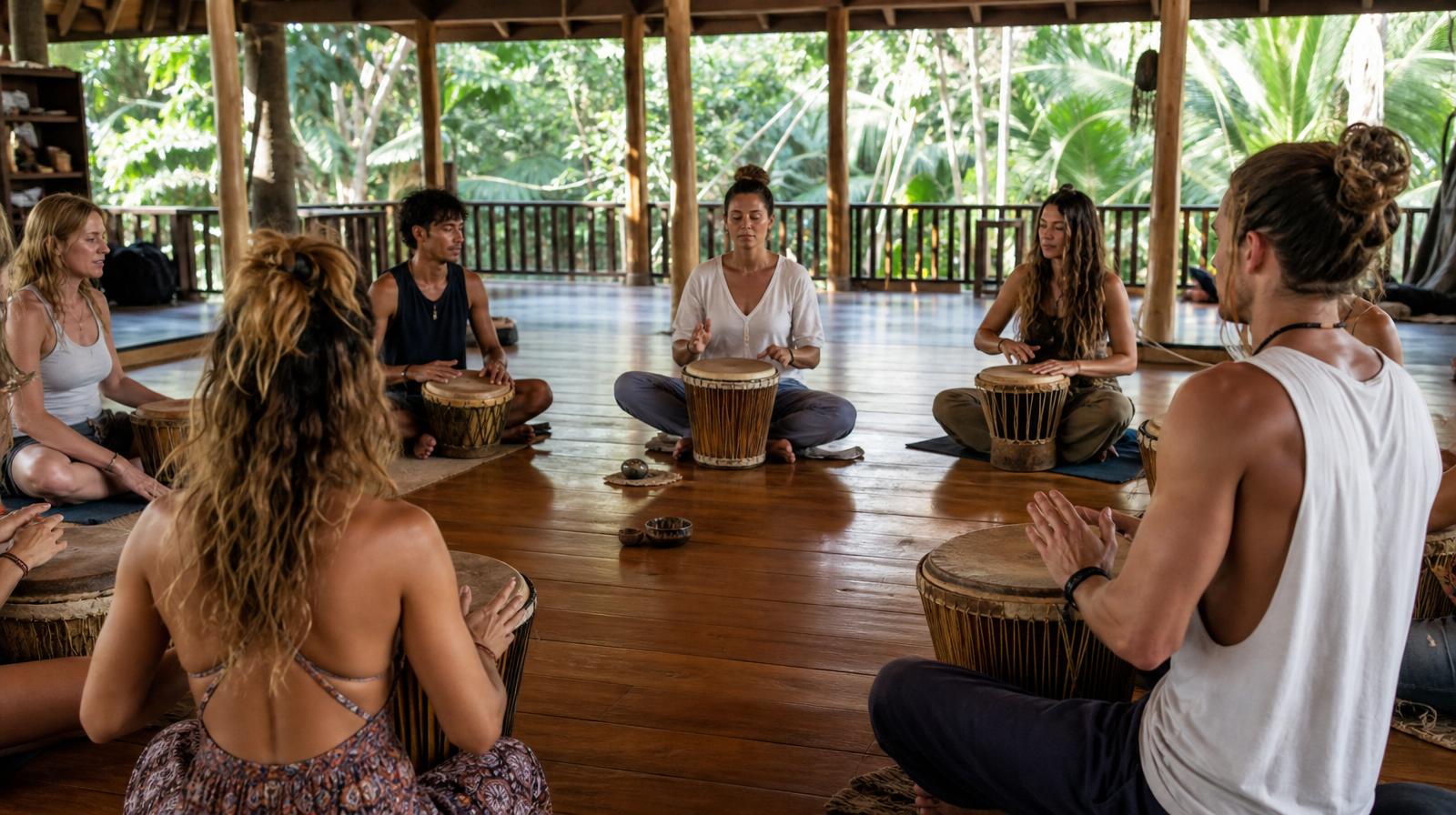
There is a specific kind of magic that occurs when hundreds of skins and woods vibrate in unison. For many, attending a hand drum festival is a rite of passage—a transition from solo practice in a living room to becoming a vital part of a massive, living rhythmic engine. Whether you are drawn to the thunderous bass of the djembe, the intricate melodies of the hang drum, or the communal heartbeat of a frame drum circle, these festivals offer a unique blend of education, performance, and spiritual connection.
In this guide, we explore the landscape of the modern hand drum festival, offering insights into what you can expect, how to prepare, and why these gatherings are essential for any aspiring percussionist.
Why Attend a Hand Drum Festival?
A hand drum festival is more than just a series of concerts; it is an immersive educational environment. Most festivals are structured around workshops led by master drummers from West Africa, the Middle East, Latin America, and beyond.
- Skill Acceleration: A weekend at a festival can provide as much technical growth as six months of solo practice.
- Community Building: You will meet fellow enthusiasts, making connections that often lead to local jam sessions.
- Instrument Exploration: Festivals are the best place to try out different drums, from dununs and congas to specialized udu drums.
- Cultural Immersion: Many events focus on the history and traditions behind the rhythms, providing context to the music you play.
What to Expect: The Festival Atmosphere
Most hand drum festivals are multi-day events, often held in scenic rural locations, parks, or retreat centers. The atmosphere is typically inclusive, family-friendly, and high-energy.
During the day, the air is filled with the sound of teaching. You might see a group of thirty students under a canopy, all mimicking a teacher’s call-and-response on their djembes. In another corner, a smaller group might be practicing the subtle finger-flicking techniques required for the doumbek or riq.
As the sun sets, the formal workshops give way to the main stage performances and, eventually, the late-night community drum circles. These circles are the heart of the festival, where the boundaries between "performer" and "audience" disappear. If you're looking for smaller, more localized versions of this energy, you can always check our directory to find drum circles in your immediate area.
Essential Gear for the Traveling Drummer
Packing for a hand drum festival requires more than just a tent and a sleeping bag. Your instrument is your primary companion, and protecting it is paramount.
- A Reliable Gig Bag: Ensure your drum has a padded, water-resistant bag. Festivals often involve walking between workshop sites, so backpack-style straps are a lifesaver.
- Drum Hat or Cover: Protect your drum head from direct sunlight and humidity changes, which can de-tune or even damage natural skins.
- Folding Chair or Stool: Many workshops take place in fields. A lightweight, armless camping stool allows your arms to move freely while you play.
- Ear Protection: Even though hand drums are acoustic, the volume of a hundred drums can be intense. High-fidelity earplugs are recommended to save your hearing without muffling the tone.
- Hydration and Snacks: Drumming is a physical workout. Stay hydrated to avoid cramping during long afternoon sessions.
Navigating Workshops and Classes
When you arrive at a hand drum festival, the schedule can be overwhelming. You might have to choose between a Guinean rhythm class, a session on Afro-Cuban conga patterns, or a workshop on therapeutic drumming.
Don't try to do everything. It is better to deeply learn two or three rhythms than to walk away with ten half-remembered patterns. If you find a teacher whose style resonates with you, keep an eye out for drum teachers who offer follow-up lessons online or in person after the festival ends. Many masters use festivals as a way to meet students for their year-round drum schools.
Etiquette in the Great Circle
The community drum circle at a festival is a sacred space, but it has its own unwritten rules. To ensure everyone has a good experience, keep these etiquette tips in mind:
- Listen more than you play: Before joining in, listen to the established groove for a minute. Find the pulse before adding your voice.
- Respect the facilitator: If someone is leading the circle, follow their signals for volume changes or stops.
- Don't over-play: You don't need to play at 100% volume the whole time. Leave space for others to be heard.
- Ask before playing someone else’s drum: This is the golden rule of any event. Many drums are handmade and deeply personal.
Finding the Right Festival for You
There are festivals dedicated to specific traditions, such as the many djembe-focused camps across the US and Europe, and there are "all-comers" festivals that celebrate world percussion at large. Some focus on the healing power of rhythm, while others are geared toward professional-level technical mastery.
If you aren't ready to travel across the country, start small. Many regional parks and community centers host one-day rhythm festivals that offer a taste of the experience. For those seeking a deeper dive, drumming retreats provide a more intimate, focused environment compared to the large-scale festival circuit.
Conclusion: Your Rhythmic Journey
Attending a hand drum festival is an investment in your musical soul. It’s where your technique meets tradition, and where your individual rhythm joins the collective pulse. Whether you are a beginner hitting your first bass note or a seasoned pro, there is always a place for you in the circle.
Ready to find your beat? Find a drum circle near you today.
Frequently asked
- Do I need to be an expert to attend a hand drum festival?
- Not at all. Most festivals are designed for all skill levels, offering specific 'beginner tracks' alongside masterclasses. The community is generally very welcoming to newcomers who are eager to learn.
- What if I don't own a drum yet?
- Many festivals offer drum rentals or have vendors on-site where you can purchase your first instrument. Some workshops even provide 'loaner' drums for participants, but it's always best to check the event website beforehand.
- Are hand drum festivals family-friendly?
- Yes, the majority of these events are very family-oriented. Many offer kids' drumming workshops and activities, making them a great way to introduce children to music and community cooperation.
Find a drum circle near you
Browse hundreds of circles, teachers and rhythm community gatherings.
Explore drum circles