Finding Hand Drum Lessons Near Me: A Guide to Rhythm Mastery
Ready to find your rhythm? Discover how to locate the best hand drum lessons in your area and choose the right instructor for your musical journey.
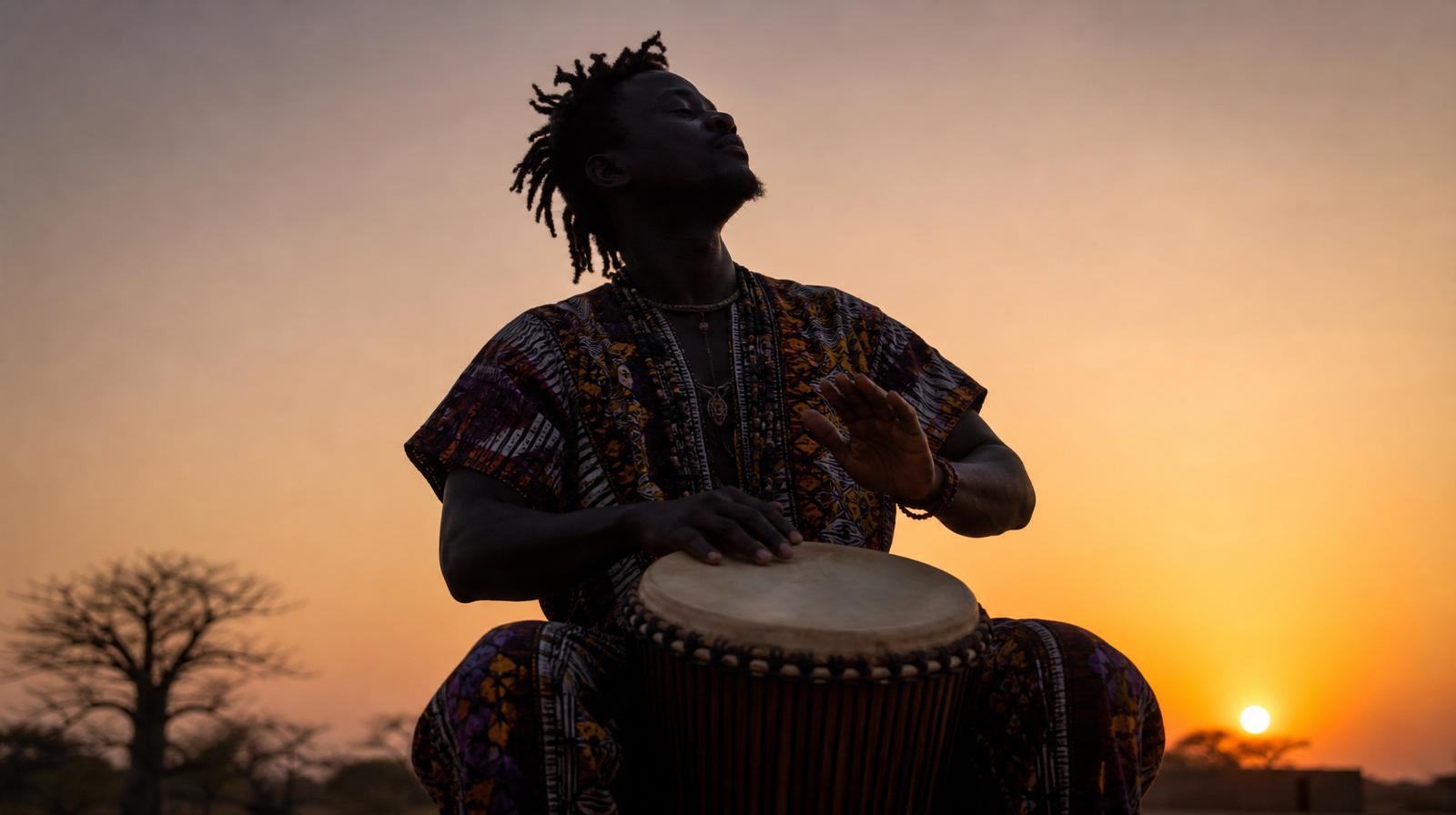
There is something primal and deeply satisfying about the vibration of a drum beneath your palms. Whether it is the sharp slap of a djembe, the warm bass of a conga, or the hypnotic resonance of a frame drum, hand drumming is more than just a musical skill—it is a gateway to community and wellness. If you have been searching for "hand drum lessons near me," you are likely looking for more than just technical proficiency; you are looking for your rhythm.
Why Start Your Drumming Journey with a Teacher?
While YouTube tutorials offer a great starting point, nothing replaces the immediate feedback of a live instructor. A skilled teacher can spot tension in your shoulders, correct the angle of your wrists, and ensure you are producing a clean tone without risking repetitive strain injuries.
In a local lesson setting, you receive personalized guidance on:
- Proper Posture: How to sit with your drum to allow for maximum resonance and physical longevity.
- Tone Production: Mastering the three basic hits—bass, tone, and slap.
- Cultural Context: Understanding the history and traditional rhythms of the instrument you are playing.
Choosing Your Instrument: Djembe, Conga, or Doumbek?
Before you book your first session, consider which tradition speaks to you. Most drum teachers specialize in specific styles:
- The Djembe: This West African powerhouse is the most popular choice for community drum circles. It offers a wide range of sounds and is relatively portable.
- Congas and Bongos: Essential for Afro-Cuban and Latin styles, these drums require specific hand techniques and often involve playing multiple drums at once.
- The Doumbek or Darbuka: These goblet-shaped drums are central to Middle Eastern music, emphasizing intricate finger dexterity and rapid-fire rolls.
- Frame Drums: One of the world's oldest instruments, frame drums are often used in meditative and spiritual practices, played with both the hands and fingers.
What to Look for in Local Hand Drum Lessons
When searching for the right instructor, look beyond just the price per hour. A great teacher should be an active member of the local scene and possess a genuine passion for sharing the craft.
Ask potential teachers about their teaching philosophy. Do they focus on rote memorization, or do they encourage improvisation? If you are a beginner, look for someone who emphasizes "rhythm literacy"—the ability to feel the pulse and understand how different patterns interlock in a polyrhythmic structure.
Group Classes vs. Private Instruction
Both formats have unique benefits. Private lessons allow for rapid technical progress and a customized curriculum. However, hand drumming is inherently social. Joining a group class at one of the many drum schools allows you to practice call-and-response patterns and experience the power of playing in unison with others.
Group classes are also a fantastic way to overcome "performance anxiety" in a supportive, low-pressure environment. You will meet fellow enthusiasts and perhaps find partners to attend local events with.
Integrating Lessons with Community Practice
Taking lessons is the first step, but the real magic happens when you apply those skills in a communal setting. Many teachers encourage their students to participate in monthly full-moon gatherings or family-friendly circles. This transition from the practice room to the circle is where you learn the "etiquette" of drumming—listening as much as you play and supporting the collective groove.
Preparing for Your First Lesson
Don't feel pressured to buy an expensive professional-grade drum immediately. Most teachers provide instruments for your first few sessions. Wear comfortable clothing that allows for a full range of motion in your arms and shoulders. Most importantly, bring an open mind. Drumming is as much about listening and breathing as it is about hitting a surface.
If you find yourself hooked after a few months of local study, you might even consider deepening your practice by attending drumming retreats, where you can immerse yourself in rhythm away from the distractions of daily life.
Find a drum circle near you to start your journey today.
Frequently asked
- Do I need to own a drum before starting lessons?
- No, most instructors and drum schools provide instruments for beginners to use during their first few lessons. This allows you to try different types of drums, like the djembe or conga, before investing in your own.
- How long does it take to learn hand drumming?
- While you can learn basic tones and a simple rhythm in your very first lesson, mastering the nuances of hand drumming is a lifelong journey. Most students feel comfortable participating in a community drum circle after 4 to 8 weeks of consistent instruction.
- Are hand drum lessons suitable for children?
- Absolutely! Hand drumming is a fantastic way for children to develop coordination, focus, and social skills. Many teachers offer family-friendly classes designed specifically for younger rhythms and shorter attention spans.
Find a drum circle near you
Browse hundreds of circles, teachers and rhythm community gatherings.
Explore drum circles