
Find Hand Drumming Classes Near Me: A Guide to Local Rhythm
Discover the joy of rhythm by finding the perfect hand drumming class in your neighborhood, from djembe basics to advanced conga techniques.
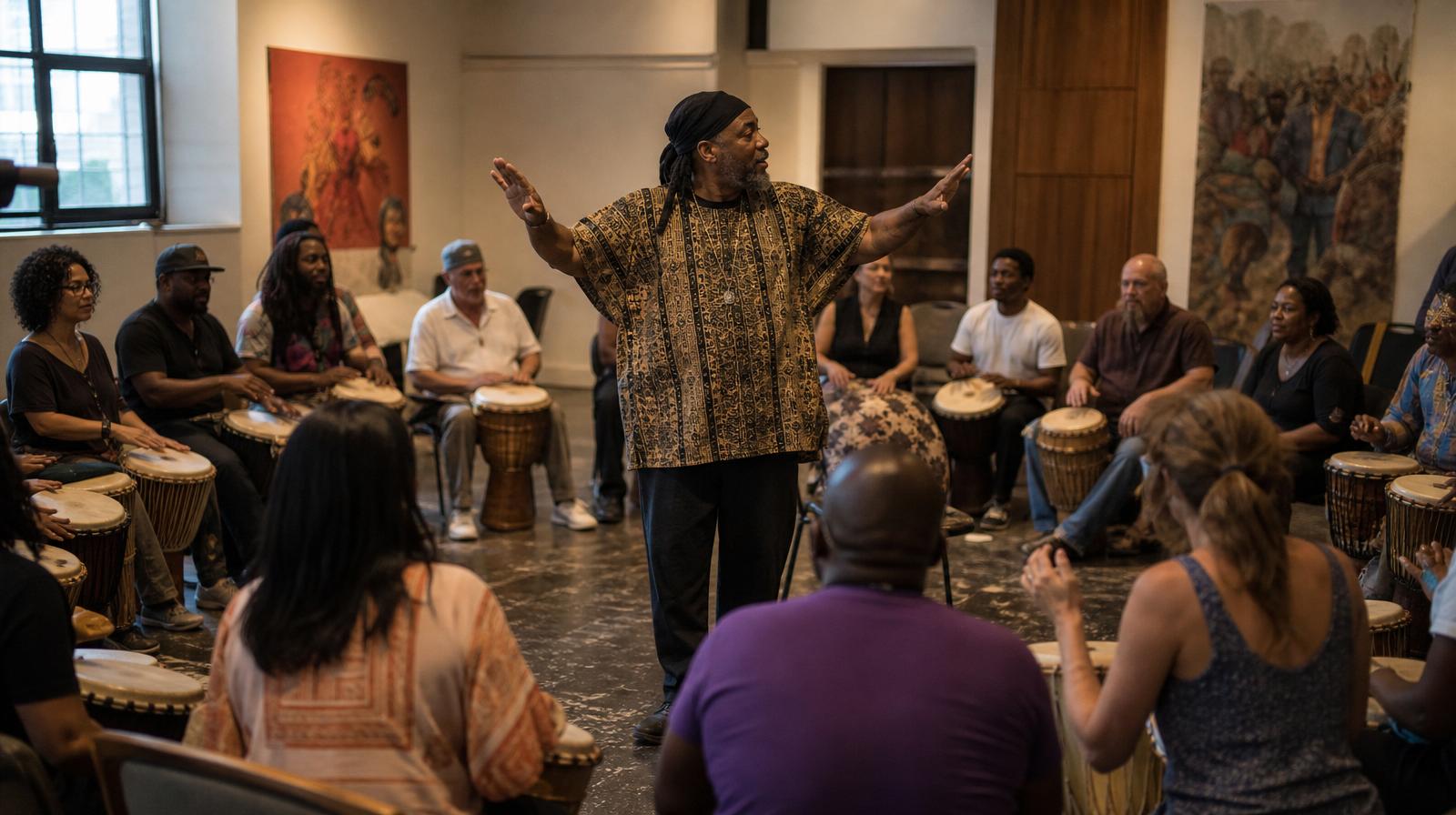
There is something primal and profoundly rewarding about striking a drum for the first time. Whether it is the deep bass of a djembe or the sharp slap of a conga, hand drumming connects us to a global lineage of rhythm. If you have been searching for "hand drumming classes near me," you are likely looking for more than just a musical skill—you are looking for a community.
Hand drumming is accessible, therapeutic, and deeply social. Unlike many instruments that require years of solitary practice before joining an ensemble, drumming allows you to find your groove alongside others almost immediately. In this guide, we will explore how to find the right class, what to expect in your first session, and how to transition from a student to a confident member of your local drum circle.
Why Start Your Journey with Local Hand Drumming Classes?
While online tutorials are a great resource, nothing replaces the tactile experience of an in-person class. A local teacher can correct your posture, help you find the "sweet spot" on your drum head, and teach you the nuances of tone that a video simply cannot capture.
When you join a local class, you also benefit from the collective energy of the room. Learning call-and-response patterns or polyrhythms is a physical experience. You feel the vibration of the other drums in your chest, helping you stay in time and understand the pulse of the music intuitively.
Choosing the Right Instrument: Djembe, Conga, or Doumbek?
Before you sign up for a class, it is helpful to know which style of drumming resonates with you. Most beginner classes focus on one of three main traditions:
- The Djembe: Originating from West Africa, this goblet-shaped drum is perhaps the most popular for beginners. It offers three distinct sounds—bass, tone, and slap—and is the heart of most community drum circles.
- Congas and Bongos: These Afro-Cuban instruments are essential for Latin jazz and salsa. They require a specific palm-and-finger technique that differs significantly from West African styles.
- The Doumbek or Darbuka: These goblet drums from the Middle East are known for their intricate, rapid-fire finger techniques and high-pitched, metallic tones.
- Frame Drums: One of the world's oldest instruments, the frame drum is often used in meditative and spiritual drumming practices.
If you aren't sure which to choose, many drum schools offer "intro to hand drumming" sessions where you can try several instruments before committing to one.
What to Expect in Your First Hand Drumming Class
Walking into your first class can be intimidating, but drum communities are famously welcoming. Most beginner classes follow a structured path to get you comfortable with the instrument:
- Posture and Ergonomics: You will learn how to sit with your drum (usually tilted slightly away from you for the djembe) to allow the sound to escape the bottom and to protect your back and wrists.
- Basic Strokes: You will spend time mastering the bass (center of the drum), the tone (near the edge with fingers together), and the slap (a relaxed strike at the edge).
- Simple Rhythms: Teachers often use vocalizations or mnemonics to help you memorize patterns. If you can say it, you can play it!
- Ensemble Play: By the end of the hour, the class will usually play a simple multi-part rhythm together, giving you a taste of the "groove."
Finding Qualified Drum Teachers and Schools
Finding the right mentor is the fastest way to progress. A good teacher doesn't just show you where to hit the drum; they teach you the cultural context of the rhythms you are playing. This respect for tradition is what separates a musician from someone who just hits a drum.
When searching for drum teachers, look for those who emphasize technique and history. Many instructors offer group classes in community centers, while others provide private lessons in home studios. Check our directory to see who is teaching in your area and read reviews from other local students.
Transitioning from the Classroom to the Drum Circle
Once you have learned a few basic patterns, the next step is joining a community gathering. Drum circles are less formal than classes; they are spontaneous celebrations of rhythm where everyone is welcome.
In a circle, the focus shifts from "getting it right" to "listening and responding." You will use the skills from your classes to support the group's energy. This is where the real magic happens—where the individual drum beats merge into a single, soaring wall of sound. Whether it is a full-moon gathering on a beach or a family-friendly circle in a local park, these events are where your practice truly comes to life.
The Health and Wellness Benefits of Drumming
Beyond the music, people seek out hand drumming classes for their well-being. Peer-reviewed studies have shown that group drumming can reduce stress, lower blood pressure, and even boost the immune system. The rhythmic repetition acts as a form of "active meditation," quieting the mind and focusing the spirit.
For many, the drum is a tool for healing. It provides an emotional outlet that words often cannot. This is why you will find drumming integrated into events ranging from corporate team-building to wellness retreats.
Making the Most of Your Drumming Practice
To see progress, try to play for at least 15 minutes a day. You don't always need your drum; you can practice hand patterns on your lap while sitting on the bus or at your desk. Listen to traditional recordings of the style you are learning to internalize the "swing" of the rhythm.
Most importantly, be patient with yourself. Your hands need time to develop the necessary calluses and muscle memory. In a few months, those "hand drumming classes near me" will have transformed you into a confident contributor to your local rhythm scene.
Find a drum circle near you at Drum Circle Directory.
Frequently asked
- Do I need to own a drum before starting a class?
- Not necessarily. Many teachers and schools provide 'loaner' drums for beginner classes so you can try different styles before purchasing your own. It is always best to message the instructor beforehand to confirm availability.
- Is hand drumming hard to learn for beginners?
- Hand drumming is one of the most accessible forms of music-making. While mastering professional techniques takes years, a beginner can usually learn the three basic strokes and participate in a group rhythm within their very first hour-long session.
- What is the difference between a drum class and a drum circle?
- A drum class is a structured educational environment led by a teacher focusing on specific techniques and rhythms. A drum circle is a community-led social event that is usually improvisational and focused on group connection rather than formal instruction.
Find a drum circle near you
Browse hundreds of circles, teachers and rhythm community gatherings.
Explore drum circles