Top Hand Drumming Classes in the United States: Your Rhythm
Discover the vibrant world of hand drumming classes across the country and find the perfect instructor to help you master the djembe, conga, or frame drum.
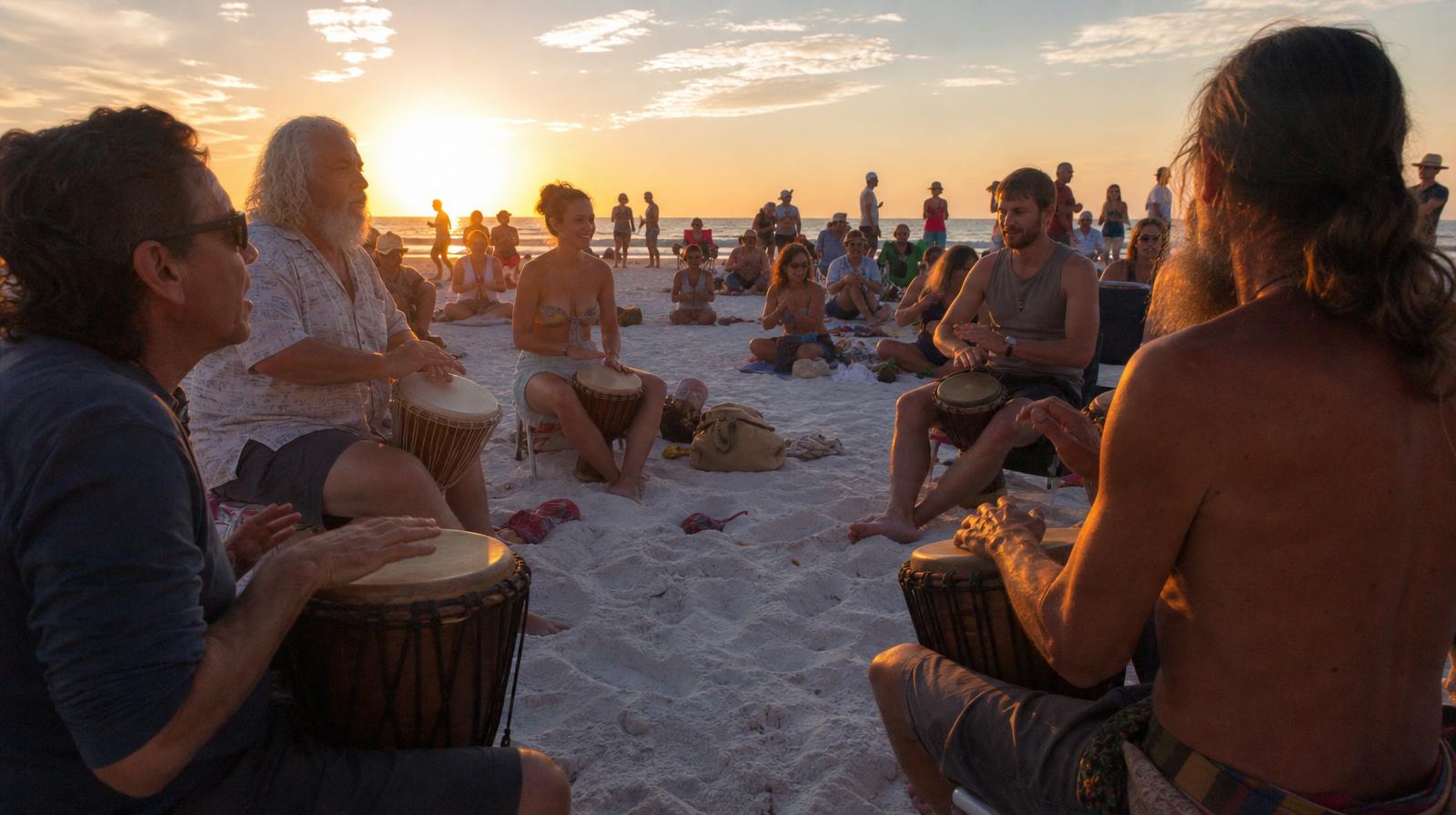
There is a profound, primal magic that happens when your hands meet the skin of a drum. In the United States, the hand drumming scene is more vibrant than ever, spanning from the sun-drenched parks of California to the rhythmic heart of New York City. Whether you are drawn to the thunderous bass of a West African djembe or the intricate, melodic textures of a Middle Eastern doumbek, finding high-quality hand drumming classes in the United States is the first step on a life-changing musical journey.
Learning to drum is about more than just keeping time; it is about finding your voice within a community. In this guide, we will explore how to find the right instructor, what to expect in your first class, and how to transition from a solo learner to a confident participant in local rhythm gatherings.
Why Join Hand Drumming Classes?
While many people start their journey by tapping along to records at home, professional instruction offers a foundation that prevents common injuries and accelerates musical growth. Hand drumming classes provide several key benefits:
- Proper Technique: Learning the correct way to strike the drum (bass, tone, and slap) protects your wrists and fingers.
- Cultural Context: Understanding the history and traditional rhythms of instruments like the dunun or conga adds depth to your playing.
- Community Connection: Drumming is inherently social. Classes introduce you to like-minded people who share your passion for rhythm.
- Structured Progression: A teacher can help you navigate complex polyrhythms that might feel overwhelming when practicing alone.
Popular Instruments Taught in US Drumming Schools
When searching for hand drumming classes in the United States, you will likely encounter a diverse array of traditions. Most schools focus on one of the following "big three" families of hand percussion:
West African Djembe and Dunun
Perhaps the most popular entry point for beginners, the djembe is known for its wide range of pitches. Classes often involve learning traditional rhythms from Guinea, Mali, and Senegal, frequently accompanied by the dunun (bass drums played with sticks).
Afro-Cuban Congas and Bongos
If you love salsa, rumba, or jazz, Afro-Cuban percussion is a fantastic path. These classes focus on hand endurance, specific stroke patterns like the 'heel-toe,' and the essential 'clave' rhythm that holds the music together.
Middle Eastern and North African Percussion
For those interested in intricate finger-style techniques, looking for drum schools that teach the doumbek (or darbuka), riq, and frame drum is ideal. These instruments require a delicate touch and offer a different rhythmic vocabulary based on 'Dum' and 'Tek' sounds.
What to Expect in Your First Hand Drumming Class
Walking into your first class can be intimidating, but drum communities are famously welcoming. Most beginner sessions follow a similar flow:
- The Check-in: A brief moment to center yourself and meet your fellow students.
- Warm-ups: Gentle exercises to loosen the shoulders, arms, and hands.
- Technique Focus: The instructor will demonstrate basic hits—ensuring your hands are bouncing off the skin rather than 'pressing' into it.
- Call-and-Response: The teacher plays a short pattern, and the class mirrors it back. This develops your ear and timing.
- The Groove: By the end of the session, the class usually settles into a multi-part rhythm where different groups play interlocking patterns.
Finding the Right Instructor or School
Not all teachers are created equal. When browsing for drum teachers, consider their background. Do they have experience in the specific tradition you want to learn? Do they emphasize proper ergonomics? Many of the best hand drumming classes in the United States are held in community centers, private studios, or even outdoors in public parks.
Don't be afraid to ask if they provide drums for beginners. Many instructors carry a 'loaner' fleet of djembes or congas for those who haven't yet invested in their own instrument. Once you've found your rhythm, you might even consider deepening your practice by attending drumming retreats where you can immerse yourself in rhythm for several days at a time.
Transitioning to Drum Circles and Events
Once you have a few classes under your belt, the next logical step is to join a community jam. While classes are structured, drum circles are often more improvisational. This is where you put your skills to the test in a real-world setting. Look for local events like full-moon gatherings or family-friendly circles in your area. These gatherings are the heartbeat of the drumming community, offering a space to play without the pressure of a formal performance.
Etiquette for New Drummers
As you begin attending hand drumming classes in the United States, keep a few etiquette tips in mind:
- Listen more than you play: Especially in a group setting, focus on the pulse of the lead drummer or the bass drums.
- Ask before playing someone else's drum: Hand drums are personal instruments; always seek permission before trying a classmate's gear.
- Support the groove: Your goal is to contribute to the collective sound, not to drown everyone else out with a solo.
Start Your Rhythmic Journey Today
Whether you are looking for a stress-relief outlet, a way to improve your physical coordination, or a deep dive into world cultures, hand drumming offers it all. The United States boasts some of the world's most talented facilitators and teachers. By taking that first step and signing up for a class, you are opening a door to a lifelong community of rhythm.
Find a drum circle near you and start playing today: Drum Circle Directory.
Frequently asked
- Do I need to own a drum to start taking hand drumming classes?
- No, many instructors and drum schools provide loaner instruments for beginners. It is often better to wait until you have taken a few classes so your teacher can advise you on what size and type of drum (like a djembe or conga) is right for your body and interests.
- Are hand drumming classes suitable for people with no musical background?
- Absolutely. Hand drumming is one of the most accessible ways to enter the world of music. Most beginner classes focus on rhythm as a natural human instinct rather than requiring you to read sheet music or have prior experience.
- What is the difference between a drum class and a drum circle?
- A drum class is a structured environment led by a teacher focusing on technique, specific rhythms, and cultural history. A drum circle is a community-led gathering focused on improvisation, social connection, and the collective experience of rhythm.
Find a drum circle near you
Browse hundreds of circles, teachers and rhythm community gatherings.
Explore drum circles