Find Hand Drumming Events Near Me: A Guide to Local Circles
Discover the transformative power of rhythm by finding the best hand drumming events, community circles, and workshops in your local area.
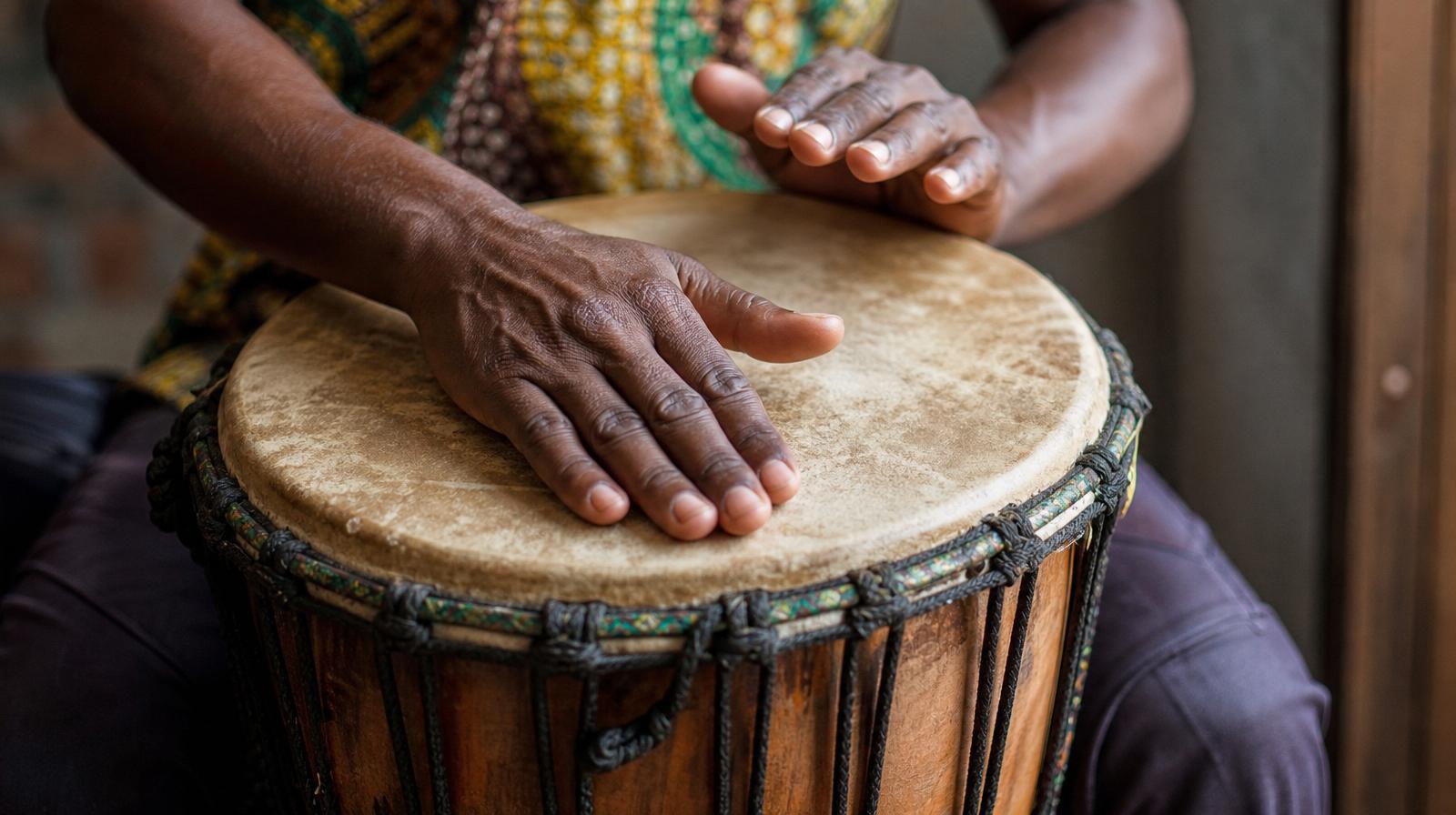
There is a unique magic that happens when a group of people comes together to strike a drumhead in unison. The air thrums, the ground vibrates, and suddenly, the individual heartbeat merges into a collective pulse. If you have been searching for "hand drumming events near me," you are likely looking for more than just a musical performance—you are looking for connection, expression, and a sense of belonging.
Hand drumming is one of the oldest forms of human communication. Whether it is the sharp slap of a djembe, the deep resonance of a conga, or the mystical hum of a frame drum, these instruments have called us to gather for millennia. Today, the modern drum circle movement is thriving, offering inclusive spaces for beginners and seasoned percussionists alike to share their rhythm.
Why Attend a Local Drum Circle?
Participating in local hand drumming events offers benefits that go far beyond learning a new skill. For many, it is a form of active meditation. When you are locked into a groove, the chatter of the mind fades away, replaced by the physical sensation of the rhythm.
-
Stress Relief: The physical act of drumming releases endorphins and can help lower cortisol levels.
-
Community Building: Drum circles are democratic spaces where every voice (or beat) matters. It is a fantastic way to meet like-minded people in your neighborhood.
-
Accessibility: Most community circles are "come as you are." You don't need to be a professional musician to contribute to the collective sound.
Types of Hand Drumming Events You Will Find
When searching for events, you will notice that not all gatherings are the same. Understanding the format can help you choose the right environment for your comfort level.
Facilitated Drum Circles
In a facilitated circle, a leader guides the group using verbal and non-verbal cues. They might initiate call-and-response patterns or help the group transition from a frantic tempo to a soft, melodic pulse. These are excellent for beginners because the facilitator ensures the music stays cohesive.
Open Jam Sessions
These are more organic and less structured. Musicians often bring various instruments—from doumbeks to shakers—and play based on the energy of the room. These events are common at parks, beaches, and full-moon gatherings.
Instructional Workshops
If you want to improve your technique, look for drum schools or specific workshops. These sessions often focus on a particular instrument, such as the West African djembe or the Middle Eastern darbuka, teaching traditional rhythms and proper hand placement.
Common Instruments You’ll Encounter
If you are new to the scene, the variety of instruments can be overwhelming. While many organizers provide extra instruments, knowing the basics can help you feel more at home.
- Djembe: The most popular drum in community circles. Its goblet shape allows for deep bass notes and sharp, high-pitched slaps.
- Congas: Tall, narrow drums from Cuba that produce a warm, melodic tone.
- Dunun: Often played with sticks, these provide the "heartbeat" or bass foundation for West African rhythms.
- Frame Drums: Large, shallow drums often held in the hand or on the lap, popular in spiritual and meditative drumming.
- Small Percussion: Don't underestimate the power of a good shaker, cowbell, or tambourine. They add essential texture to the groove.
What to Expect at Your First Event
Walking into your first drum circle can feel intimidating, but the community is notoriously welcoming. Most events follow a similar flow. You will likely see a circle of chairs or people sitting on the grass. If it is a family-friendly circle, you will see children with egg shakers alongside elders with heirloom drums.
Start by listening. Before you strike your drum, find the pulse of the group. It is often helpful to start with a simple "heartbeat" (two low notes) until you feel comfortable adding your own flair. Remember, the goal isn't to show off your speed; it's to support the shared rhythm.
How to Find the Best Gatherings
The best way to find "hand drumming events near me" is to look where the community congregates. Local music shops, community centers, and yoga studios often host monthly circles. However, the most reliable way to find verified, high-quality gatherings is through specialized directories.
If you are looking for structured learning, connecting with drum teachers can lead you to student recitals and private circles that aren't advertised to the general public. For those looking to dive deeper, drumming retreats offer immersive weekend experiences that combine travel with intensive rhythm study.
Drum Circle Etiquette for Newcomers
To ensure everyone has a positive experience, there are a few unwritten rules to follow:
- Ask Before You Play: If someone has left their drum unattended, do not play it without permission. Many drums are handmade and deeply personal.
- Listen More Than You Play: Ensure you can hear the people on either side of you. If you are the loudest person in the circle, you might be overpowering the collective.
- Follow the Facilitator: If a facilitator is using a signal to quiet the group or stop, respect the cue immediately.
- Support the Groove: Avoid playing "solos" that break the timing of the rest of the group. Focus on being the glue that holds the rhythm together.
The Healing Power of the Beat
Many people seek out hand drumming events for their therapeutic properties. "Health and Wellness" circles are becoming increasingly common in hospitals, veteran centers, and wellness retreats. The rhythmic vibrations have been shown to help with neurological conditions and emotional release. Whether you are looking for a high-energy dance party or a quiet, reflective space, there is a circle out there for you.
Finding a local rhythm community is an investment in your well-being. It is a chance to put down your phone, step away from the screen, and engage in a tactile, ancient tradition that feeds the soul.
Find a drum circle near you and start your rhythmic journey today.
Frequently asked
- Do I need to own a drum to attend an event?
- Not necessarily. Many community drum circles and facilitated events offer 'loaner' instruments for a small fee or for free. It is always best to check the event description or contact the organizer in advance to see if they have extra djembes or shakers available.
- Are hand drumming events suitable for children?
- Many drum circles are family-friendly and welcome all ages. Look for events specifically labeled as 'community' or 'family' circles. These gatherings often provide a safe, inclusive environment where children can learn rhythm alongside adults.
- What should I wear to a drum circle?
- Comfort is key. You will likely be sitting for an hour or more, so wear loose-fitting clothing. Avoid wearing rings, large bracelets, or watches, as these can damage the drumhead and hurt your hands while playing.
- How do I find a teacher if I want to get better?
- If you want to move beyond basic circles, look for local drum instructors who specialize in your instrument of choice. Many teachers advertise in community centers or online directories, offering both private lessons and group workshops to help refine your technique.
Find a drum circle near you
Browse hundreds of circles, teachers and rhythm community gatherings.
Explore drum circles