Joining a Hand Drumming Group: Find Your Rhythm and
Discover the transformative power of joining a hand drumming group, from learning basic djembe techniques to connecting with a vibrant rhythm community.
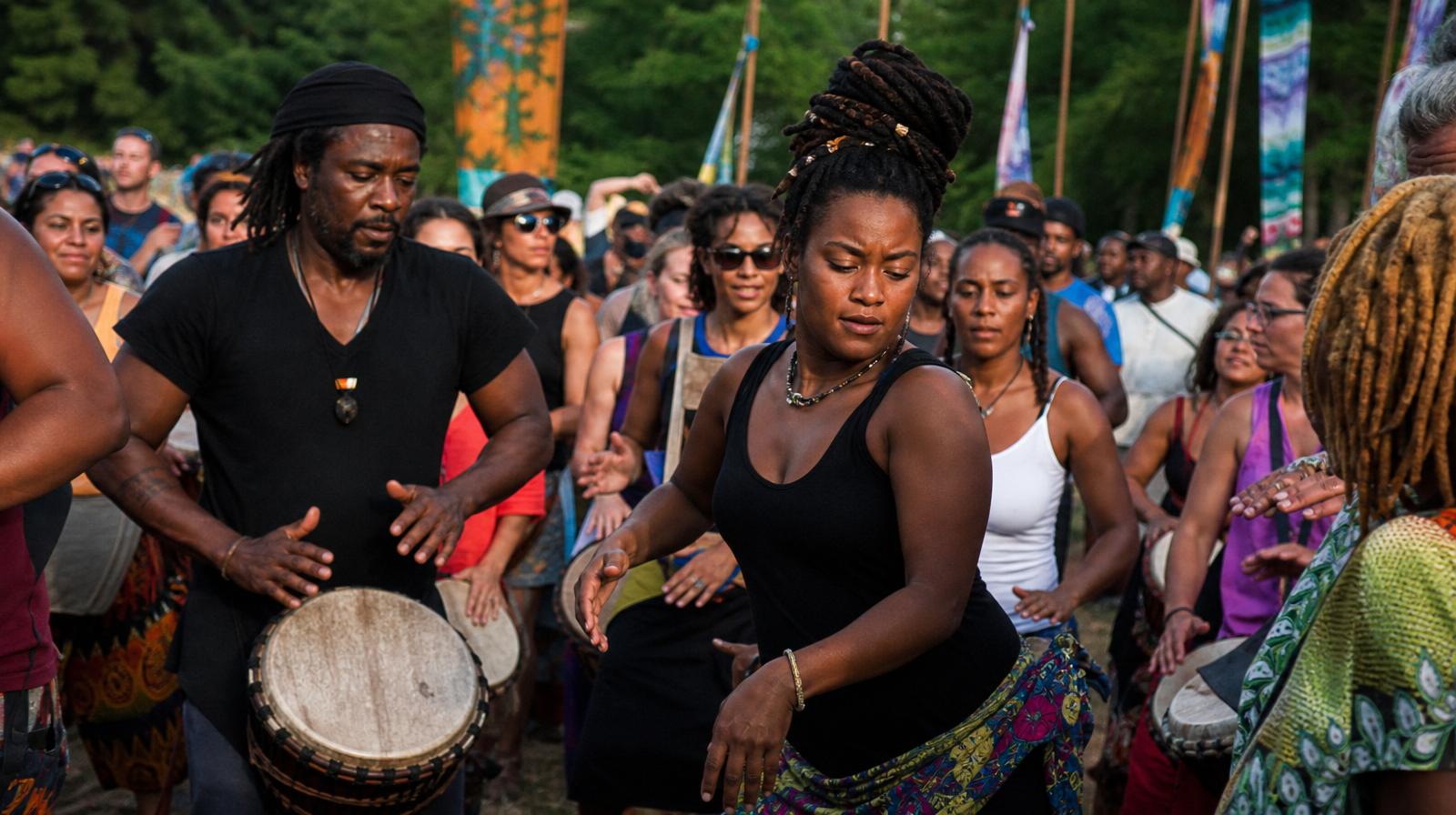
There is a unique magic that happens when a group of people comes together to create a collective heartbeat. Whether it is the resonant bass of a djembe or the sharp slap of a conga, the sound of a hand drumming group is more than just music—it is a conversation. If you have ever felt the urge to pick up a drum and join in, you are tapping into a tradition that spans centuries and cultures.
For many, a hand drumming group is the entry point into a lifelong passion. It is a space where beginners can learn the ropes and seasoned facilitators can guide the energy of the room. In this guide, we will explore what to expect, how to prepare, and why finding your local rhythm community is one of the most rewarding steps you can take.
The Anatomy of a Hand Drumming Group
Not all drumming groups are created equal. Depending on the focus, you might find yourself in a structured class, a loose jam session, or a facilitated community drum circle. Understanding these distinctions helps you find the right fit for your goals.
-
Community Drum Circles: These are often open to all skill levels. The focus is on the "here and now," with participants improvising together. Often, a facilitator will use hand signals to manage volume, tempo, and transitions.
-
Instructional Ensembles: These groups focus on specific traditions, such as West African Manding drumming or Afro-Cuban rhythms. Here, you will learn specific parts on instruments like the djembe, dunun, or congas.
-
Wellness and Healing Circles: These groups prioritize the therapeutic benefits of rhythm, often incorporating meditation or intention-setting into the session.
Finding the right environment is key. You can explore our directory of drum circles to see what types of gatherings are happening in your area.
Essential Instruments for the Group
While some groups provide instruments, many drummers prefer to bring their own. The diversity of sounds is what makes a hand drumming group so vibrant. Here are the most common instruments you will encounter:
- Djembe: The most popular choice for drum circles. It offers a wide range of tones—from deep, resonant bass to high-pitched slaps.
- Congas: Essential for Latin-inspired rhythms, these tall drums are played in pairs or trios and provide a melodic, driving force.
- Doumbek/Darbuka: Common in Middle Eastern music, these goblet-shaped drums are known for their intricate finger-tapping techniques.
- Frame Drums: One of the oldest drum types, these are often used in more meditative or spiritual drumming groups.
- Auxiliary Percussion: Shakers, bells, and woodblocks add the "seasoning" to the rhythmic stew and are perfect for those just starting out.
What to Expect at Your First Gathering
Walking into a hand drumming group for the first time can be intimidating, but most communities are incredibly welcoming. Usually, the group sits in a circle, allowing everyone to see and hear one another. This circular formation represents equality; there is no "front" of the stage.
Most sessions begin with a simple pulse. A facilitator might lead a call-and-response exercise to get everyone synced up. Don't worry about making mistakes—the beauty of a large group is that individual errors blend into the collective sound. The goal isn't perfection; it's participation.
If you find yourself struggling with the technique, consider reaching out to drum teachers who can help you master the basic strokes (bass, tone, and slap) in a one-on-one setting.
The Unwritten Rules: Drum Circle Etiquette
To ensure everyone has a positive experience, hand drumming groups follow a few simple pieces of etiquette. Respecting these guidelines will make you a valued member of any circle:
- Ask Before Playing Someone Else’s Drum: Many drummers have a deep personal connection to their instruments. Always ask permission before trying out a drum that isn't yours.
- Listen More Than You Play: The best drummers are those who leave space for others. If you can't hear the person next to you, you might be playing too loud.
- Support the Pulse: The heartbeat of the group is the most important part. If the rhythm gets complex, simplify your playing and return to the basic beat.
- Follow the Facilitator: If someone is leading the group, keep your eyes on them for signals to stop, start, or change volume.
Health and Social Benefits of Group Drumming
Beyond the music, joining a hand drumming group offers profound health benefits. Research has shown that group drumming can reduce stress, boost the immune system, and even help manage chronic pain. The act of drumming releases endorphins and promotes a sense of "group entrainment," where the brainwaves of participants actually begin to synchronize.
Socially, these groups provide a sense of belonging. In an increasingly digital world, the physical act of gathering to create something tangible is a powerful antidote to isolation. Many lifelong friendships start in the middle of a rhythm jam.
Taking Your Practice Further
Once you have caught the rhythm bug, you might want to deepen your skills. Many drummers transition from casual circles to formal drum schools to study the cultural history and complex polyrhythms of specific traditions.
For those looking for a truly immersive experience, drumming retreats offer the chance to spend several days living and breathing rhythm, often in beautiful, nature-focused settings. These retreats are excellent for breaking through plateaus and connecting with the global drumming community.
How to Find Your Local Rhythm
Ready to find your beat? The best way to start is by looking for local events in your community. Check local community centers, music shops, and parks. Many groups meet monthly during full moons or weekly at community halls.
No matter your age or musical background, there is a place for you in the circle. The world needs more rhythm, and your voice—and your drum—is a vital part of that symphony.
Find a drum circle near you at /drum-circles.
Frequently asked
- Do I need to own a drum to join a hand drumming group?
- Not necessarily. Many community drum circles provide extra instruments or 'loaner' drums for newcomers. However, if you are joining a specific class or school, they may expect you to bring your own djembe or conga.
- What if I have no musical experience or rhythm?
- Hand drumming groups are perfect for beginners because drumming is an intuitive human skill. Most facilitators start with very simple pulses that anyone can follow, and the collective sound of the group provides a 'safety net' as you learn.
- What is the best drum for a beginner to buy?
- The djembe is widely considered the best 'all-around' drum for beginners. It is portable, relatively easy to get a good sound out of, and is the standard instrument used in most community drumming circles worldwide.
Find a drum circle near you
Browse hundreds of circles, teachers and rhythm community gatherings.
Explore drum circles