Finding Hand Drumming Groups Near Me: A Local Rhythm Guide
Discover the joy of community rhythm and learn how to find the perfect local hand drumming group for your skill level and style.
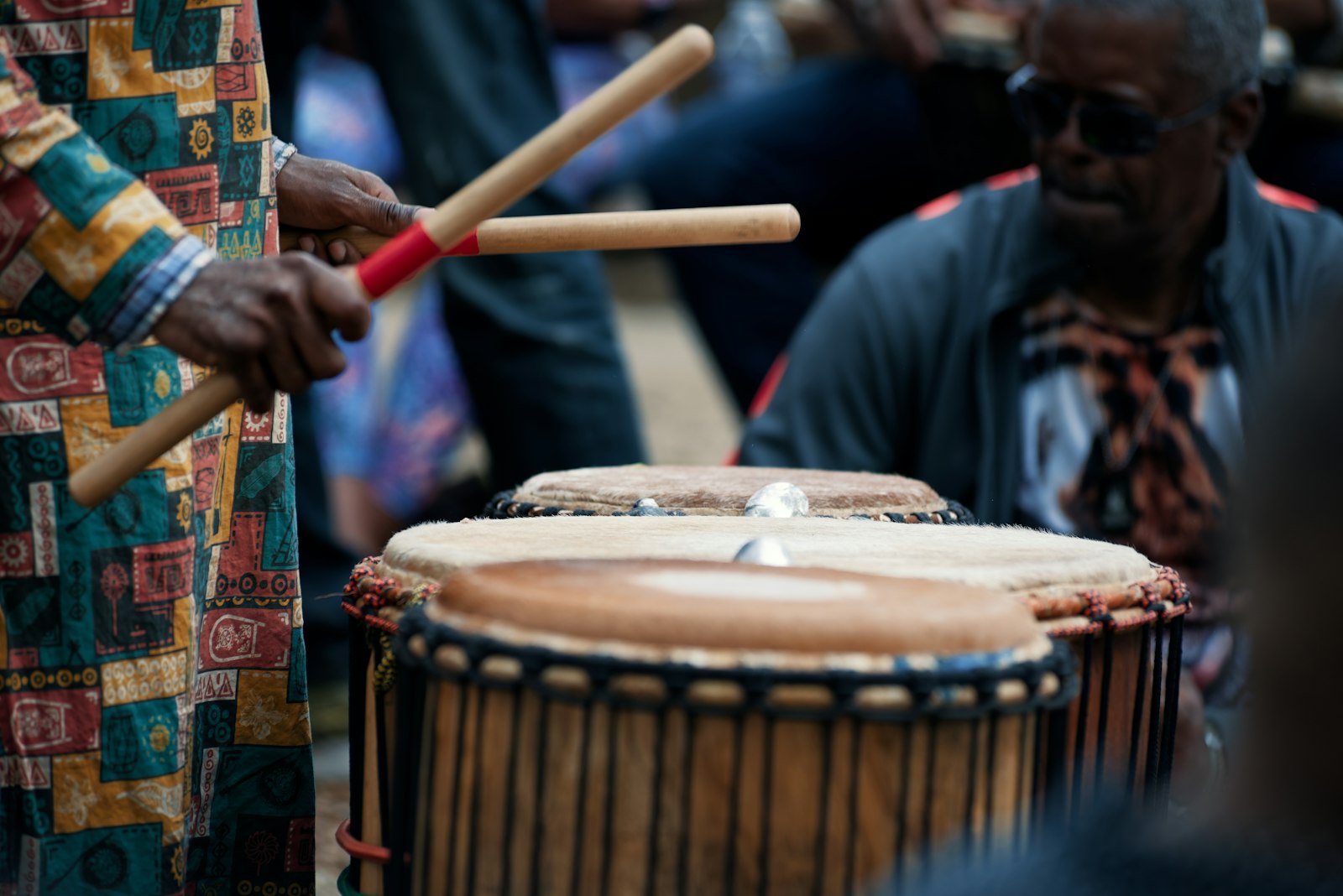
There is something primal and deeply satisfying about the sound of a drum. Whether it is the deep bass of a djembe or the sharp, metallic snap of a doumbek, hand drumming connects us to a pulse that predates written history. If you have been searching for "hand drumming groups near me," you are likely looking for more than just a musical hobby; you are looking for community, stress relief, and a way to express yourself.
Finding a local rhythm community can feel intimidating if you do not know where to start. However, the world of hand drumming is famously inclusive. From spiritual full-moon gatherings to structured beginner classes, there is a seat—and a drum—waiting for you.
Why Join a Local Hand Drumming Group?
Drumming in a group setting offers benefits that solo practice simply cannot match. When you sit in a circle, you are participating in a conversation without words. The collective energy of twenty or thirty people hitting a synchronized beat creates a physiological state often called "rhythmic entrainment."
Beyond the physical buzz, joining a group helps you:
- Improve Your Timing: Playing along with others forces you to hold a steady tempo.
- Learn New Patterns: Exposure to different styles, from West African 6/8 rhythms to Middle Eastern Taksim, expands your musical vocabulary.
- Reduce Stress: Studies show that group drumming can lower cortisol levels and boost the immune system.
- Build Friendships: Drum circles are diverse spaces where people from all walks of life connect through a shared pulse.
Types of Hand Drumming Groups You Will Encounter
Not all drumming groups are the same. Understanding the different formats will help you find the right fit for your personality and goals.
Community Drum Circles
These are often free or low-cost events held in parks, community centers, or on beaches. They are usually "facilitated," meaning a leader helps guide the energy and keeps the rhythm from descending into chaos. These are perfect for those searching for local drum circles that are family-friendly and welcoming to all skill levels.
Instructional Classes and Schools
If you want to master the technique of the conga, djembe, or frame drum, you might prefer a structured environment. Many drum schools offer group classes where the focus is on traditional rhythms, proper hand placement (slap, tone, and bass), and cultural history.
Performance Ensembles
These are more advanced groups that rehearse specific arrangements for public performance. They often incorporate dununs (cylindrical drums played with sticks) and bells to create a layered, polyrhythmic sound.
Essential Hand Drumming Etiquette for Beginners
Before you head out to your first gathering, it is helpful to know the unwritten rules of the circle. Most groups are very forgiving, but following these tips will ensure you are respected by the regulars:
- Ask Before You Play Someone Else’s Drum: Many drummers view their instruments as sacred or personal extensions of themselves. Always ask before trying out a drum that isn't yours.
- Listen More Than You Play: When you first join, play softly. Listen to the "heartbeat" (the main pulse) and try to lock in before adding complex flourishes.
- Support the Groove: The goal is not to be the loudest person in the room. The goal is to make the group sound better. If the rhythm gets messy, return to a simple bass-and-tone pattern.
- Respect the Facilitator: If a facilitator uses a signal to stop (often a raised hand or a specific rhythmic cue), stop immediately. Silence is a vital part of the music.
What Instruments Should You Bring?
While many community groups provide extra instruments, eventually you will want your own. The most common drums you will see include:
- Djembe: The most popular choice for circles due to its wide range of sounds.
- Congas: Common in Afro-Cuban and Latin-influenced groups.
- Bongos: Great for high-pitched accents and easy portability.
- Frame Drums: Often used in more meditative or melodic drumming styles.
- Doumbek/Darbuka: The go-to for Middle Eastern rhythms.
If you are not ready to commit to a drum, a simple shaker or a woodblock can be a great way to contribute to the texture of the music without the heavy lifting.
How to Find the Best Hand Drumming Groups Near You
Finding a group is easier than it used to be, but it still requires a bit of legwork. Here are the best places to look:
- Online Directories: Specialized sites like the Drum Circle Directory allow you to search by zip code for facilitators and events in your area.
- Music Stores: Local independent music shops often have bulletin boards where teachers post their class schedules.
- Community Centers and Yoga Studios: These venues frequently host "rhythm wellness" or meditative drumming sessions.
- Social Media Groups: Search for "Drum Circle" or "Hand Drumming" plus your city name on platforms like Facebook or Meetup.
Taking the Next Step in Your Drumming Journey
Once you have attended a few local circles, you might find yourself wanting to dive deeper. This is where drumming retreats come into play. These are immersive experiences—often held in beautiful natural settings—where you can spend several days learning from master drummers, eating communal meals, and drumming around a bonfire until the early hours of the morning.
If you prefer one-on-one attention to fix your technique, reaching out to drum teachers for private lessons can accelerate your progress significantly. A teacher can help you avoid common injuries like wrist strain and ensure your "slaps" are crisp and clear.
Find a drum circle near you at /drum-circles.
Frequently asked
- Do I need to own a drum to join a hand drumming group?
- Not necessarily. Many community drum circles and facilitated events provide 'loaner' instruments for newcomers. However, it is always a good idea to check the event description or message the organizer beforehand to ensure they have enough drums to go around.
- What is the difference between a drum circle and a drum class?
- A drum circle is generally an improvisational, community-focused gathering where the goal is social connection and collective rhythm. A drum class is an instructional environment led by a teacher who focuses on specific techniques, traditional rhythms, and cultural context.
- Are hand drumming groups beginner-friendly?
- Yes, the vast majority of community hand drumming groups are very welcoming to beginners. Most facilitators will guide the group through basic patterns that allow even someone who has never touched a drum to participate and feel successful immediately.
Find a drum circle near you
Browse hundreds of circles, teachers and rhythm community gatherings.
Explore drum circles