
The Hippie Drum Circle Asheville Guide: Rhythm in Pritchard
Experience the heartbeat of the Blue Ridge Mountains with our deep dive into the legendary Asheville drum circle scene.
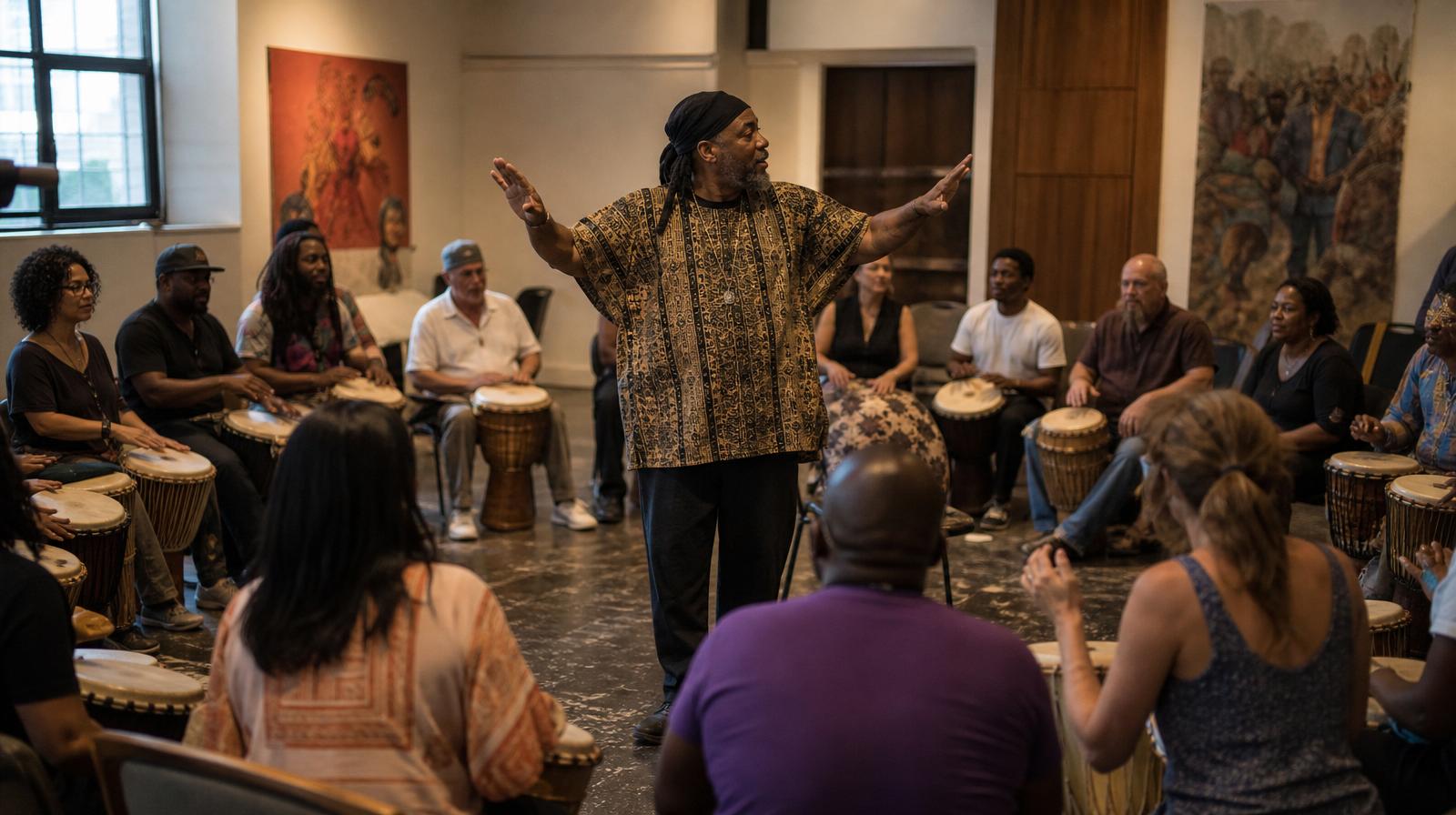
If you find yourself in downtown Asheville, North Carolina, on a Friday evening between April and October, you don’t need a map to find the heart of the city. You only need to follow your ears. The steady, resonant pulse of the hippie drum circle Asheville is famous for echoes through the brick-lined streets, drawing locals and travelers alike into a singular, rhythmic embrace.
For decades, this gathering has served as the unofficial kickoff to the weekend. It is more than just a musical performance; it is a living, breathing example of community synergy. Whether you are a seasoned percussionist with a professional djembe or a curious traveler hoping to soak up the mountain vibes, the Asheville drum circle offers a unique window into the soul of the Blue Ridge.
The History of the Pritchard Park Drum Circle
What many now call the "hippie drum circle Asheville" began modestly in the mid-1990s. It didn't start as a sanctioned city event, but as a grassroots meeting of drummers who wanted to share space and sound. Over time, the gathering grew from a few people on a street corner to hundreds of participants filling the amphitheater-style seating of Pritchard Park.
The park itself, located at the intersection of Patton and College Streets, was redesigned in the early 2000s with these gatherings in mind. Today, the circle is a symbol of Asheville’s "Keep Asheville Weird" mantra, representing a commitment to public art, inclusivity, and the preservation of counter-culture roots in an ever-changing city.
What to Expect: The Sights and Sounds
As the sun begins to dip behind the mountains, the first few beats emerge. Early arrivals often include elders of the drumming community and street performers. By 6:00 PM or 7:00 PM, the circle is in full swing.
You will see an incredible diversity of instruments, including:
- Djembes: The most common drum, known for its deep bass and sharp slaps.
- Ashikos: Tapered wooden drums that provide a warm, earthy tone.
- Dunun: The large, cylindrical drums that provide the "heartbeat" or foundational rhythm.
- Hand Pans and Tongue Drums: Providing melodic, ethereal overlays to the heavy percussion.
- Congas and Bongos: Adding a Latin flair to the Appalachian groove.
Beyond the instruments, the circle is a visual feast. Flow artists with hula hoops, belly dancers, and children dancing in the center create a kinetic energy that is infectious. The air is often thick with the scent of sage and the collective joy of people from all walks of life—business professionals in suits standing next to backpackers with dreadlocks.
Etiquette for the Asheville Drum Circle
While the atmosphere is free-spirited, the most successful participants follow a few unwritten rules of drum circle etiquette. If you plan to jump in, keep these tips in mind:
- Listen First: Before you strike your drum, listen to the established rhythm for at least a minute. Find the "one" (the downbeat) and try to support it rather than playing over it.
- Leave Space: A drum circle is a conversation, not a monologue. You don’t need to play on every single beat. Leaving "holes" in the rhythm allows other instruments, like the subtle ring of a cowbell or the shake of a maraca, to be heard.
- Respect the Center: The center of the circle is for dancers and flow artists. Keep the inner ring clear so the energy can circulate.
- Ask Before Borrowing: Asheville drummers are generally friendly, but their instruments are often expensive, handcrafted tools. Always ask before picking up someone else’s drum or percussion toy.
How to Get Involved
You don't have to be an expert to participate. If you don't own a drum, you can often find someone with an extra shaker or cowbell willing to share. For those who want to hone their skills before joining the public fray, seeking out local drum teachers can provide you with the technique needed to play for hours without fatiguing your hands.
If you find that the Friday night energy is a bit too intense for your first time, Asheville also hosts smaller, more focused events throughout the year, including full moon circles and indoor gatherings during the winter months. Many of these are organized by local drum schools that focus on traditional West African or Afro-Cuban rhythms.
The Healing Power of the Beat
Why has the hippie drum circle Asheville remained so popular for over twenty years? The answer lies in the science of rhythm. Group drumming has been shown to reduce stress, boost the immune system, and create a sense of social belonging. In a world that is increasingly digital and isolated, the physical act of vibrating the air in unison with fifty other people is a powerful tonic.
For many regulars, the Friday night circle is a form of weekly therapy. The repetitive motion of the hands and the wall of sound create a meditative state, often referred to as "entrainment." This is where the individual ego fades away, and the group functions as a single musical organism.
Planning Your Visit
If you are traveling to North Carolina specifically for the rhythm scene, consider looking into drumming retreats in the surrounding Blue Ridge Mountains. These retreats often combine the intensity of the downtown circle with the serenity of the forest.
- When: Every Friday night (weather permitting), typically April through October.
- Time: Usually starts around 6:00 PM and ends by 10:00 PM due to city noise ordinances.
- Cost: Free! However, many street performers in the surrounding area play for tips, so carrying a little cash is a nice gesture.
- Parking: Downtown parking garages (like the one on Wall Street) are your best bet, as street parking fills up fast.
Whether you come to play, dance, or simply observe from the stone benches, the Asheville drum circle is an experience that stays with you long after the final beat fades into the night.
Frequently asked
- What time does the Asheville drum circle start?
- The drum circle in Pritchard Park typically begins between 6:00 PM and 7:00 PM every Friday night during the warmer months (April through October). It usually winds down around 10:00 PM to comply with local noise ordinances.
- Can anyone join the drum circle in Asheville?
- Yes, the circle is open to everyone regardless of skill level. Beginners are encouraged to start with simple rhythms or small percussion instruments like shakers, while dancers and spectators are always welcome in the surrounding area.
- Is the Asheville drum circle family-friendly?
- Absolutely. The gathering is a multi-generational event where you will see toddlers dancing alongside retirees. It is a vibrant, inclusive environment, though it can get quite loud, so ear protection for very young children is recommended.
- Do I need to bring my own drum to Pritchard Park?
- While most participants bring their own djembes or congas, it isn't strictly necessary. You can enjoy the event by dancing or watching, and occasionally friendly locals may have an extra percussion instrument to share.
Find a drum circle near you
Browse hundreds of circles, teachers and rhythm community gatherings.
Explore drum circles