
How Drum Shops Reach Buyers Searching for Djembes & Congas
The buying journey for hand percussion is different from drum kits. Most shops market the wrong way and miss buyers entirely.
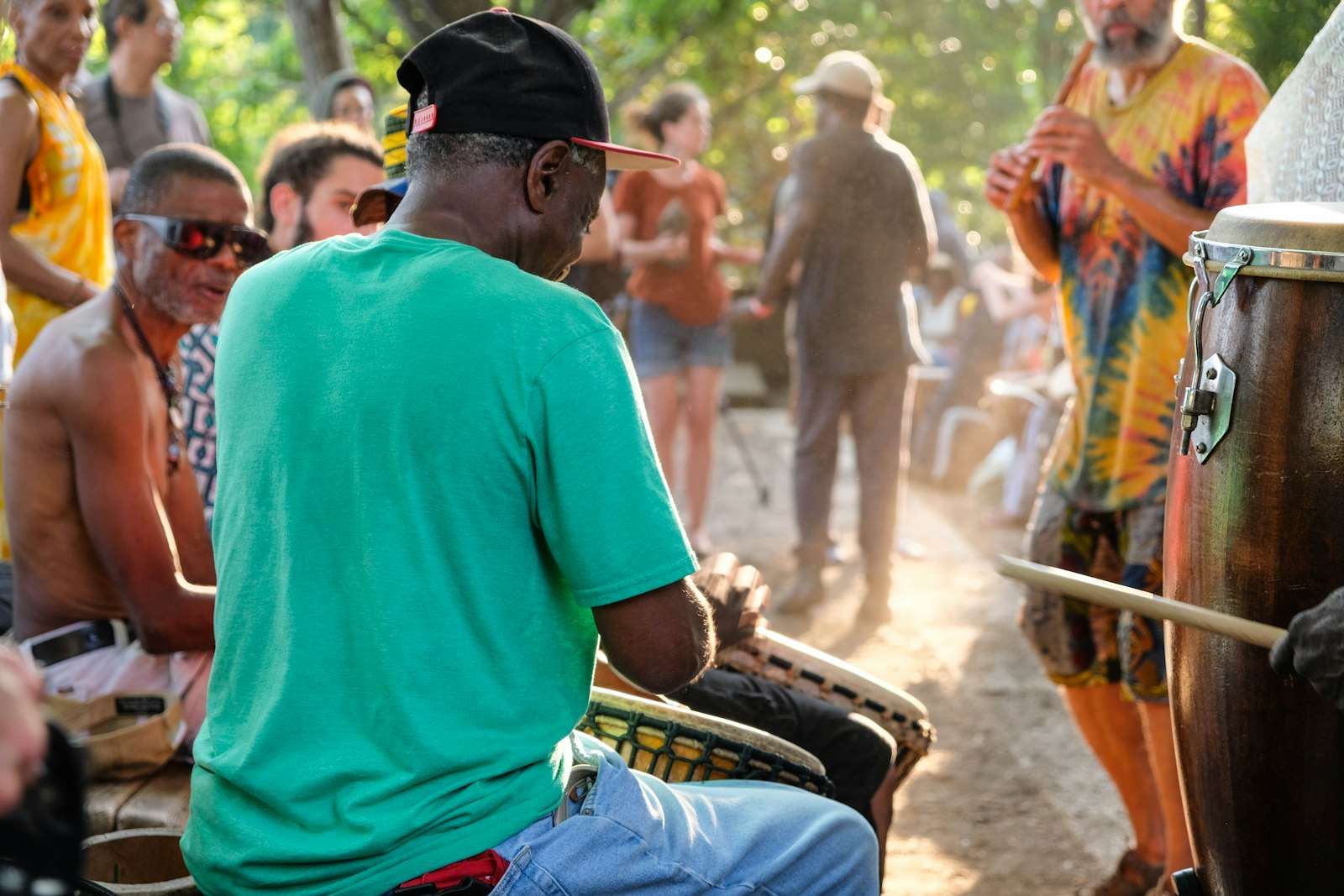
The buying journey for hand percussion is nothing like the buying journey for drum kits. Kit buyers know the brand they want. Hand-percussion buyers are usually researching — comparing djembes vs congas, looking up rope-tuned vs synthetic-head, asking which size suits their stature.
If your shop's marketing doesn't meet them at that research stage, you lose the sale to whoever does.
Where buyers actually research
- "What size djembe should I buy" — typed into Google
- "Djembe vs conga for beginners" — typed into Google
- "Best frame drum brands" — typed into Google
- "Where to buy a djembe near me" — typed into Google
Notice the pattern: search-driven, intent-driven, information-driven. They're not scrolling Facebook hoping a djembe ad appears.
How to show up in those moments
1. A niche directory listing — ranks for "where to buy" and "drum shop near me" style searches the moment it goes live. This is the fastest path to being found. Drum Circle Directory's drum-shop hub is built for this.
2. A buyer's guide on your own site — write one article per question above. Link to the products you sell. Builds long-term SEO equity.
3. A Google Business Profile — wins the "drum shop near me" map pack for free.
4. Honest, comparison-style content — buyers trust shops that explain trade-offs (rope vs key, goat vs synthetic) instead of just pushing the highest-margin item.
What to skip
- Generic "buy now" ads aimed at cold audiences
- "Music store" directories that don't segment by instrument
- Stock photos of generic drums (use your real inventory)
Meet buyers at the research stage with useful content + a niche directory listing. You'll convert 5–10x better than any cold ad campaign.
Frequently asked
- How do drum shops effectively market djembes and congas?
- Drum shops can effectively market djembes and congas by understanding the unique buying journey of hand percussionists. This often involves targeting specific cultural and musical communities rather than general drum kit buyers. Highlighting the instruments' cultural origins and sound qualities can attract interested buyers.
- What is the typical buying journey for someone looking for a djembe or conga?
- The typical buying journey for a djembe or conga often starts with an interest in world music, drumming circles, or specific cultural traditions. Buyers frequently research the instrument's origin, wood type, and head material. They may also seek recommendations from experienced players or instructors within their community.
- Why is marketing hand percussion different from marketing drum kits?
- Marketing hand percussion, like djembes and congas, differs from drum kits due to the distinct buyer demographics and motivations. Hand percussion often appeals to niche communities and those interested in traditional or world music, whereas drum kits are typically sought by rock, jazz, or pop musicians. Messaging should reflect cultural context and sound nuance for hand drums.
- What information do djembe and conga buyers look for online?
- Djembe and conga buyers often look for details on the instrument's craftsmanship, wood species, drumhead material (e.g., goat skin, steer hide), and the country of origin. Sound samples and videos demonstrating various playing techniques are also highly valued. Reviews and testimonials from other hand percussionists are frequently consulted.
- How can drum shops reach specific communities interested in hand percussion?
- Drum shops can reach specific communities by partnering with drumming circle organizers, world music instructors, and cultural centers. Participating in local festivals or workshops focused on world music can also provide direct engagement opportunities. Online, targeting interest-based groups on social media can be highly effective.
Find a drum circle near you
Browse hundreds of circles, teachers and rhythm community gatherings.
Explore drum circles