How to Start a Drum Circle: The Ultimate Community Guide
Ready to bring the rhythm to your neighborhood? Learn the essential steps to organize, facilitate, and grow a thriving community drum circle from scratch.
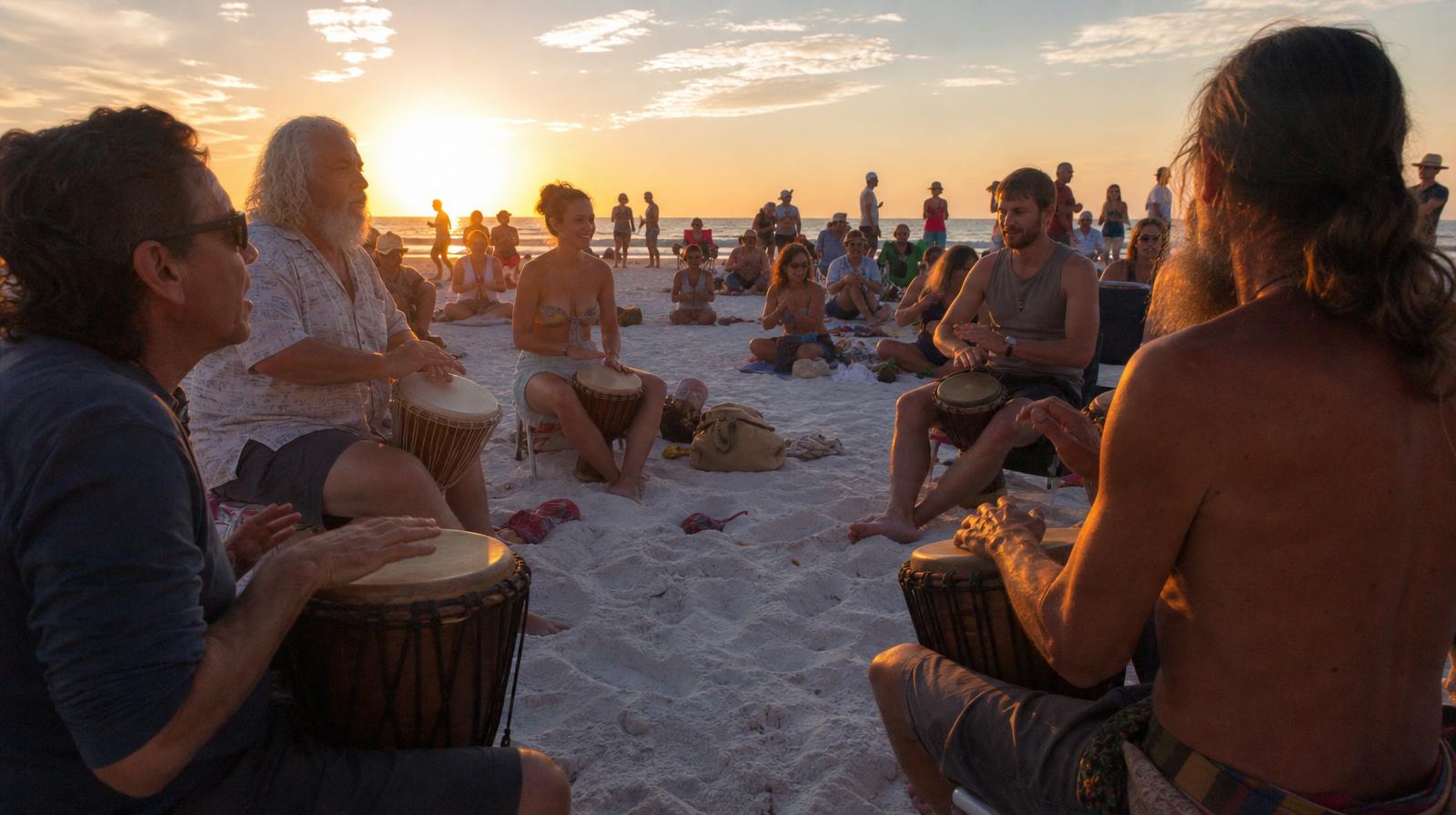
There is something primal and profoundly healing about the sound of a drum. When people gather in a circle to share a pulse, the barriers of language, age, and background melt away. Starting a drum circle is one of the most rewarding ways to build community, reduce stress, and celebrate the universal language of rhythm.
Whether you are a seasoned percussionist or a hobbyist who just bought their first djembe, you have the power to create a space for rhythmic expression. This guide will walk you through the logistics, the instruments, and the heart-centered approach needed to launch a successful gathering.
1. Define Your Vision and Format
Before you scout for a location, you need to decide what kind of circle you want to host. Drum circles generally fall into three categories:
- The Facilitated Circle: A leader (facilitator) uses body language and verbal cues to guide the group through transitions, dynamics, and call-and-response patterns. This is ideal for beginners.
- The Free-Form Jam: A more organic experience where rhythms evolve naturally without a central leader. This works well for experienced players.
- The Culturally Specific Circle: Focused on specific traditions, such as West African Malinke drumming or Afro-Cuban rhythms. These often require finding drum teachers to ensure cultural respect and technical accuracy.
Consider your audience. Will this be a family-friendly event at a local park, a meditative full-moon gathering, or a high-energy therapeutic session?
2. Finding the Perfect Venue
Location is everything. You need a space that is accessible, comfortable, and—most importantly—drum-friendly. Sound carries, so you must be mindful of local noise ordinances.
- Public Parks: Great for visibility and community vibes, but usually require a permit for amplified sound or large groups.
- Community Centers & Churches: Often have affordable rooms for rent and are accustomed to hosting community groups.
- Yoga Studios & Wellness Centers: These spaces usually have great acoustics and an audience already interested in the healing power of sound.
- Music Schools: If you are looking for a professional environment, check local drum schools to see if they offer community space rentals.
3. Gathering the Essential Instruments
While many attendees will bring their own gear, a successful organizer usually provides a "loaner pile." This ensures that curious passersby can join in the fun. Aim for a variety of sounds:
- The Bass: Large djembes, dununs, or even a surdo provide the heartbeat of the circle.
- The Mid-Range: Congas, doumbeks, and frame drums offer melodic textures.
- The High-End (Toys): Shakers, cowbells, woodblocks, and tambourines are essential. They allow people who feel intimidated by a large drum to participate immediately.
Encourage participants to explore different textures. A circle made entirely of djembes can be overwhelming; adding the "click" of a woodblock or the "shimmer" of a shekere adds much-needed sonic space.
4. Basic Drum Circle Etiquette
To keep the rhythm flowing, it is helpful to establish a few "ground rules" at the start of your event. This ensures everyone feels safe and heard.
- Listen as much as you play: Encourage players to leave space for others.
- Support the beat: The goal isn't to show off solo skills, but to contribute to the collective groove.
- Ask before playing someone else’s drum: Instruments are often personal and expensive.
- Follow the facilitator: If someone is leading, give them your attention during transitions.
5. Facilitation Tips for Beginners
If you are taking on the role of facilitator, your job is to serve the rhythm, not to be the star. Start with a simple "heartbeat" pulse (one-two, one-two). Once the group is locked in, you can introduce a basic call-and-response.
Use your body to communicate. A raised hand usually signals a crescendo, while lowering your hands suggests playing more quietly. To end a song, use a clear "sculpting" motion or a four-beat countdown to a synchronized final hit.
6. Promoting Your Circle
Once you have a time and place, you need to get the word out. Social media is helpful, but local community boards and flyers in music shops are still incredibly effective.
Consistent scheduling is the secret to growth. Whether it is the first Saturday of the month or every Tuesday evening, sticking to a routine helps people make your circle a part of their lives. You can also list your recurring gatherings under local events to reach a wider audience of rhythm seekers.
7. Growing the Community
As your circle grows, you might consider inviting guest teachers for workshops or organizing drumming retreats to deepen the group's practice. Remember that the heart of a drum circle is inclusivity. Welcome the person who can't find the beat just as warmly as the master percussionist. When the rhythm clicks and the whole room is breathing together, you’ll know you’ve succeeded.
Find a drum circle near you at /drum-circles.
Frequently asked
- Do I need to be a professional drummer to start a drum circle?
- Not at all. While musical knowledge helps, the primary role of an organizer is to hold space and facilitate community connection. Many successful circles are started by hobbyists who simply want to share the joy of rhythm with their neighbors.
- What is the best drum for a beginner to bring to a circle?
- The djembe is the most popular choice because it is versatile, portable, and offers a wide range of tones (bass, tone, and slap). However, frame drums and even simple shakers are excellent entry points for those new to hand drumming.
- How do I handle someone who is playing too loud or off-beat?
- A gentle approach is best. As a facilitator, you can move closer to them and model the correct volume or tempo with your own drum. Often, making eye contact and smiling while emphasizing the main pulse will help them lock back into the group groove.
Find a drum circle near you
Browse hundreds of circles, teachers and rhythm community gatherings.
Explore drum circles