How to Find a Drum Circle Near Me: The Ultimate Guide
Discover the vibrant world of community rhythm and learn exactly where to find local drum circles that welcome your unique beat.
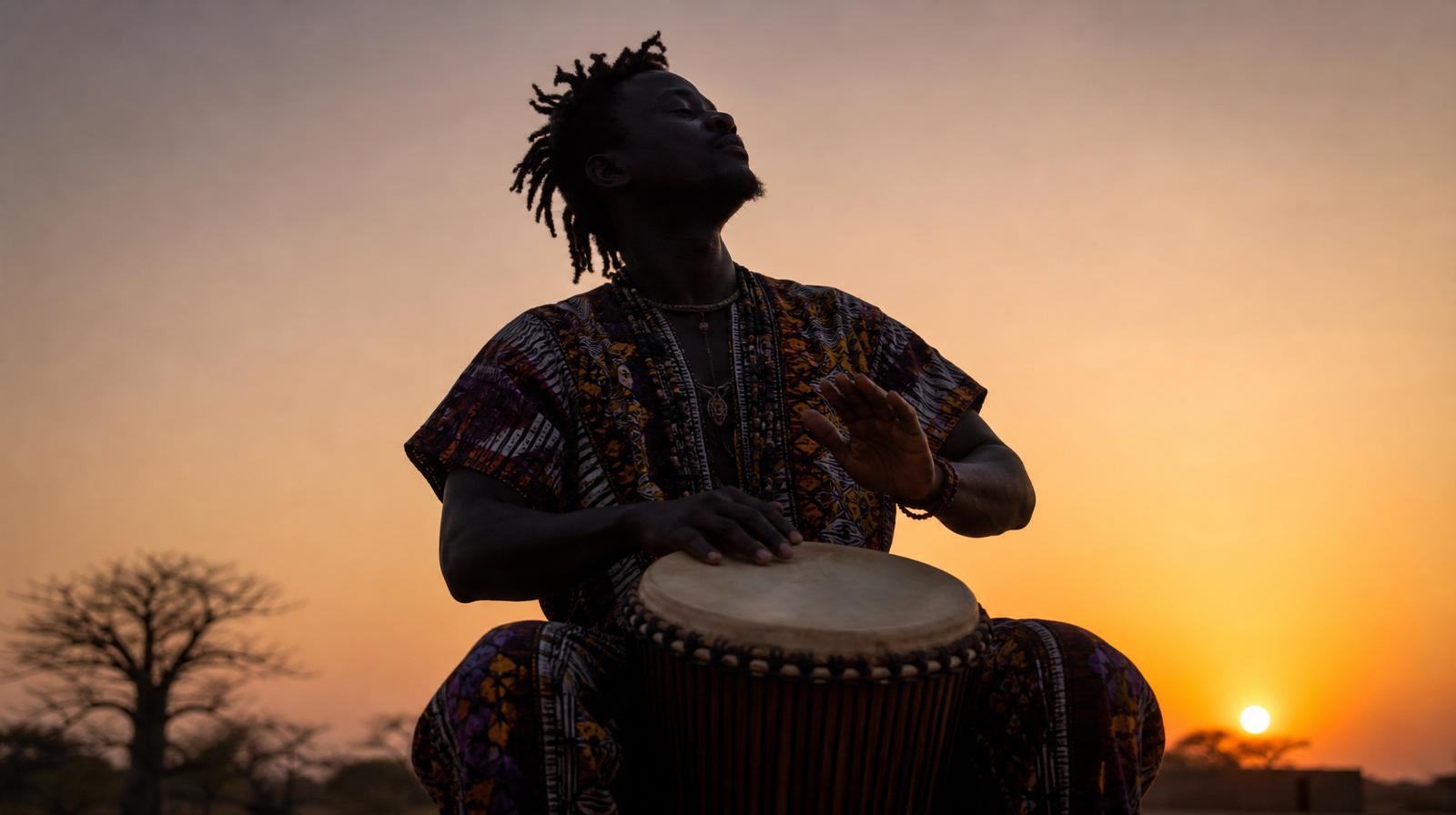
There is a primal magic that happens when a group of people comes together to strike a skin or wood surface in unison. Whether it is the deep thrum of a djembe or the sharp pop of a doumbek, the act of drumming in a community is one of the oldest forms of human connection. If you have found yourself searching for "how to find a drum circle near me," you are likely looking for more than just a musical hobby—you are looking for a tribe.
Finding a local rhythm community might seem daunting if you don't know where to look, but drum circles are more common than you think. From public parks and community centers to spiritual retreats and dedicated music schools, the beat is everywhere.
Understanding the Different Types of Drum Circles
Before you head out with your conga or frame drum, it is helpful to know what kind of environment you are entering. Not all drum circles are created equal, and finding the right fit for your personality is key to a great experience.
- Community/Open Circles: These are often informal gatherings in public spaces like beaches or parks. They are usually free, family-friendly, and open to all skill levels. The focus is on the joy of playing rather than technical perfection.
- Facilitated Drum Circles: In these sessions, a trained facilitator guides the group. They might use hand signals to change the tempo, lead call-and-response patterns, or help beginners find their rhythm. These are excellent for those who feel a bit nervous about jumping in.
- Culturally Specific Circles: Some groups focus specifically on West African rhythms (using djembes and dununs) or Middle Eastern patterns (using the doumbek or riq). These often involve a higher level of technical study.
- Spirituality and Healing Circles: Many find drumming to be a form of meditation. Full-moon drum circles or wellness-focused gatherings prioritize the therapeutic benefits of rhythm over performance.
Where to Search for Local Rhythm Communities
When you are ready to stop searching online and start playing, there are several reliable places to look for a gathering.
1. Dedicated Online Directories
Specific niche directories are often the most accurate way to find active groups. Instead of generic search engine results that might show defunct groups, using a dedicated drum circle directory allows you to filter by location and see current listings maintained by the facilitators themselves.
2. Music Schools and Local Teachers
Many drum schools host monthly "jam sessions" or student showcases that are open to the public. Even if they don't host a circle, local drum teachers are usually the most well-connected people in the local scene and can point you toward the best weekly meetups.
3. Community Centers and Parks
Check the event calendars for your local parks and recreation department. Many cities host sunset drum circles during the summer months. These are often the most accessible "entry points" for beginners.
4. Holistic and Wellness Spaces
Yoga studios, meditation centers, and sound healing practitioners frequently host rhythm events. These are often listed under drumming retreats or special wellness workshops.
Essential Drum Circle Etiquette for Beginners
If you have finally found a circle near you, you might feel a flicker of "drummer’s stage fright." Don't worry—most circles are incredibly welcoming. Following a few simple rules of etiquette will help you blend in seamlessly:
- Ask Before Joining: If the circle has already started, wait for a natural lull and catch the eye of the facilitator or a regular member to ensure it's an open circle.
- Listen More Than You Play: When you first sit down, listen to the established rhythm for a few minutes. Find the "heartbeat" (the pulse) before adding your own beat.
- Respect the Instruments: Never play someone else's drum without asking. Many hand drums are professional-grade instruments and are deeply personal to their owners.
- Support the Groove: Avoid playing too loudly or trying to lead the rhythm if you are a beginner. Your job is to support the foundation laid by the experienced players.
- Watch the Facilitator: If there is a facilitator, keep one eye on them. They will use signals to bring the volume down or end a song together.
What Instrument Should You Bring?
You don't need a thousand-dollar instrument to participate in a local circle. In fact, many facilitated circles provide instruments for a small rental fee or for free. However, if you want to bring your own, here are the most common choices:
- Djembe: The most popular choice for community circles. It offers a wide range of sounds (bass, tone, and slap) and is relatively easy to carry.
- Congas: Great for a steady, melodic heartbeat, though they are heavier to transport.
- Frame Drums: Lightweight and portable, these are perfect for more meditative or spiritual circles.
- Small Percussion: If you aren't ready for a big drum, bring a shaker, a cowbell, or a tambourine. These "support instruments" are vital to the overall sound of the circle.
The Health and Social Benefits of Drumming
Finding a drum circle near you isn't just about music; it's about well-being. Peer-reviewed studies have shown that group drumming can reduce stress, lower blood pressure, and even boost the immune system. Beyond the physical, the social aspect of a drum circle provides a sense of belonging that is often missing in our digital-first world.
In a circle, there is no hierarchy. The CEO sits next to the student, and the retiree sits next to the teenager. Everyone is contributing to a singular, beautiful moment of sound. This "rhythmic entrainment" helps synchronize our brainwaves and creates a profound sense of peace.
Planning Your First Visit
Before you head out to your first event, check the events page of the group you found to confirm the time and location. It is also a good idea to bring a small folding chair (if the venue doesn't provide seating) and plenty of water. Most importantly, bring an open heart and a willingness to make mistakes. In a drum circle, there are no "wrong" notes—only variations on the rhythm.
Ready to find your beat? Whether you are looking for a high-energy beach jam or a quiet meditative circle, the community is waiting for you.
Find a drum circle near you at our Drum Circle Directory.
Frequently asked
- Do I need to know how to play drums to join a circle?
- Absolutely not. Most community drum circles are 'come as you are' events where beginners are welcomed. Facilitated circles are especially great for novices because the leader will guide you through basic rhythms and techniques.
- What should I wear to a drum circle?
- Wear comfortable, loose-fitting clothing that allows you to sit with a drum between your legs. Avoid wearing large rings or bracelets, as these can damage the drum head and hurt your hands while playing.
- Are drum circles kid-friendly?
- Many public and community drum circles are very family-friendly. However, it is always best to check the event description or contact the organizer beforehand to ensure the environment is appropriate for children.
- Is it okay to go to a drum circle alone?
- Yes! Drum circles are one of the easiest places to meet people. The shared activity of drumming breaks the ice immediately, and you will likely find yourself chatting with neighbors during the breaks between rhythms.
Find a drum circle near you
Browse hundreds of circles, teachers and rhythm community gatherings.
Explore drum circles