How to Join a Drum Circle: A Beginner’s Guide to Rhythm
Discover the joy of group rhythm with our comprehensive guide on finding your first circle, choosing an instrument, and mastering basic etiquette.
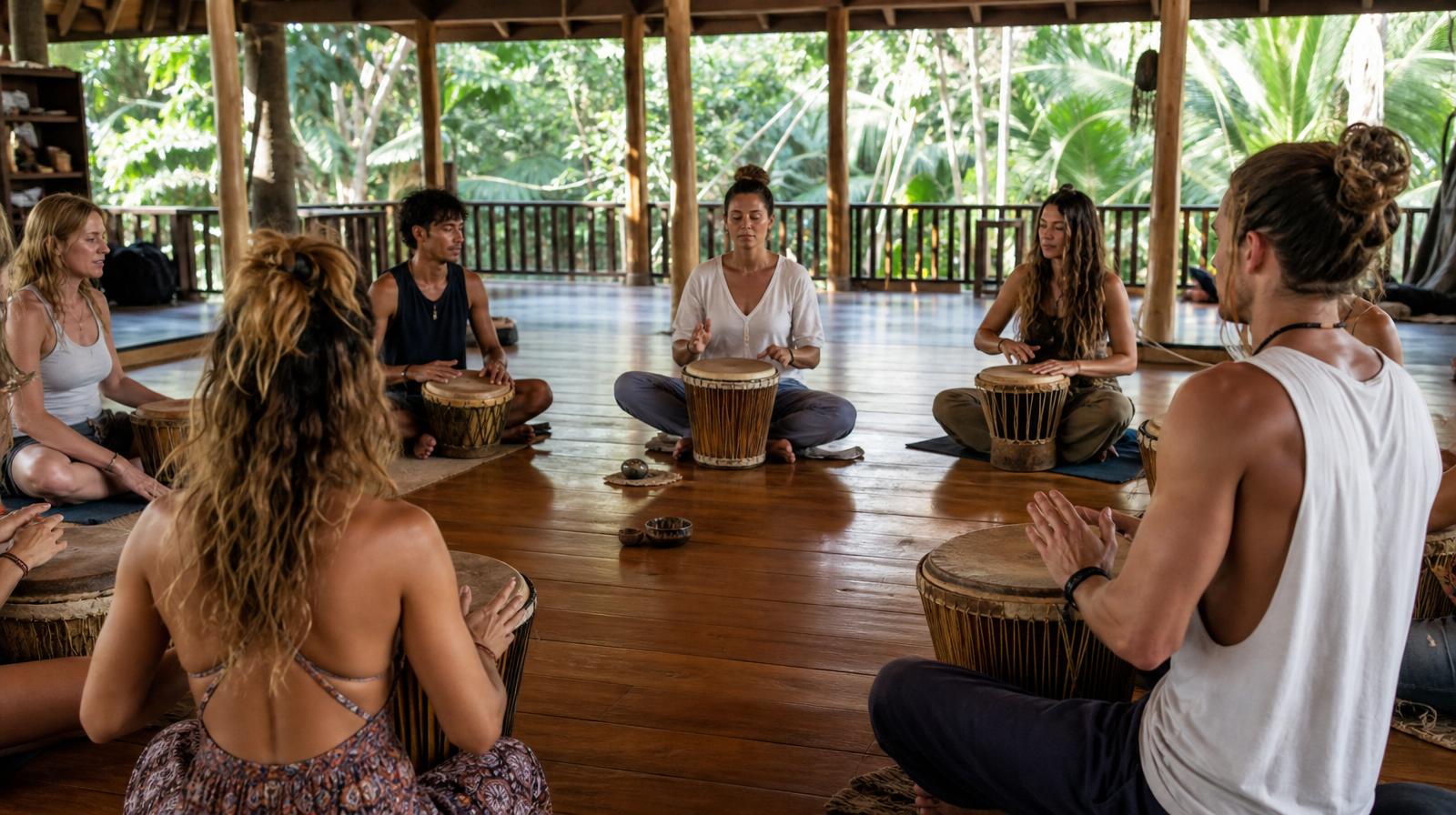
There is a unique magic that happens when a group of people comes together to create a spontaneous heartbeat. If you have ever walked through a park or along a beach and heard the distant, rhythmic thrum of djembes and congas, you have likely felt the pull of the drum circle. But for many, the transition from curious observer to active participant can feel a bit intimidating.
You might wonder: Do I need to be a professional musician? What if I don't have a drum? What are the unwritten rules? The truth is that drum circles are one of the most inclusive and accessible musical experiences on the planet. This guide will walk you through everything you need to know about how to join a drum circle and find your place in the rhythm.
Understanding the Different Types of Circles
Before you pack up your gear, it is helpful to know that not all drum circles are the same. Understanding the vibe of the gathering will help you feel more comfortable when you arrive.
- The Community Drum Circle: These are often facilitated by a leader who guides the rhythm using hand signals. They are highly inclusive, family-friendly, and perfect for beginners. The goal is unity and wellness rather than technical perfection.
- The Facilitated Circle: In these environments, a professional facilitator uses specific techniques to help the group find a "groove." These are common at drumming retreats or wellness workshops.
- The Jam Session: These are more organic and often less structured. They might happen at a full-moon gathering or a local park. While still inclusive, they rely more on participants listening to one another to maintain the beat.
Finding Your First Circle
The easiest way to start is by looking for established groups in your area. Many local parks, community centers, and spiritual hubs host monthly or weekly gatherings. If you are struggling to find a group by word-of-mouth, you can browse the Drum Circle Directory to find a verified list of community circles and facilitators near you.
Choosing Your First Instrument
You do not need a three-piece kit to join a circle. In fact, many circles are strictly for hand drums and percussion. Here are the most common instruments you will encounter:
- Djembe: The most popular choice. This goblet-shaped drum from West Africa offers three distinct sounds: bass, tone, and slap.
- Congas: Tall, narrow drums that provide a warm, melodic quality to the circle.
- Doumbek: A goblet drum from the Middle East, often played with the fingers for intricate, snappy rhythms.
- Frame Drums: Large, shallow drums like the Irish bodhrán or the Native American hoop drum, played with a mallet or hands.
- Dunun: Large cylindrical drums played with sticks, often providing the "heartbeat" or foundational pulse.
If you don't own a drum yet, don't worry. Many facilitators provide "loaner" instruments. You can also start with small percussion like shakers, tambourines, or woodblocks.
Basic Drum Circle Etiquette
To ensure everyone has a good time, there are a few "rules of the road" to keep in mind:
- Ask Before Playing Someone Else’s Drum: A drummer’s instrument is often a prized possession. Always ask for permission before trying out a drum that isn't yours.
- Listen More Than You Play: The secret to a great circle is listening. Try to find the "pocket" of the rhythm and support it rather than trying to play over everyone else.
- Support the Pulse: Beginners often find success by playing a simple, steady beat that aligns with the dununs or the bass notes of the djembes.
- Watch the Facilitator: If there is a leader in the center, keep an eye on them. They will use hand signals to indicate when to get louder, quieter, or when to stop (the "cut-off").
- Remove Jewelry: Rings, bracelets, and watches can damage the skin of the drum and hurt your hands. It's best to take them off before you start.
Overcoming "Rhythm Anxiety"
It is completely normal to feel a bit nervous the first time you sit down in the circle. Remember that a drum circle is not a performance; it is a conversation. There are no mistakes, only "variations." If you lose the beat, simply stop, listen for the pulse, and rejoin when you feel ready. Most long-time drummers are incredibly encouraging and will be happy to help you find the rhythm.
If you want to build your confidence before joining a large group, consider booking a few sessions with drum teachers who can show you basic hand techniques. Learning the difference between a bass stroke and a slap will make your experience much more physically comfortable.
The Benefits of Joining the Beat
Joining a drum circle is about more than just music; it is an investment in your well-being. Studies have shown that group drumming can reduce stress, boost the immune system, and create a profound sense of social connection. In a world that is increasingly digital, the tactile experience of skin hitting drumhead and the shared vibration of the group is a powerful way to ground yourself.
Taking the Next Step
Once you have attended a few circles, you might find yourself wanting to dive deeper. Many people transition from casual circles to formal drum schools to study specific traditions, such as West African Manding drumming or Afro-Cuban rhythms. You might even find yourself traveling to events and festivals dedicated entirely to the art of the drum.
Ready to find your rhythm?
Find a drum circle near you.
Frequently asked
- Do I need to bring my own drum to a circle?
- Not necessarily. Many community drum circles and facilitated events provide extra instruments for newcomers. However, it is always a good idea to check the event description or contact the organizer beforehand to see if 'loaner' drums are available.
- What if I have no musical experience or 'no rhythm'?
- Drum circles are designed to be inclusive of all skill levels. The beauty of a circle is that the collective sound supports the individual. If you can breathe, you have rhythm—the facilitator will help you find a simple part that fits perfectly into the group's sound.
- Is there an age limit for drum circles?
- Most community drum circles are multi-generational and family-friendly, welcoming everyone from toddlers to seniors. Some specific events might be geared toward adults or professional musicians, so it's best to check the specific 'Local Scene' listing for age recommendations.
Find a drum circle near you
Browse hundreds of circles, teachers and rhythm community gatherings.
Explore drum circles