
How to Play Hand Drums: A Beginner’s Guide to Rhythm
Discover the joy of rhythm with our comprehensive guide on how to play hand drums, covering essential techniques for djembe, congas, and more.
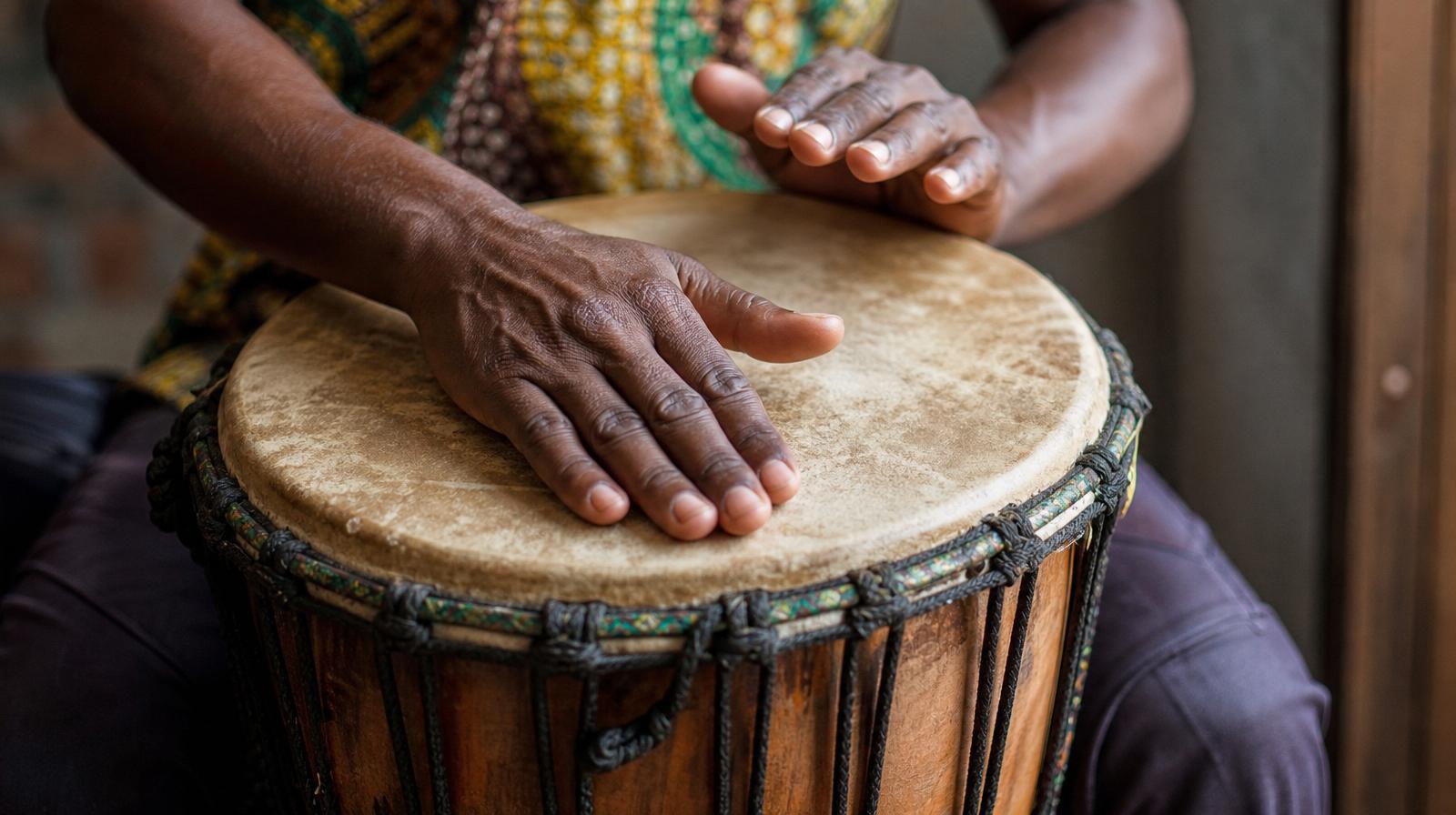
There is something primal and deeply fulfilling about striking a drum skin with your bare hands. Whether you are drawn to the resonant bass of a djembe, the sharp pop of a doumbek, or the melodic patterns of congas, hand drumming is an accessible gateway into the world of music. Unlike orchestral percussion, hand drumming is tactile, portable, and inherently social.
Learning how to play hand drums is not just about keeping time; it is about finding your voice within a community. At Drum Circle Directory, we believe everyone has a heartbeat, and therefore, everyone has rhythm. This guide will walk you through the fundamentals of hand drumming, from choosing your first instrument to mastering the three basic strokes that form the foundation of almost every tradition.
Choosing Your First Hand Drum
Before you can master the technique, you need an instrument that resonates with you. The world of hand percussion is vast, but most beginners start with one of these three staples:
- The Djembe: Originating from West Africa, the goblet-shaped djembe is perhaps the most popular drum in modern circles. It offers a wide range of sounds, from deep, earthy basses to high-pitched slaps.
- Congas: These tall, narrow Cuban drums are played in pairs or trios. They require a slightly different hand position but are essential for Latin rhythms like salsa and rumba.
- The Frame Drum: One of the oldest drum types, these are shallow and often played with the fingers. They are excellent for meditative rhythms and portable practice.
If you are unsure which to choose, consider visiting local drum schools to try different instruments before making a purchase.
Proper Posture and Positioning
How you sit determines how you sound. Poor posture leads to quick fatigue and can even cause repetitive strain injuries. To play effectively:
- Sit on the edge of your chair: Keep your back straight and your feet flat on the ground. Avoid chairs with arms, as they restrict your movement.
- Tilt the drum: If playing a djembe, tilt the drum away from you slightly and hold it between your knees. This allows the sound to escape from the bottom hole (the bell). If the drum sits flat on the floor, the sound will be muffled and "choked."
- Relax your shoulders: Tension is the enemy of rhythm. Keep your elbows loose and your wrists flexible.
The Three Essential Strokes
Regardless of the drum, almost all hand drumming revolves around three primary sounds: the Bass, the Tone, and the Slap. Mastering these is the secret to how to play hand drums with clarity.
1. The Bass
This is the heartbeat. To play a bass note, strike the center of the drum with your palm flat and your fingers together. Let your hand bounce off the skin immediately—think of the drum as a hot stove. If you leave your hand on the head, you will muffle the vibration.
2. The Tone
The tone is a full, round sound played at the edge of the drum. Keep your fingers together and strike the rim so that your knuckles are roughly aligned with the edge of the drum. Your palm should stay off the head, and your fingers should strike the skin as a single unit.
3. The Slap
The slap is the most challenging stroke to master but the most rewarding. It is a sharp, high-pitched crack. To achieve this, relax your hand and let your fingertips "whip" against the skin. Unlike the tone, your fingers should be slightly spread, allowing the pads of your fingers to snap against the drum head.
Developing Your Inner Metronome
Once you have the strokes down, it is time to work on timing. Start by practicing a simple "Call and Response." Imagine the drum is speaking. Play a four-beat pattern (e.g., Bass-Tone-Tone-Bass) and try to repeat it perfectly.
Many beginners find it helpful to work with professional drum teachers who can provide immediate feedback on their timing and technique. Practicing with a metronome is also highly recommended; start at a slow tempo (around 60 BPM) and only increase the speed once your strokes are consistent and clean.
Joining the Circle: Etiquette and Community
Hand drumming is a communal act. Once you feel comfortable with basic strokes, the best way to improve is to join a local gathering. However, drum circle etiquette is vital for a positive experience.
- Listen more than you play: Pay attention to the "pulse" started by the bass drummers (often playing the large dunun or heavy djembes).
- Support the groove: You don't need to play a complex solo. A steady, simple part that supports the group is always more appreciated than a loud, off-beat rhythm.
- Respect the space: Always ask before playing someone else’s drum, and be mindful of the volume levels, especially in indoor or family-friendly circles.
You can find a wide variety of upcoming rhythm events and community jams through our directory to put your new skills to the test.
Taking Your Practice Further
As you progress, you may want to explore specific cultural traditions, such as the complex polyrhythms of West Africa or the intricate finger-style techniques of the Middle Eastern doumbek. For those looking for an immersive experience, drumming retreats offer a chance to step away from daily life and focus entirely on your craft under the guidance of master drummers.
Remember, the journey of learning how to play hand drums is a marathon, not a sprint. Celebrate the small victories—the first time you hit a perfect slap or the first time you hold a steady beat for ten minutes straight.
Find a drum circle near you and start your rhythmic journey today!
Frequently asked
- Do I need to be musical to learn hand drumming?
- Not at all. Hand drumming is one of the most accessible forms of music. If you can walk in a steady rhythm or clap your hands, you already have the foundational skills needed to start playing.
- Does hand drumming hurt your hands?
- It shouldn't. If your hands hurt, it is usually a sign of improper technique or hitting the drum too hard. Focus on a relaxed 'bounce' stroke rather than a 'hitting' motion to prevent bruising and fatigue.
- What is the best drum for a total beginner?
- The djembe is widely considered the best starter drum because it is versatile, easy to transport, and has a very clear distinction between its three main sounds (bass, tone, and slap).
- How long does it take to learn how to play hand drums?
- You can learn the basic strokes in a single afternoon. However, developing the muscle memory to play fast, consistent rhythms usually takes a few months of regular practice, ideally 15-20 minutes a day.
Find a drum circle near you
Browse hundreds of circles, teachers and rhythm community gatherings.
Explore drum circles