Creating an Inclusive Drum Circle: A Guide to Radical
Discover how to foster an environment where every rhythm finds a home, regardless of skill level, age, or physical ability.
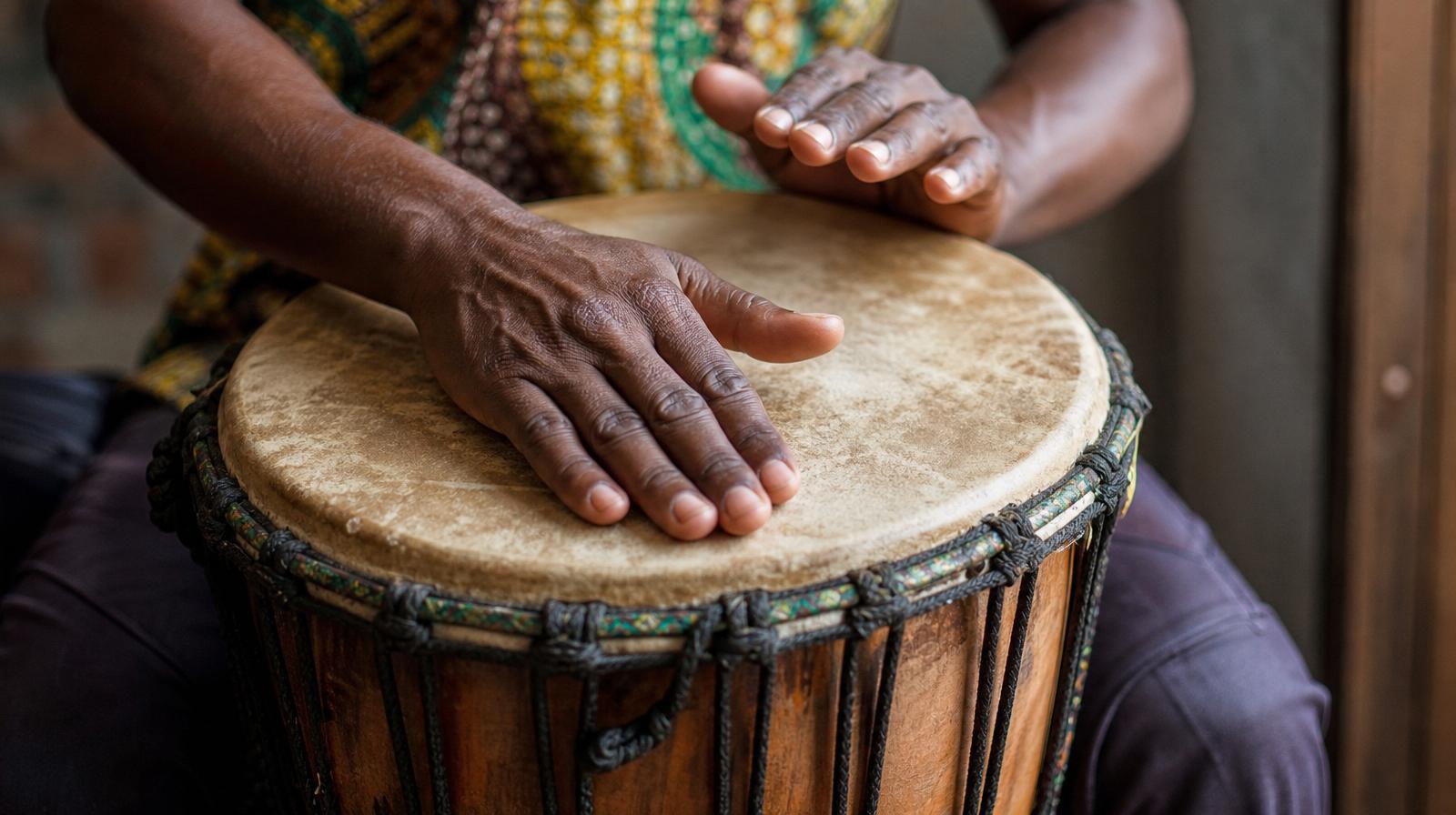
At its heart, drumming is the oldest form of social media. Long before digital notifications, the pulse of the hide and wood brought people together to share news, celebrate harvests, and heal the spirit. An inclusive drum circle takes this ancient foundation and expands it, ensuring that the circle is not a closed loop for experts, but an open embrace for every human being.
Inclusivity in drumming means more than just saying "everyone is welcome." It involves intentional design—from the choice of instruments like the djembe and frame drum to the physical layout of the space—to ensure that barriers are removed and every voice is heard.
What Defines an Inclusive Drum Circle?
An inclusive drum circle is a rhythm event designed to accommodate a wide spectrum of participants. This includes people of all ages, neurological profiles, physical abilities, and musical backgrounds. Unlike a performance or a strictly traditional class where a specific technique is the goal, an inclusive circle prioritizes connection over perfection.
In these spaces, a toddler with a shaker is just as vital to the groove as a master conga player. The focus shifts from "playing it right" to "playing it together." This sense of radical belonging is what makes drumming such a powerful tool for community building.
The Role of the Facilitator in Fostering Belonging
A skilled facilitator is the heartbeat of an inclusive circle. Their job is not to conduct a band, but to hold a safe container for expression. They use subtle cues, eye contact, and "call-and-response" patterns to bridge the gap between different skill levels.
Facilitators often use a variety of tools to ensure inclusivity:
- Visual Cues: Using hand signals for volume (crescendo and decrescendo) and stopping (the "cut") helps those with hearing impairments or those who find verbal instructions overwhelming.
- Low-Stakes Entry Points: Starting with a simple heartbeat pulse allows beginners to find their footing before complex syncopation begins.
- Validation: Acknowledging a unique rhythm played by a participant can empower someone who may feel hesitant about their musicality.
If you are looking to hone these skills, connecting with professional drum teachers who specialize in community facilitation can be a transformative step.
Accessibility: Physical and Sensory Considerations
True inclusivity requires looking at the physical environment through the lens of accessibility. If a person in a wheelchair cannot easily enter the circle, or if the volume is consistently too high for someone with sensory processing sensitivities, the circle is not truly inclusive.
- Physical Space: Ensure the venue has ramps and ample space between chairs for mobility devices. A "U-shape" or double-ring configuration can often provide more maneuverability than a tight single circle.
- Instrument Choice: Not everyone can straddle a heavy djembe. Providing lightweight frame drums, paddle drums, or instruments that can be played with a mallet (like a gathering drum) allows those with limited grip strength or mobility to participate fully.
- Volume Control: Encourage the use of "soft mallets" or provide earplugs at the entrance. Creating a "low-volume" zone within the circle can also help manage sensory input.
Choosing the Right Instruments for Everyone
In an inclusive drum circle, the variety of instruments should reflect the variety of the people. While the djembe is a staple for its range of tones (bass, tone, and slap), other instruments offer different tactile and sonic experiences:
- Dunun (Bass Drums): These provide the grounding heartbeat of the rhythm and are often played with sticks, which can be easier for some than using bare hands.
- Doumbek: For those who prefer a lighter touch and intricate fingerwork, these goblet drums are excellent.
- Small Percussion: Shakers, bells, and woodblocks are the "glue" of the rhythm. They are perfect for those who may feel intimidated by a large drum or who have physical limitations.
- Boomwhackers: These tuned percussion tubes are fantastic for family-friendly circles and can introduce melodic elements into the rhythmic landscape.
Etiquette for a Welcoming Environment
To maintain an inclusive atmosphere, a few "unspoken rules" help keep the energy positive and respectful. Whether you are attending a session at one of the many drumming retreats or a local park gathering, keep these in mind:
- Support, Don't Overpower: If you are an experienced player, use your skill to support the pulse. Avoid playing so loudly that you drown out the person next to you.
- Ask Before You Play: If you see someone's personal instrument, always ask before picking it up or joining in on their specific rhythm.
- Respect the Silence: The space between the beats is just as important as the beats themselves. Allow for moments of quiet and reflection.
- Welcome the Newcomer: If you see someone standing on the outskirts looking unsure, a simple smile or an invitation to grab a shaker can change their entire experience.
Health and Wellness Benefits of Inclusive Drumming
The therapeutic benefits of drumming are well-documented. For many, an inclusive drum circle is a form of active meditation. It reduces cortisol levels, releases endorphins, and can even boost the immune system.
Beyond the physiological, the social benefits are profound. For individuals who may experience isolation—such as seniors or those with disabilities—the drum circle provides a rare opportunity for non-verbal communication and synchronized group activity. It is a place where labels disappear, and everyone becomes a "drummer."
Finding and Building Your Community
If you are ready to experience the magic of a shared pulse, there are many ways to get involved. You might start by attending local events to see different facilitation styles in action. If you don't find a circle that meets your needs for inclusivity, consider starting your own. Many drum schools offer workshops on community drumming that can give you the foundational tools to lead.
Remember, an inclusive circle is a living organism. It grows and changes with its members. By prioritizing empathy, accessibility, and the simple joy of the beat, you can create a space where everyone feels they belong.
Find a drum circle near you by visiting our global directory at /drum-circles.
Frequently asked
- Do I need to own a drum to join an inclusive drum circle?
- Most inclusive drum circles provide a 'community bucket' of instruments, including djembes, shakers, and bells. However, it is always a good idea to check the event description or contact the facilitator beforehand to see if you should bring your own.
- Can children participate in these circles?
- Yes! Most inclusive circles are family-friendly and welcome all ages. Facilitators often encourage children to use smaller percussion instruments like shakers or tambourines to help them stay engaged without being overwhelmed by larger drums.
- What if I have no musical rhythm or experience?
- Inclusive drum circles are specifically designed for people with no prior experience. The facilitator will guide the group, and you'll find that by simply following the basic 'heartbeat' pulse, you are contributing perfectly to the collective sound.
Find a drum circle near you
Browse hundreds of circles, teachers and rhythm community gatherings.
Explore drum circles