Kids Drum Circle Guide: Rhythm, Play, and Community
Discover how kids drum circles foster creativity, teamwork, and confidence through the universal language of rhythm.
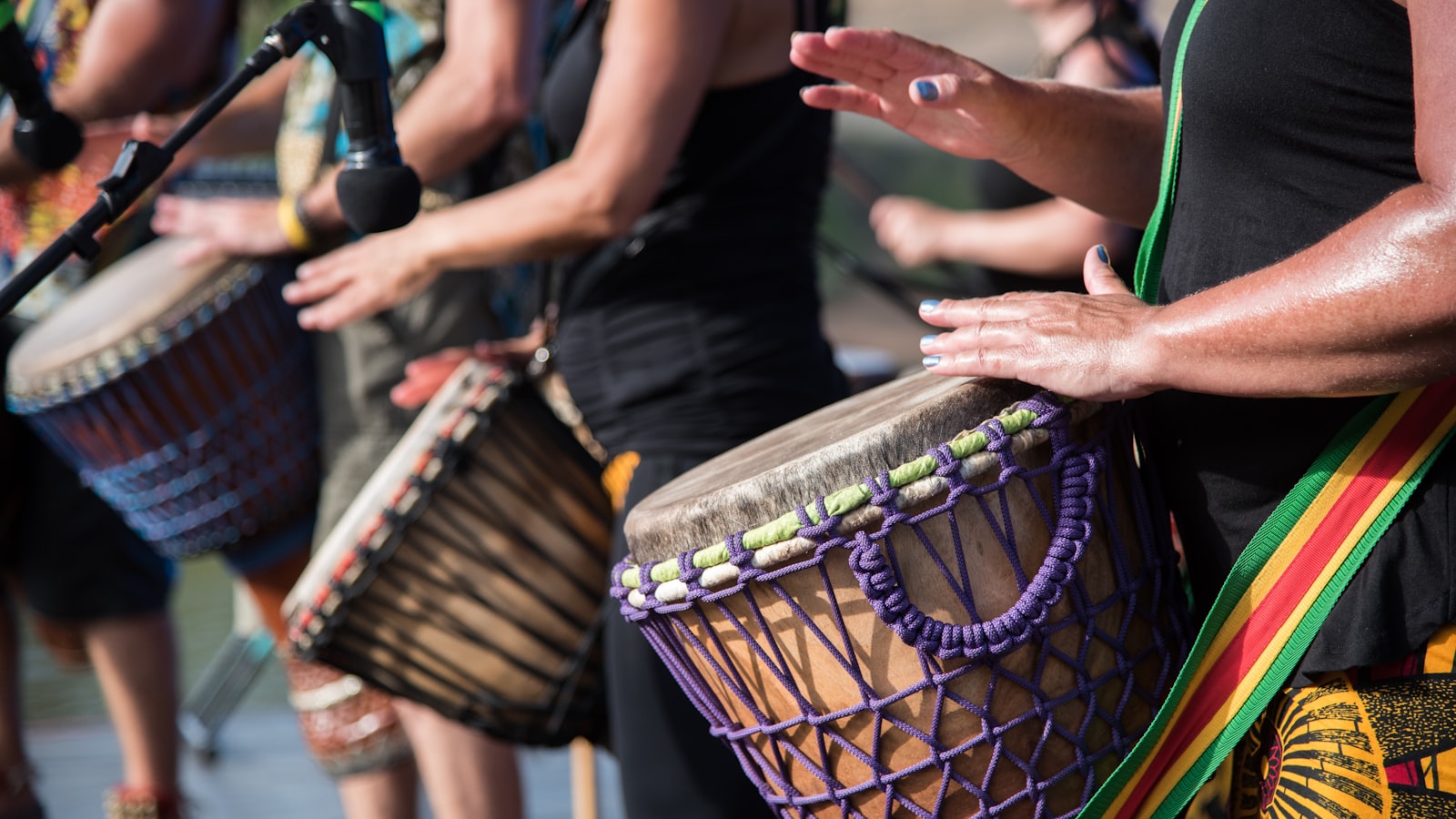
There is something inherently magical about a child with a drum. Long before they learn to speak or read, children respond to the steady pulse of a beat. A kids drum circle isn't just a music lesson; it is a vibrant, inclusive space where young people can express themselves, connect with peers, and experience the pure joy of making noise that becomes music.
In this guide, we explore why rhythmic play is essential for development, how to choose the right instruments, and what to expect when you attend your first community gathering.
The Magic of the Circle for Children
Unlike a traditional orchestra or band, a drum circle is egalitarian. There is no 'front' or 'back' of the class. In a kids drum circle, every seat is the best seat in the house. This circular formation encourages eye contact and active listening, teaching children that their contribution matters to the whole.
For many children, the drum circle is their first introduction to community cooperation. They learn when to play loudly, when to whisper on the drumhead, and how to stop together in a moment of shared silence. It builds confidence in a way that few other activities can, providing a safe space for even the shyest child to find their voice.
Developmental Benefits of Rhythmic Play
Drumming offers a full-body workout for the brain and the spirit. Research consistently shows that rhythmic activities help children with:
- Motor Skills: Using both hands to strike a djembe or frame drum helps develop bilateral coordination and fine motor control.
- Emotional Regulation: Drumming serves as a healthy outlet for energy and frustration. It allows kids to 'drum out' their feelings in a constructive environment.
- Social Connection: By participating in call-and-response games, children practice social cues and collaborative teamwork.
- Cognitive Focus: Following a facilitator’s cues requires high levels of concentration and pattern recognition.
Essential Instruments for Young Drummers
When introducing children to drumming, durability and size are key. You want instruments that can withstand enthusiastic play while being ergonomic for smaller hands.
The Djembe
Small, synthetic-head djembes are perfect for kids. They are lightweight, easy to carry, and offer a wide range of sounds—from deep bass tones in the center to sharp slaps on the edge.
Frame Drums and Tambourines
For the youngest participants, a frame drum held in the lap or a headless tambourine is an excellent entry point. These instruments are intuitive and don't require complex technique to produce a satisfying sound.
Shakers and Small Percussion
Not every child needs a drum to be part of the rhythm. Egg shakers, maracas, and claves allow children to experiment with different textures and high-pitched accents that cut through the deeper drum tones.
Boomwhackers
These tuned percussion tubes are a staple in many drum schools. They add a melodic element to the circle and are virtually indestructible, making them a favorite for energetic toddlers.
What Happens at a Youth Drum Circle?
A facilitated kids drum circle usually follows a flow designed to keep short attention spans engaged. A professional facilitator will often lead the group through several stages:
- The Rumble: A high-energy start where everyone plays as fast and loud as they can to break the ice.
- Call-and-Response: The facilitator plays a simple rhythm, and the children mimic it back. This builds listening skills.
- Rhythm Games: Games like 'Stop and Go' or 'Pass the Beat' turn musical practice into a playful challenge.
- Guided Jamming: Once the group is comfortable, the facilitator might step back and let the kids find their own collective groove.
If you are looking for a structured environment for your child to learn these skills, consider connecting with local drum teachers who specialize in youth percussion.
Tips for Parents and Educators
If you are bringing a child to a community event or a full-moon gathering, keep these tips in mind to ensure a positive experience:
- Ear Protection: For indoor circles or very loud groups, high-quality earplugs or muffs are recommended for sensitive young ears.
- Follow the Leader: Encourage your child to watch the facilitator. This helps them learn the 'language' of the circle, such as the signal to stop.
- Participation is Optional: Never force a child to drum. Sometimes they need to sit on the sidelines and just listen for twenty minutes before they feel brave enough to pick up a mallet.
- Model the Behavior: If you are at a family-friendly circle, grab a drum yourself! Your child will be more likely to engage if they see you having fun.
Finding Your Rhythm
Whether you are a parent looking for a weekend activity or a teacher wanting to bring rhythm into the classroom, the world of kids drumming is wide and welcoming. These gatherings foster a sense of belonging that stays with a child long after the final beat has faded.
Ready to get started? You can find a drum circle near you and start your family’s rhythmic journey today.
Frequently asked
- What is the best age for a child to start a drum circle?
- Children as young as 2 or 3 can participate in family-friendly circles using shakers or small drums. However, most kids find their stride in facilitated groups between the ages of 5 and 12, when they can follow more complex rhythmic games and instructions.
- Do I need to buy a drum before my child attends?
- Usually, no. Most facilitated kids drum circles provide a 'petting zoo' of instruments for participants to use. It is best to attend a few sessions to see which instrument your child gravitates toward before making a purchase.
- How long do kids drum circles usually last?
- A typical youth-focused session lasts between 30 to 60 minutes. This timeframe is ideal for maintaining engagement and energy without overstimulating the participants.
Find a drum circle near you
Browse hundreds of circles, teachers and rhythm community gatherings.
Explore drum circles