
Why Kids Drum Classes Build Confidence, Focus, and Rhythm
Discover how kids drum classes transform energy into musical skill while building essential social and cognitive foundations through rhythm.
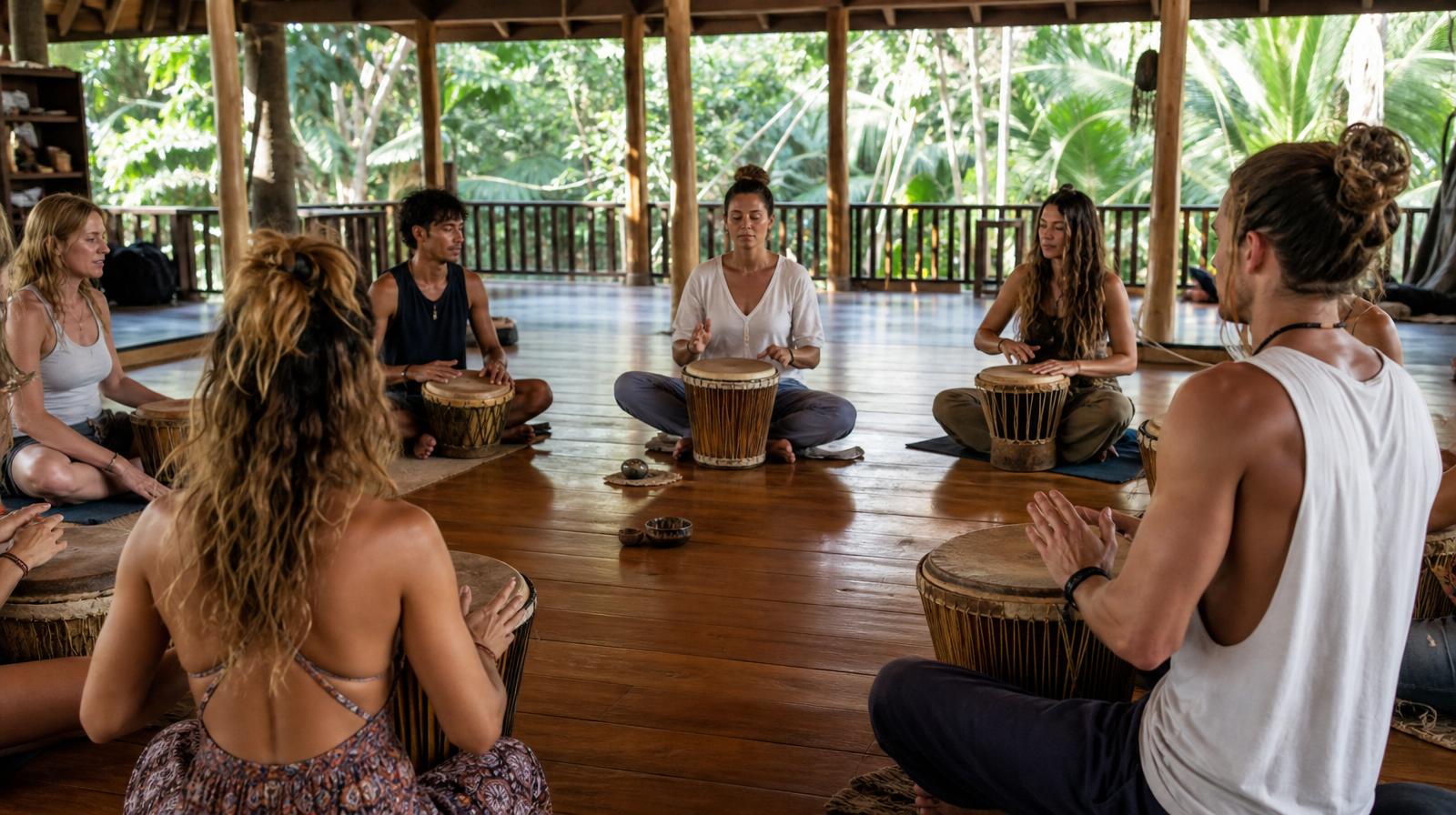
There is a primal joy that happens when a child first strikes a drum. It isn't just about the noise; it is about the immediate physical feedback, the vibration traveling through their arms, and the realization that they can create a powerful sound all by themselves. Finding the right kids drum classes can be the spark that turns that curiosity into a lifelong passion for music and community.
In a world dominated by screens, drumming offers a tactile, high-energy outlet that engages both the body and the mind. Whether your child is naturally rhythmic or just looking for a fun way to express themselves, group drumming provides a unique blend of discipline and creative freedom.
The Developmental Benefits of Early Drumming
Research has shown that rhythmic training does more than just teach a child how to keep time. It actually rewires the brain for better communication between the left and right hemispheres. For young children, participating in kids drum classes helps develop fine and gross motor skills as they learn to coordinate their hands, feet, and eyes.
Beyond the physical, drumming is a profound tool for cognitive development. When a child learns to play a polyrhythm or follows a call-and-response pattern, they are practicing advanced mathematics and pattern recognition. This translates to improved focus in the classroom and better problem-solving skills in everyday life.
Choosing the Right Instrument: Djembe, Congas, or Kits?
Not all kids drum classes are the same, and the instrument often dictates the style of the class. Many parents find that hand drumming is the perfect entry point for children because it removes the barrier of sticks and hardware.
- The Djembe: This West African drum is a favorite in kids' classes. Its goblet shape makes it easy to sit over, and it offers three distinct tones (bass, tone, and slap) that are easy for small hands to produce.
- The Doumbek: For children interested in Middle Eastern rhythms, the doumbek provides a crisp, bright sound that is excellent for developing finger dexterity.
- Frame Drums: These are lightweight and portable, making them ideal for very young children or those focusing on the spiritual and meditative side of rhythm.
- Congas and Bongos: These Afro-Cuban staples are great for teaching hand techniques and are often used in drum schools that focus on Latin jazz or salsa styles.
What to Expect in a Typical Kids Drum Class
A high-quality class for children shouldn't feel like a rigid lecture. Instead, it should feel like a musical playground. Most instructors who specialize in youth percussion use a variety of games to teach complex concepts.
- The Greeting Song: Many classes start with a rhythmic check-in where each child drums out how they are feeling.
- Call-and-Response: The teacher plays a pattern (the 'call'), and the students repeat it back (the 'response'). This builds listening skills and musical memory.
- Rhythm Animals: A popular technique where kids learn patterns by saying animal names (e.g., "Cat" for a quarter note, "Caterpillar" for sixteenth notes).
- Free Expression: Time is always carved out for the kids to jam, allowing them to explore the sonic possibilities of their instruments without judgment.
Finding the Right Environment and Instructor
The magic of drumming often lies in the person leading the circle. When searching for drum teachers, look for facilitators who prioritize the joy of playing over technical perfection—especially for beginners. A great kids' drum instructor knows how to manage the high energy of a room full of percussionists while keeping the group in sync.
It is also worth considering the setting. While private lessons are great for technical mastery, group classes or events foster a sense of belonging. In a group, children learn the importance of listening to others and contributing to a collective sound, which is the heart of the drum circle experience.
Drumming as a Social and Emotional Outlet
For many children, drumming is a powerful form of emotional regulation. The physical act of striking a drum can release pent-up energy or frustration in a constructive way. In a group setting, kids drum classes provide a safe space for social interaction.
Shy children often find their voice through the drum, gaining the confidence to take a "solo" in a supportive environment. Conversely, high-energy children learn the value of restraint and the importance of supporting the groove of the group. It is a microcosm of community life, taught through the language of the beat.
Transitioning from Classes to Community Circles
Once your child has grasped the basics, the next step is often joining a family-friendly drum circle. This is where they can apply what they've learned in a real-world, multi-generational setting. Seeing adults and children drumming together reinforces the idea that music is a lifelong journey, not just a school subject.
If you are ready to start your child's rhythmic journey, we recommend looking for local facilitators who specialize in youth or family programs. You can find a wide range of options in our directory of drum circles across the globe.
Find a drum circle near you: /drum-circles
Frequently asked
- What is the best age for a child to start drum classes?
- Children as young as 3 or 4 can begin with basic rhythm games and hand drumming. However, most structured kids drum classes are most effective starting around age 6, when children have the motor skills and attention span to follow specific patterns.
- Do I need to buy a drum before my child starts class?
- Most instructors and drum schools provide instruments for students to use during class. It is usually best to wait until your child has tried a few different types of drums (like the djembe or congas) before investing in one for home practice.
- Is drumming too loud for children's ears?
- While drumming can be loud, most kids drum classes use hand drums which are easier to volume-control than full kits. For younger children or sensitive ears, many teachers recommend high-quality ear protection or 'muffler' pads to ensure a safe and comfortable experience.
Find a drum circle near you
Browse hundreds of circles, teachers and rhythm community gatherings.
Explore drum circles