Mastering the Leadership Drum Circle: Rhythm as a Corporate
Discover how the leadership drum circle transforms corporate teams through the power of rhythm, active listening, and collaborative djembe playing.
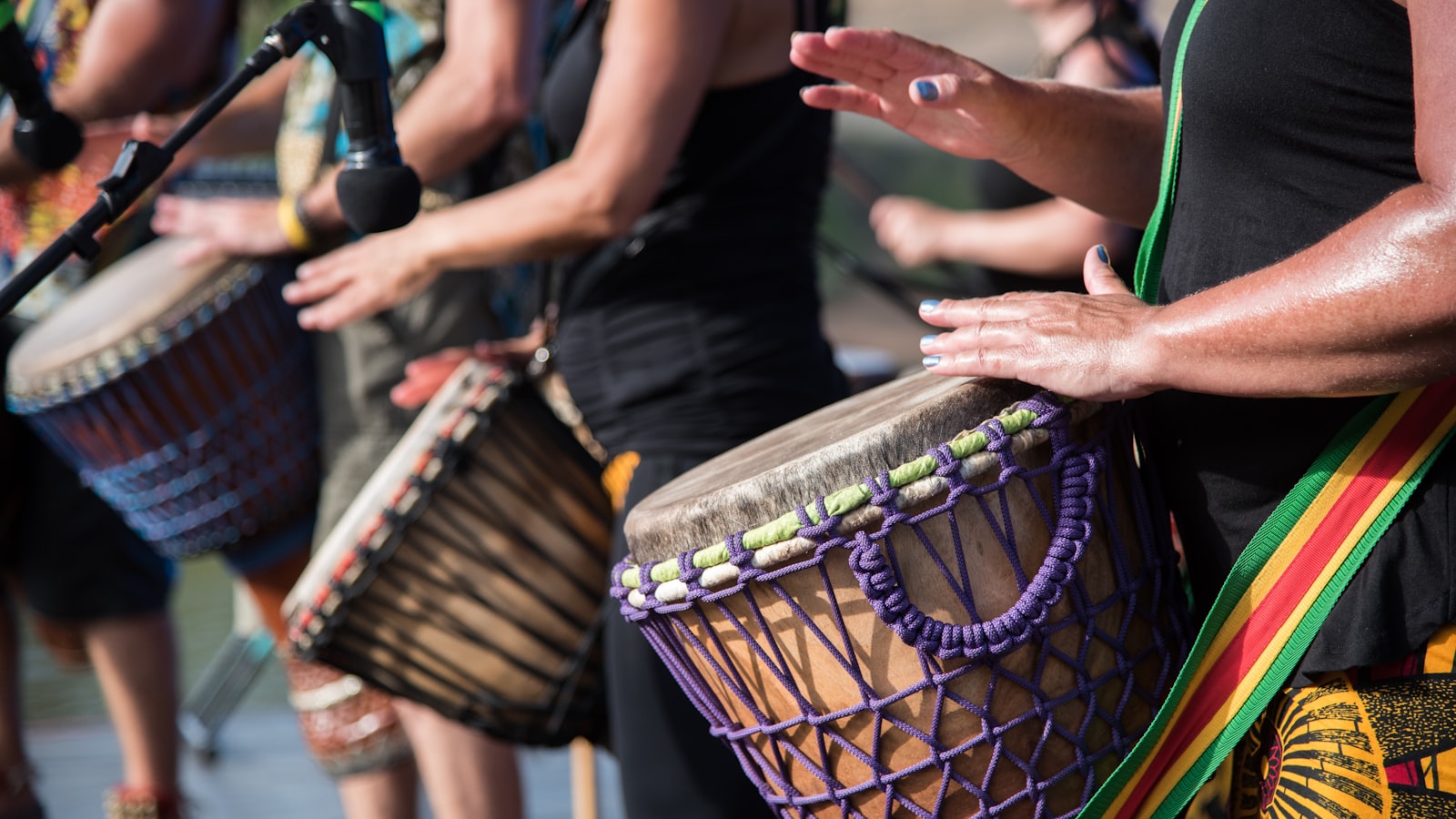
In the modern workplace, leadership is often associated with spreadsheets, slide decks, and boardroom negotiations. However, a growing movement of executives and team leaders is looking toward an ancient technology to solve contemporary problems: the drum circle. A leadership drum circle is more than just a musical performance; it is a high-stakes ecosystem that mirrors the dynamics of a successful organization.
When a team sits in a circle with djembes, congas, and dununs, the hierarchy of the office dissolves. In its place emerges a rhythmic dialogue where communication is immediate, feedback is sonic, and the goal is total synchronization. This article explores how rhythmic facilitation serves as a masterclass in leadership and group cohesion.
The Anatomy of a Leadership Drum Circle
A leadership drum circle is a facilitated event where participants use percussion instruments to explore team dynamics. Unlike a traditional performance where an audience watches a stage, every person in a drum circle is an active contributor.
In these sessions, a professional facilitator guides the group through various exercises—starting with simple pulses and moving toward complex polyrhythms. The "leadership" aspect comes into play as participants take turns leading the tempo, initiating call-and-response patterns, and learning when to step back to support the collective groove. It is an experiential laboratory for testing how a group responds to change, pressure, and innovation.
Why Rhythm Works for Teams
At its core, a drum circle is a metaphor for a functional company. If one person plays too loudly without listening, the music suffers. If someone loses the beat, the group must support them to bring them back into the fold.
- Non-Verbal Communication: In a drum circle, you cannot hide behind jargon. You communicate through volume, timing, and eye contact.
- Real-Time Problem Solving: When a rhythm gets messy, the group must self-correct instantly to maintain the flow.
- Inclusive Innovation: From the bass tone of a large dunun to the sharp slap of a djembe, every voice is necessary to create a full, rich sound.
Many organizations find that these sessions are the perfect precursor to upcoming events or strategic planning retreats, as they break down social barriers and prime the brain for creative thinking.
Lessons in Facilitation and Influence
In a leadership drum circle, the facilitator often hands the "baton" (or the lead drum) to different team members. This shift in roles provides profound insights into different leadership styles:
The Directive Leader
This person sets a firm, unwavering beat. While this provides stability, the lesson often learned is that if the beat is too rigid, there is no room for the "swing" or the individual flourishes that make a team unique.
The Collaborative Leader
This leader listens to the subtle rhythms of the frame drums or shakers and incorporates those elements into the main beat. They lead by following, ensuring that every rhythmic contribution is heard and valued.
The Visionary Leader
This participant might introduce a new time signature or a complex call-and-response. The challenge here is ensuring the rest of the group is ready to follow. Without a solid foundation of trust, a visionary rhythm can lead to chaos.
Breaking Down Silos with Percussion
Corporate silos are one of the biggest hurdles to productivity. In a leadership drum circle, these silos are physically broken. An intern might be sitting next to the CEO, both trying to master a challenging doumbek pattern.
This proximity fosters empathy. When you struggle to keep a beat alongside someone else, you develop a bond that transcends job titles. Many companies use these sessions as a bridge before hiring drum teachers for long-term employee wellness programs or ongoing team development.
The Role of the Facilitator
A leadership drum circle is only as effective as its facilitator. This individual acts as the "conductor" of the experience, but their goal is eventually to become unnecessary. A great facilitator teaches the group how to listen to one another so intently that the music sustains itself.
They use specific techniques, such as:
- Sculpting: Highlighting specific sections of the circle to show how different departments (rhythms) interact.
- Volume Control: Teaching the group how to whisper on their drums, emphasizing that leadership isn't always about being the loudest voice in the room.
- Stop-and-Start: Practicing the transition between high-intensity work and moments of reflection.
Integrating Rhythm into Corporate Culture
For organizations looking to make a lasting impact, a one-off session is just the beginning. Some companies choose to send their management teams to dedicated drumming retreats to dive deeper into the psychological and physiological benefits of group drumming. Others might partner with drum schools to provide instruments for the office breakroom, encouraging spontaneous rhythmic breaks.
Integrating rhythm into the culture helps maintain the "pulse" of the company. It serves as a reminder that while individual skill is important, the collective output—the groove—is what truly defines success.
Finding Your Rhythm
Whether you are a startup looking to define your culture or a multinational corporation aiming to revitalize your workforce, the leadership drum circle offers a unique, visceral path to growth. It challenges participants to be present, to listen, and to contribute to something larger than themselves.
Ready to bring the power of the beat to your organization?
Find a drum circle near you at /drum-circles.
Frequently asked
- Do you need musical experience to participate in a leadership drum circle?
- Absolutely not. Leadership drum circles are designed for all skill levels. The focus is on communication and group dynamics rather than musical technicality, and facilitators ensure everyone can contribute regardless of their background.
- How long does a typical corporate drum circle session last?
- Most sessions last between 60 and 90 minutes. This provides enough time for an introduction, rhythmic warm-ups, several leadership exercises, and a final debrief to connect the musical lessons back to workplace goals.
- What instruments are typically used in these sessions?
- Facilitators usually provide a variety of accessible percussion instruments, including West African djembes, Afro-Cuban congas, Middle Eastern doumbeks, and various handheld instruments like shakers, bells, and woodblocks.
Find a drum circle near you
Browse hundreds of circles, teachers and rhythm community gatherings.
Explore drum circles