
Learn African Drumming: A Beginner’s Guide to Rhythm and
Discover the vibrant world of West African rhythm through the djembe and dununs while finding your place in the global drumming community.
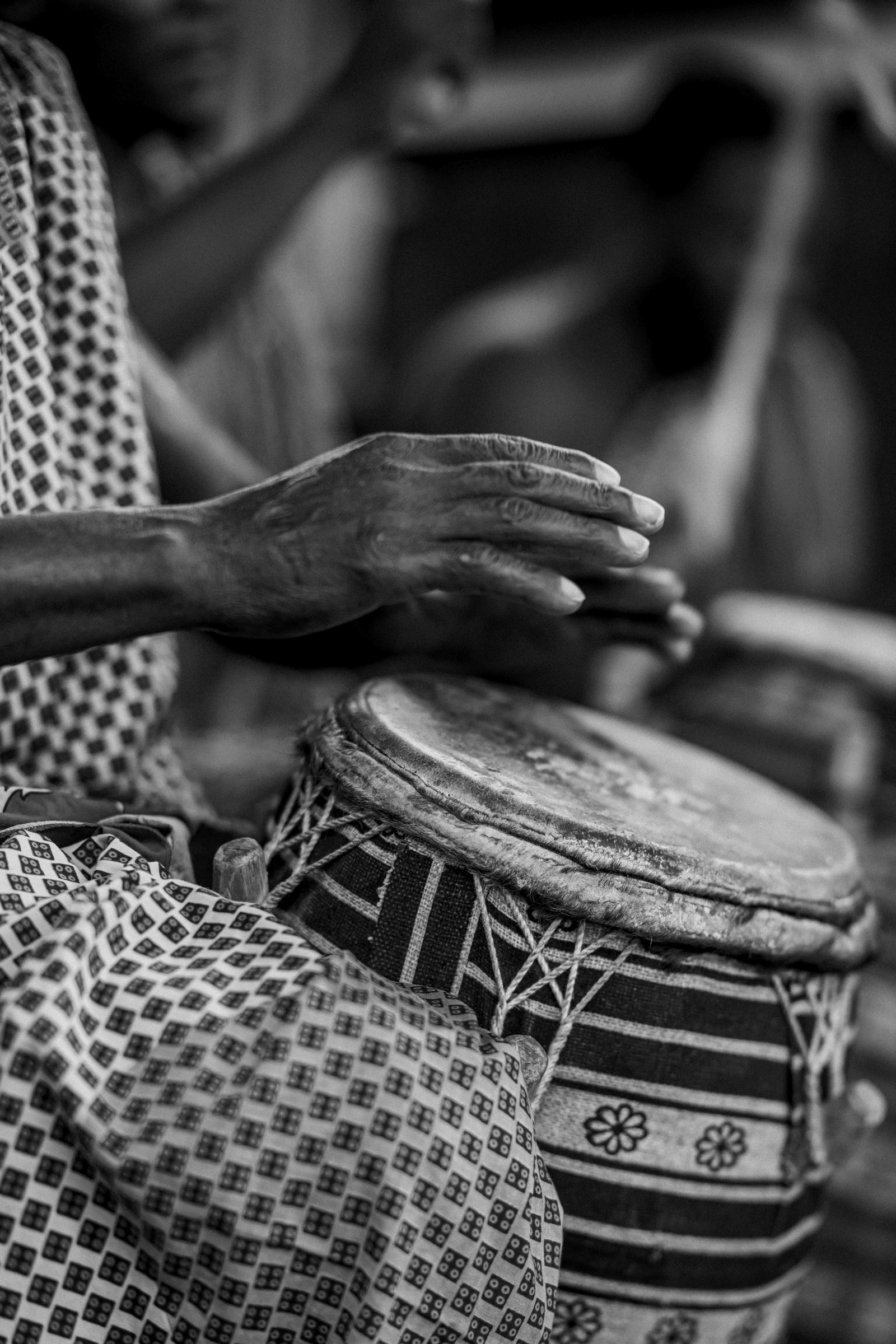
African drumming is more than just music; it is a language, a heartbeat, and a profound way to connect with others. Whether you were inspired by a late-night bonfire session or a high-energy performance, the desire to learn African drumming often stems from a deep-seated human need for rhythmic connection.
In this guide, we will explore the foundations of West African percussion, focusing on the iconic djembe and its companions, the dununs. You will learn how to approach the instrument, the essential sounds every beginner needs to master, and how to find a community that supports your growth.
The Heart of the Tradition: Understanding the Djembe
The djembe (pronounced JEM-bay) is perhaps the most popular African drum worldwide. Originating from the Mali Empire, it is traditionally carved from a single piece of hardwood and topped with a goat skin head. Its goblet shape is designed to produce a wide range of frequencies, from deep, resonant basses to sharp, cracking slaps.
When you start to learn African drumming, you are stepping into a lineage of Mande culture. Traditionally, the drum was used for storytelling, celebrations, and healing. Today, it serves as the centerpiece of modern drum circles, bringing people of all backgrounds together in a shared pulse.
Essential Instruments: Beyond the Djembe
While the djembe is the soloist, it rarely travels alone. To truly understand the polyrhythmic nature of this music, you must also recognize the dununs (or dunduns). These are the cylindrical, double-headed bass drums that provide the melody and the "engine" of the rhythm.
- The Kenkeni: The smallest dunun, which usually keeps a steady, high-pitched time-keeper role.
- The Sangban: The mid-sized drum that often carries the recognizable melody of a specific rhythm.
- The Dununba: The largest drum, providing the deep, low-end power.
Learning how these instruments interact—often accompanied by a bell—is the key to moving from a solo player to a functional member of an ensemble.
Mastering the Three Basic Notes
To learn African drumming effectively, you must first master the three primary sounds on the djembe. Proper technique not only improves your sound but also protects your hands from injury.
- The Bass: Played by striking the center of the drum with a flat, relaxed hand. The goal is a deep, rebounding thump.
- The Tone: Struck at the edge of the drum with the fingers together. The sound should be round and full, with the palm of the hand just off the rim.
- The Slap: The most challenging note for beginners. It involves a relaxed, whip-like motion where the fingertips strike the edge of the skin to produce a high-pitched, sharp crack.
Consistent practice of these three notes will build the "vocabulary" you need to speak through your drum.
The Role of Call and Response
In West African music, the "lead" drummer uses a specific rhythmic phrase known as a Break or Call. This signal tells the group when to start, when to stop, or when to change to a different section of the rhythm.
Understanding the call-and-response dynamic is vital. It requires active listening—a skill just as important as physical dexterity. If you are struggling to find this flow on your own, seeking out drum schools can provide the structured environment needed to decode these rhythmic cues.
Finding Your Rhythm: Classes vs. Self-Study
While YouTube tutorials are a great starting point, African drumming is an oral tradition meant to be passed down in person. The nuances of posture, hand placement, and "swing" are best learned from a teacher who can offer immediate feedback.
- Workshops: Many cities host weekend intensives or visiting master drummers from West Africa.
- Local Teachers: Working one-on-one with drum teachers allows you to progress at your own pace and fix bad habits before they become ingrained.
- Retreats: For those looking to dive deep, drumming retreats offer an immersive experience, often combining drumming with dance and cultural education.
Etiquette for Beginner Drummers
When you join your first circle or class, keep these community-minded tips in mind:
- Listen more than you play: Pay attention to the bass drums and the lead drummer.
- Support the pulse: Don’t worry about fancy solos; the most valuable player is the one who keeps a steady beat.
- Ask permission: If you are at a community event, it is polite to ask before joining in or trying out someone else's drum.
- Respect the instrument: Treat your drum with care, and avoid wearing rings or bracelets that could damage the skin.
Connecting with the Global Community
The ultimate goal of learning African drumming is to share it. Whether you are playing for your own wellness or performing at local events, the rhythm is a bridge to others. Drumming has been shown to reduce stress, improve cognitive function, and foster a sense of belonging.
Ready to take the first step? The world of rhythm is waiting for you. Grab your drum, find your seat, and let the pulse guide you.
Find a drum circle near you and start your journey today.
Frequently asked
- Do I need my own drum to start learning?
- Not necessarily. Many teachers and local drum circles provide 'loaner' drums for beginners. It is often better to try a few different styles and sizes before investing in your own professional-grade djembe.
- Is West African drumming hard to learn for beginners?
- The basics of the bass, tone, and slap can be learned in a single session. However, mastering the polyrhythms and high-speed endurance takes years of dedicated practice and listening.
- What is the difference between a djembe and a conga?
- While both are hand drums, the djembe is a goblet-shaped West African drum with a goat skin head, played with bare hands. Congas are tall, narrow Afro-Cuban drums with thicker skins (usually cowhide) and produce a different tonal range.
Find a drum circle near you
Browse hundreds of circles, teachers and rhythm community gatherings.
Explore drum circles