
How to Learn Djembe: The Ultimate Beginner’s Guide to
Discover the vibrant world of West African drumming and master the essential techniques to start your journey with the djembe today.
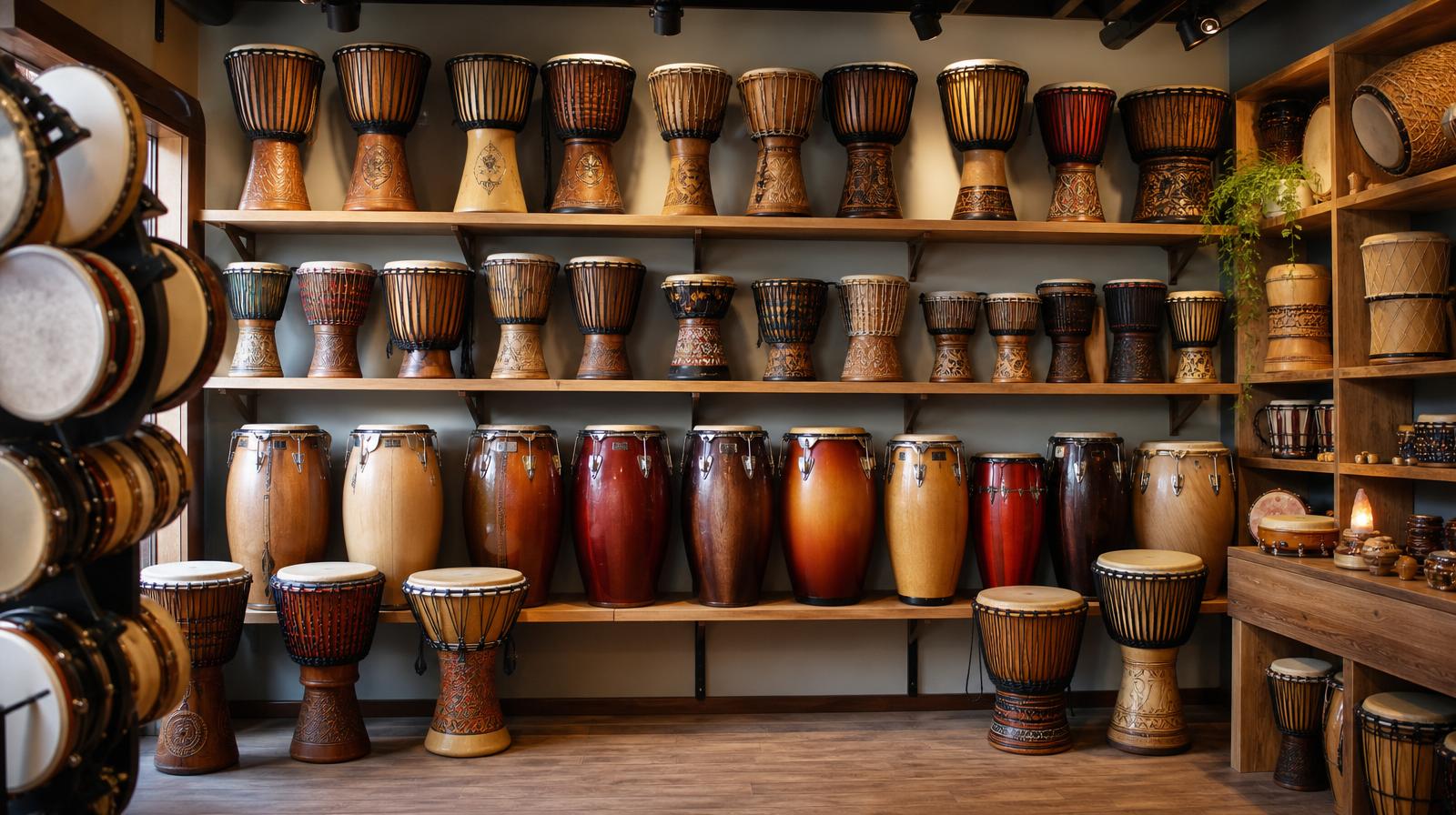
The djembe is perhaps the most versatile and popular hand drum in the world. Originating from West Africa—specifically the Mandé peoples of Mali, Guinea, and Ivory Coast—this goblet-shaped drum has traveled across oceans to become the heartbeat of community drum circles everywhere.
Learning djembe is more than just hitting a piece of wood and goat skin; it is about connecting with a rich cultural lineage, improving your physical coordination, and joining a global community of rhythm seekers. Whether your goal is to lead a full-moon gathering or simply play along with your favorite tracks at home, this guide will provide the foundation you need.
Choosing Your First Djembe
Before you can learn djembe, you need an instrument that resonates with you. Djembes come in various sizes and materials. Traditionally, they are carved from a single piece of hardwood (like Lenke or Mahogony) and headed with goat skin held by a complex rope-tuning system.
- Size Matters: For an adult, a drum with a 12-inch head diameter and a 24-inch height is standard. Children or those traveling frequently may prefer a 10-inch model.
- Wood vs. Synthetic: While traditional wood drums offer the most authentic, warm tone, synthetic drums (like those made by Remo) are weather-resistant and easier to maintain if you live in a humid or very dry climate.
- Skin Quality: Look for a skin that is free of deep scars or nicks. The tension should be high enough that the drum rings clearly when struck.
Proper Posture and Positioning
To learn djembe effectively without injuring your body, posture is everything. The drum should be an extension of your torso. Most players sit on a chair or stool (without arms) at a height where their knees are level with their hips.
- Tilt the Drum: Never play with the djembe flat on the floor. Tilt the drum away from you, holding it between your knees. This allows the sound to escape from the bottom hole (the bell).
- Straight Back: Keep your spine neutral and shoulders relaxed. Tension is the enemy of good tone.
- Elbow Position: Your elbows should hang naturally at your sides. Avoid 'chicken wings' where your elbows flare out, as this leads to shoulder fatigue.
Mastering the Three Core Sounds
The magic of the djembe lies in its ability to produce a wide range of frequencies. To truly learn djembe, you must master these three fundamental strokes:
The Bass
This is the low, booming heart of the rhythm. Hit the center of the drum with your palm flat and fingers together. Let your hand bounce off immediately, like you're touching a hot stove. This allows the drum to vibrate freely.
The Tone
This is a medium-pitched, round sound. Strike the edge of the drum with your fingers together and your palm slightly off the rim. The 'meat' of your fingers should strike the skin, creating a solid, melodic note.
The Slap
Often the most difficult for beginners, the slap is a high-pitched, sharp 'crack.' It is played at the edge of the drum with fingers slightly relaxed and spread. The fingertips should whip against the skin. It’s about speed and relaxation, not force.
Understanding West African Rhythms
Once you have your sounds, it is time to put them into a sequence. Traditional West African music is built on polyrhythms—multiple rhythms happening at once that lock together.
As you start to learn djembe, you will likely encounter classic rhythms like Kuku, Moribayassa, or Soli. These often involve a call-and-response dynamic. The 'Lead' drummer will play a specific phrase (the call), and the group responds with a specific rhythm. Practicing with experienced drum teachers is the fastest way to understand how these parts fit together with the dununs (the bass drums played with sticks).
Finding Your Rhythm Community
Drumming is a social art form. While solo practice is essential for technique, the djembe truly comes alive in a group setting. Participating in a local drum circle allows you to practice keeping a steady pulse while listening to others.
- Etiquette: Always ask before playing someone else’s drum. In a circle, listen more than you play. If you are a beginner, try to lock in with the bass pulse rather than playing complex solos.
- Collaboration: Look for gatherings that welcome all levels. Many community events are family-friendly and offer a low-pressure environment to test your new skills.
Tips for Consistent Progress
- Use a Metronome: Rhythm is about the space between the notes. Practice your bass-tone-slap patterns at 60 BPM and slowly increase the speed.
- Record Yourself: You might think you are on the beat, but listening back often reveals where your timing drifts.
- Watch the Masters: Look for videos of Grandmaster drummers like Mamady Keïta or Famoudou Konaté to see the fluidity of their movements.
- Attend a Workshop: Immersing yourself in drumming retreats can provide a massive leap in your playing ability in just a few days.
Conclusion
The journey to learn djembe is a marathon, not a sprint. It requires patience to develop the callouses on your hands and the 'ear' for the subtle nuances of the slap. However, the reward—a deep sense of connection, stress relief, and the joy of creation—is well worth the effort. Start slow, stay relaxed, and keep the rhythm moving.
Find a drum circle near you to start your journey.
Frequently asked
- How long does it take to learn djembe?
- Most beginners can learn the basic bass, tone, and slap sounds within a few weeks of consistent practice. However, mastering the speed and clarity required for traditional West African soloing typically takes several years of dedicated study and community play.
- Do I need to read music to play djembe?
- No, djembe is traditionally taught through oral tradition and 'call and response.' While some teachers use notation systems like Box Notation or TUBS, most students learn by listening, watching, and feeling the pulse of the rhythm.
- Does djembe drumming hurt your hands?
- It can be uncomfortable at first as your hands adjust to the impact. However, if you experience sharp pain, it is usually a sign of poor technique or hitting the drum too hard. Proper instruction focuses on relaxation and 'bouncing' off the skin to prevent injury.
Find a drum circle near you
Browse hundreds of circles, teachers and rhythm community gatherings.
Explore drum circles