
Learn Hand Drumming: The Ultimate Beginner’s Guide to Rhythm
Discover the joy of rhythm with our comprehensive guide to hand drumming, from choosing your first drum to finding your local community.
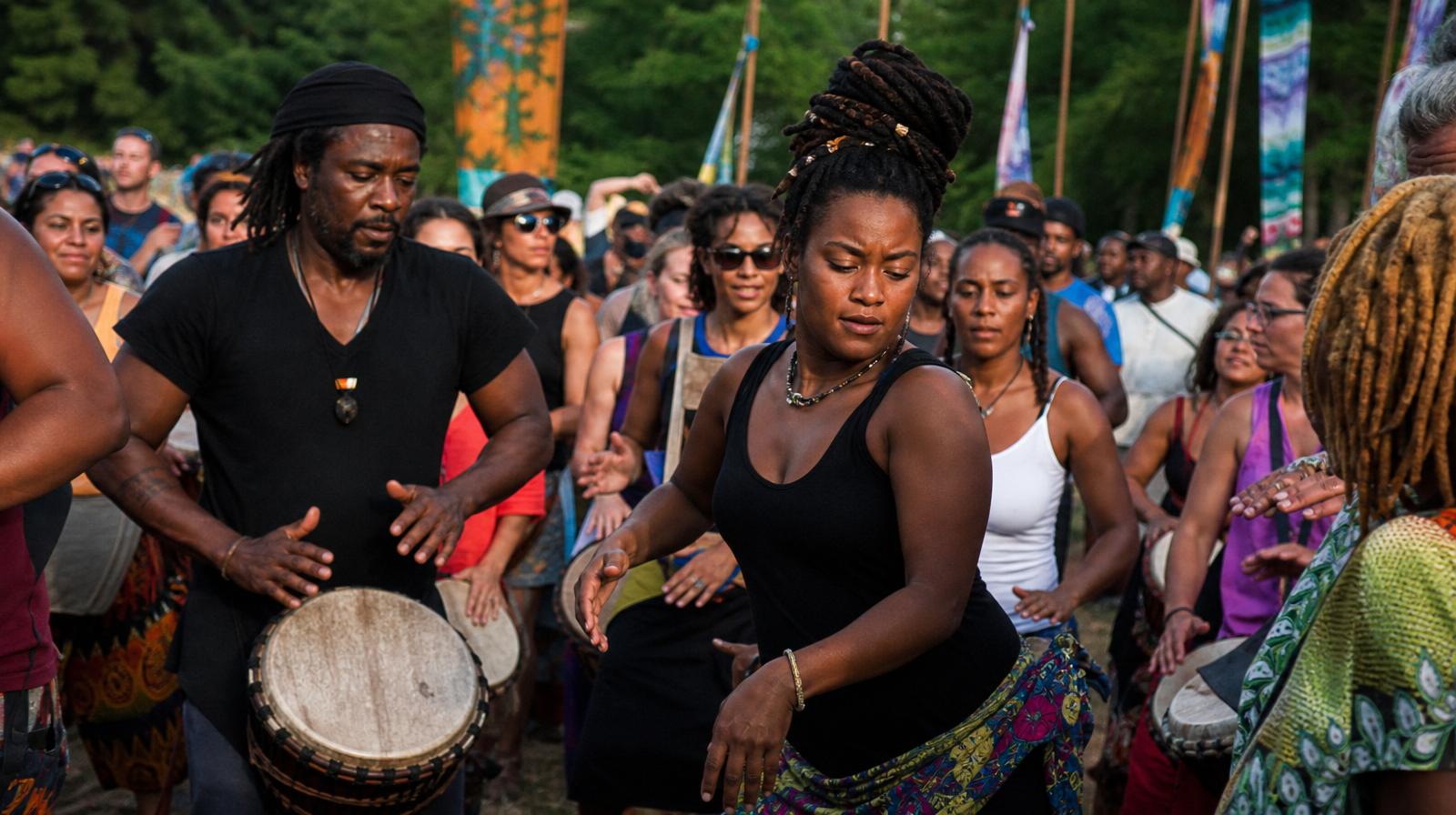
There is something primal and deeply satisfying about striking a drum with your bare hands. It is one of the oldest forms of human communication and expression, transcending language and culture. If you have ever felt your feet tap instinctively to a beat or felt a pull toward the center of a park where a group of people are playing together, you are already on the path to learn hand drumming.
Hand drumming is more than just a musical skill; it is a gateway to community, a tool for stress relief, and a physical practice that engages the whole body. Whether you want to master the intricate patterns of the djembe, find your groove on the congas, or join a local full-moon gathering, this guide will provide the foundation you need to start your rhythmic journey.
Choosing Your First Instrument
The first step to learn hand drumming is selecting the right instrument. While many drums fall under the 'hand drum' umbrella, they each have distinct voices and origins.
- The Djembe: Originating from West Africa, the djembe is perhaps the most popular choice for beginners. Its goblet shape produces a wide range of sounds—from deep, resonant bass to sharp, cracking slaps. It is the heart of most community drum circles.
- The Congas: These tall, narrow Cuban drums are staples in Afro-Cuban jazz and salsa. They are typically played in pairs or trios and require a specific technique involving the palms and fingers.
- The Doumbek (or Darbuka): This goblet-shaped drum from the Middle East is known for its crisp, metallic tones. It is often played tucked under the arm or resting on the leg.
- The Frame Drum: One of the world's oldest instruments, the frame drum consists of a hoop with a skin stretched over it. It is versatile, portable, and often used in spiritual or meditative drumming.
The Three Fundamental Strokes
Regardless of which drum you choose, most hand drumming is built upon three primary sounds. Mastering these is the key to unlocking any rhythm.
- The Bass: This is the lowest note. Strike the center of the drum head with your full palm, allowing your hand to bounce off immediately so the sound can resonate.
- The Tone: This is the 'middle' note. Strike the edge of the drum with your fingers together, keeping your palm off the rim. The sound should be full and round.
- The Slap: The most challenging stroke to master, the slap is a high-pitched, sharp sound. It involves a relaxed hand hitting the edge of the drum so the fingertips 'whip' against the head.
Finding Your Rhythm: Practice and Technique
When you begin to learn hand drumming, consistency is more important than intensity. Start by practicing your basic strokes for 15 minutes a day. Focus on keeping your shoulders relaxed and your breathing steady. Tension is the enemy of good rhythm; if your hands or arms hurt, you are likely hitting the drum too hard or holding too much stress in your body.
Try practicing simple 'call-and-response' patterns. Play a short rhythm and try to mimic it exactly. You can also play along to your favorite music to develop your internal 'metronome' and learn how to stay on the beat.
The Role of the Drum Circle
One of the fastest ways to improve is to play with others. Drum circles are inclusive, community-driven gatherings where people of all skill levels come together to create spontaneous music. In these settings, the 'group mind' takes over, and even beginners find themselves playing complex rhythms they didn't know they were capable of.
If you are nervous about your first circle, look for community drum circles that are labeled as 'family-friendly' or 'beginner-oriented.' Most circles are incredibly welcoming to newcomers. Remember the golden rule: if you get lost, just stop, listen to the bass drum (usually the dununs or a large djembe), and find the 'one' again.
Advancing Your Skills with Teachers and Schools
While self-teaching is possible, working with a mentor can prevent bad habits from forming. A qualified teacher can show you proper ergonomics to protect your wrists and help you understand the cultural history behind the rhythms you are playing.
You can find local drum teachers who offer one-on-one sessions, or check out drum schools for structured group classes. For those looking for a deep dive, drumming retreats offer an immersive experience where you can live and breathe rhythm for several days, often in beautiful, nature-focused settings.
Etiquette for the New Hand Drummer
As you enter the world of hand drumming, a little etiquette goes a long way.
- Ask before you play: If you see someone else's drum, always ask before you strike it.
- Listen more than you play: In a group setting, the goal is to support the collective sound, not to dominate it.
- Respect the facilitator: If a facilitator is leading the circle, follow their signals for volume changes or 'rumble' finishes.
- Support the pulse: Don't feel the need to play fast or loud. A steady, simple beat is often more valuable to the group than a complex solo that falls out of time.
The Health Benefits of Drumming
Beyond the music, learning to drum is scientifically proven to be good for you. It reduces cortisol levels, boosts the immune system, and fosters a sense of belonging. The bilateral movement (using both hands) helps synchronize the left and right hemispheres of the brain, leading to improved focus and emotional clarity. It is truly a workout for the mind, body, and spirit.
Find a drum circle near you.
Frequently asked
- Do I need to be 'musical' to learn hand drumming?
- Not at all. Rhythm is an innate human trait—think of your heartbeat or the way you walk. Hand drumming is accessible because it doesn't require reading sheet music or understanding complex theory to begin enjoying it immediately.
- Which hand drum is easiest for a beginner?
- The djembe is generally considered the most beginner-friendly because it is easy to produce a clear sound (bass, tone, and slap) and is used in a wide variety of musical styles and community circles.
- Does hand drumming hurt your hands?
- It shouldn't. While your hands may feel a slight tingling or sensitivity when you first start, actual pain is usually a sign of incorrect technique or hitting the drum too hard. Learning proper form from a teacher will help you play comfortably for hours.
Find a drum circle near you
Browse hundreds of circles, teachers and rhythm community gatherings.
Explore drum circles