Learn Percussion: The Beginner’s Guide to Finding Your
Embark on a rhythmic journey and discover the transformative power of hand drumming with our comprehensive guide to starting your percussion practice.
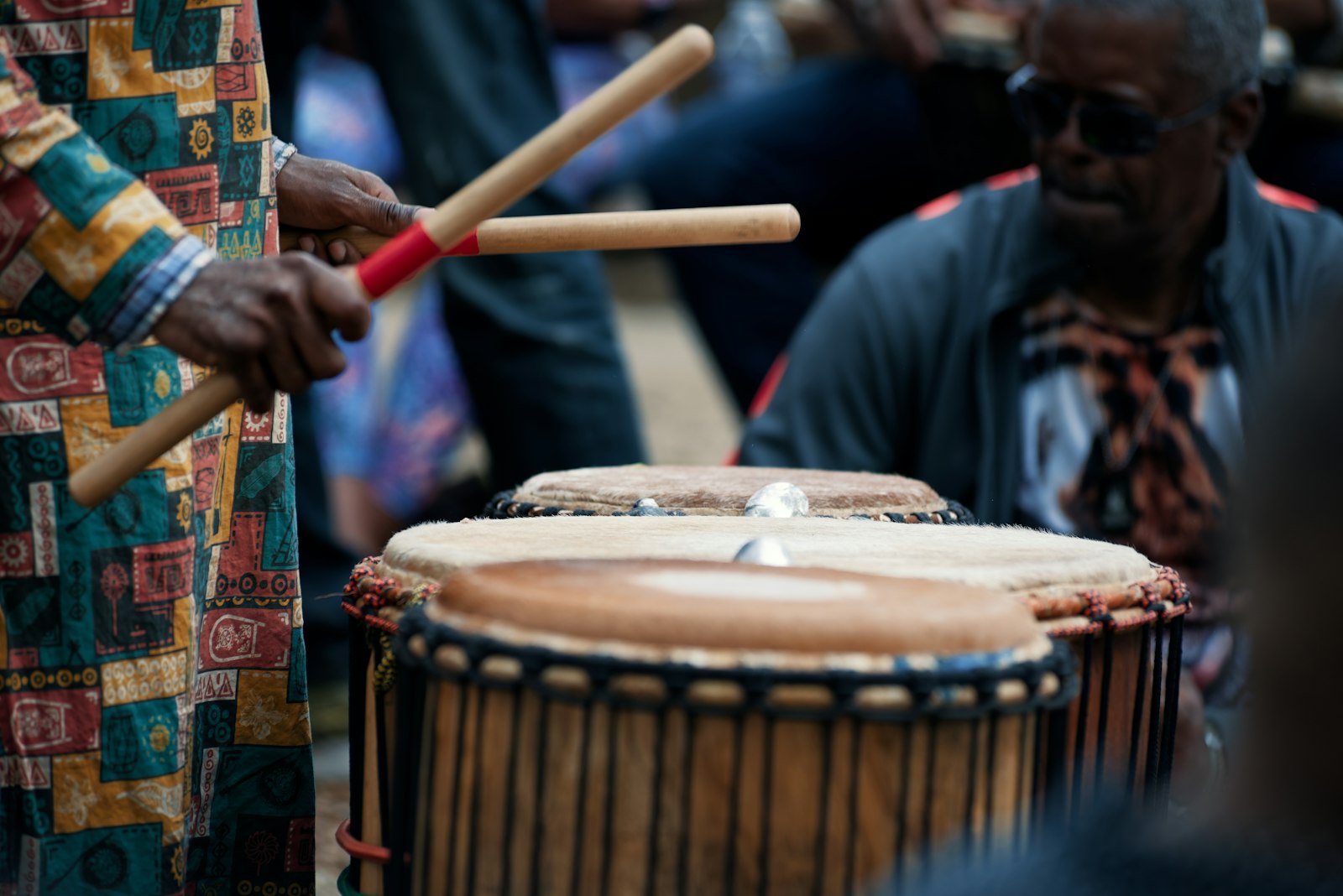
There is something primal and deeply satisfying about striking a drum. Whether it’s the resonant bass of a djembe or the sharp slap of a conga, percussion is the heartbeat of human connection. If you have ever felt your foot tapping to a street performer or felt the urge to join a rhythmic circle in a local park, you are already on your way to learning percussion.
Percussion is perhaps the most accessible form of music-making. You don’t need to read complex sheet music or understand intricate music theory to start. All you need is a pulse and a willingness to listen. In this guide, we will explore how to begin your journey, choose your first instrument, and find a community that supports your growth.
Why Learn Percussion?
Learning percussion is about more than just keeping time; it is a holistic experience that engages the mind, body, and spirit. For many, the drum is a tool for stress relief and mindfulness. When you are locked into a groove, the chatter of the outside world fades away, replaced by the singular focus of the beat.
Beyond the personal benefits, percussion is inherently social. Unlike a solo pianist or a bedroom guitarist, percussionists often thrive in groups. Joining a community allows you to experience the phenomenon of 'entrainment,' where a group’s collective rhythm synchronizes, creating a powerful sense of unity and shared energy.
Choosing Your First Hand Drum
When you decide to learn percussion, the sheer variety of instruments can be overwhelming. Each drum has its own voice, history, and technique. Here are the most popular entry points for beginners:
- Djembe: Originating from West Africa, the djembe is the most popular drum in modern circles. It offers three distinct sounds—bass, tone, and slap—making it incredibly versatile.
- Congas: These tall, narrow Cuban drums are played in pairs or trios. They require a specific palm-and-finger technique that produces a melodic, warm sound.
- Bongos: Small and portable, bongos are perfect for those who want to practice intricate finger movements and high-pitched accents.
- Frame Drums: One of the oldest drum types in the world, these are held in one hand or on the lap and played with fingers, offering a meditative and delicate sound profile.
- Doumbek/Darbuka: Goblet-shaped drums from the Middle East known for their crisp, metallic 'doum' and 'tek' sounds.
Fundamental Techniques for Beginners
To learn percussion effectively, you must start with the basics of hand positioning and posture. Most hand drums rely on four primary strokes:
- The Bass: A low-frequency strike in the center of the drum head with a flat, relaxed hand.
- The Tone: A full-bodied stroke on the edge of the drum with fingers together.
- The Slap: A high-pitched, cracking sound produced by letting the fingertips bounce off the rim.
- The Touch/Mute: Soft strokes used to keep time between major beats without overpowering the rhythm.
Proper posture is vital. Whether sitting on a stool or using a strap to stand, ensure your back is straight and your shoulders are relaxed. Tension is the enemy of rhythm; a relaxed body produces a better tone and prevents injury.
Developing Your Internal Clock
One of the biggest hurdles when you learn percussion is staying steady. Beginners often have a tendency to speed up when they get excited. To combat this, practice with a metronome or play along to your favorite recordings.
Focus on 'the one'—the first beat of every measure. Once you can consistently find the downbeat, you can begin experimenting with syncopation and 'ghost notes.' If you find yourself struggling, seeking guidance from drum teachers can provide the personalized feedback necessary to correct your timing before bad habits set in.
The Power of Community and Drum Circles
While solo practice is essential for technique, the true magic of percussion happens in a group. Drum circles are inclusive environments where players of all skill levels come together to improvise. In these settings, the 'facilitator' often guides the group, using call-and-response patterns to build a cohesive sound.
Attending events like full-moon gatherings or community jams is the fastest way to improve. You will learn how to listen to other players, when to hold the groove, and when it’s appropriate to take a solo. If you are looking for a more immersive experience, many players choose to attend drumming-retreats to dive deep into specific traditions like Afro-Cuban or West African rhythms.
Etiquette for the Developing Percussionist
As you enter the world of community drumming, keep these simple rules of etiquette in mind:
- Listen more than you play: Pay attention to the volume and tempo of the group.
- Don't overplay: You don't need to fill every silence with a roll. Simple, steady beats are often the most appreciated.
- Ask before playing someone else’s drum: Instruments are personal; always seek permission.
- Support the heartbeat: If the rhythm gets chaotic, return to a simple bass beat to help the group find its center.
Taking the Next Step
If you are serious about your progress, consider enrolling in drum-schools or finding a local mentor. Structured lessons provide a roadmap for your development, introducing you to traditional rhythms and complex time signatures that are difficult to master alone.
Remember, everyone who plays started exactly where you are now. The goal isn't to be the fastest or loudest drummer in the room; it is to find your own voice and contribute to the collective song.
Find a drum circle near you and start your journey today.
Frequently asked
- Do I need to read music to learn percussion?
- No, many forms of hand percussion are taught through oral tradition and 'vocables' (using sounds to represent drum hits). While reading notation can be helpful for orchestral percussion, most drum circle participants learn by ear and through physical feel.
- What is the easiest drum for a total beginner?
- The djembe is widely considered the easiest drum for beginners because it has a large playing surface and produces clear, distinct sounds with relatively simple hand movements. It is also very portable and common in most community drum circles.
- How long does it take to get good at hand drumming?
- You can learn basic rhythms and participate in a drum circle within a single afternoon. However, mastering the subtle nuances of tone and complex traditional rhythms typically takes several years of consistent practice and community play.
Find a drum circle near you
Browse hundreds of circles, teachers and rhythm community gatherings.
Explore drum circles