Learn Rhythm: A Beginner’s Guide to Finding Your Inner Beat
Discover how to learn rhythm through hand drumming, from mastering basic strokes to joining your first community circle.
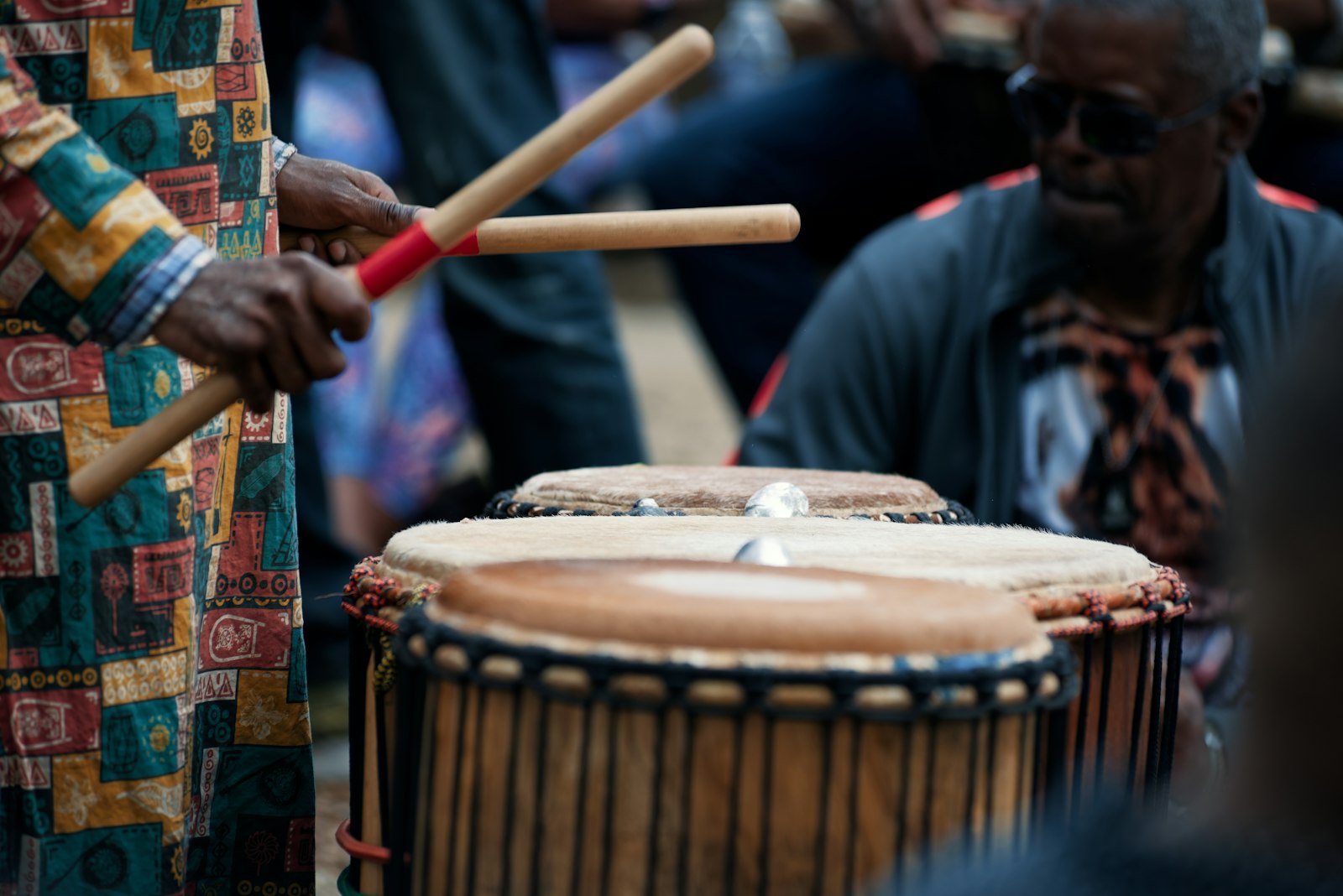
Rhythm is the heartbeat of the world. It exists in the tide, your breath, and the steady pulse of your own heart. For many, the desire to learn rhythm starts with a simple tap of the foot or a drumbeat heard from a distance. But how do you transition from a passive listener to an active participant in the groove?
Learning rhythm isn't just about technical precision; it’s about connection. Whether you are holding a djembe for the first time or trying to understand the complex polyrhythms of a dunun set, the journey is one of discovery. In this guide, we will explore the foundational elements of rhythm and how you can begin your drumming journey today.
Understanding the Pulse: The Foundation of Timing
Before you pick up a drum, you must understand the 'pulse.' This is the steady, underlying beat that remains constant regardless of the complexity of the notes played over it. Think of it as the floor you dance on. To learn rhythm effectively, you must train your body to feel this pulse.
Start by listening to your favorite music and clapping on the 'one'—the first beat of every measure. Once you can find the one consistently, try to find the 'backbeat' (usually beats two and four). This physical internalization of time is more important than any sheet music. In a drum circle, this pulse is often held by a cowbell or a low-tuned bass drum, providing a safety net for everyone else to play over.
Choosing Your First Instrument
To learn rhythm, you need a tactile way to express it. Hand drums are the most accessible entry point because they remove the barrier of sticks and pedals, allowing for a direct connection between your hands and the drumhead. Here are some common instruments for beginners:
- Djembe: A West African goblet drum known for its wide range of sounds—deep bass, rich mids, and sharp slaps.
- Congas: Afro-Cuban drums played in pairs or trios, perfect for learning melodic patterns.
- Doumbek: A goblet-shaped drum from the Middle East, often made of ceramic or metal, ideal for intricate finger-tapping techniques.
- Frame Drum: One of the oldest drum types, held in the hand or lap, focusing on subtle textures and spiritual resonance.
Selecting the right instrument often comes down to what sound resonates with you. If you're unsure, visiting drum schools can provide an opportunity to try various instruments before committing to a purchase.
The Three Basic Strokes: Bass, Tone, and Slap
Most hand drums, particularly the djembe, rely on three primary sounds. Mastering these is the first step to playing any rhythm pattern.
- The Bass: Played by striking the center of the drum with a flat, relaxed hand. This creates the deep, resonant 'heartbeat' of the rhythm.
- The Tone: Played on the edge of the drum with fingers together. This produces a clear, melodic note.
- The Slap: The most challenging stroke, played on the edge with fingers relaxed so they 'snap' against the head. This creates a sharp, high-pitched crack.
When you learn rhythm, you are essentially learning how to arrange these three sounds into a sequence that repeats. A simple 'Bass-Tone-Tone' pattern is a great place to start.
The Power of Call-and-Response
In many traditional drumming cultures, rhythm is taught through call-and-response. A leader (or facilitator) plays a short phrase, and the group mimics it back. This method bypasses the analytical brain and speaks directly to the subconscious.
This practice is a staple of drumming retreats, where participants spend days immersed in rhythmic dialogue. Call-and-response teaches you more than just patterns; it teaches you how to listen. In a circle, listening is just as important as playing. By focusing on the 'call,' you learn to anticipate the 'response,' which naturally improves your timing and phrasing.
Moving from Practice to Community
While practicing at home is essential, rhythm is a social language. You can only go so far in isolation. The true magic happens when you join a group of people and feel the collective energy of a shared beat.
Community drum circles are often family-friendly and open to all skill levels. They provide a low-pressure environment to test your skills and learn from others. If you feel you need more structured guidance before jumping into a large event, seeking out drum teachers for one-on-one lessons can build your confidence. They can help correct your posture and technique, ensuring you don't develop habits that might lead to wrist or hand strain.
Embracing the Full Moon and Seasonal Gatherings
Many drumming communities organize events around natural cycles, such as full-moon gatherings or equinox celebrations. These events often have a more spiritual or meditative focus. Participating in these events is a wonderful way to see how rhythm can be used for wellness and stress relief. In these settings, the goal isn't technical perfection but rather collective harmony. You’ll find that as the night progresses, the group finds a 'groove'—a state where the rhythm seems to play itself, and you are simply a part of the flow.
Tips for Your First Drum Circle
If you are ready to take your new skills to a public gathering, keep these etiquette tips in mind:
- Listen more than you play: Before joining in, listen to the established rhythm for a few minutes.
- Support the bass: If you are a beginner, play a simple, steady part that supports the foundation.
- Leave space: You don't have to play on every beat. Silence is a part of rhythm.
- Watch the facilitator: If someone is leading the circle, they will use hand signals to indicate when to speed up, slow down, or stop.
Learning rhythm is a lifelong journey. There is always a new time signature to explore, a new culture to study, or a new technique to master. The most important thing is to keep your heart open and your hands moving.
Find a drum circle near you.
Frequently asked
- Do I need to be 'musical' to learn rhythm?
- Not at all. Rhythm is a natural human instinct. If you can walk or breathe, you already have a sense of rhythm. Most people find that with a little practice and the right environment, they can easily keep a steady beat.
- What is the best drum for a beginner?
- The djembe is widely considered the best beginner drum because it is easy to transport, relatively affordable, and produces a wide variety of sounds that are easy to distinguish. It is also the most common drum found in community circles.
- How long does it take to learn rhythm?
- You can learn a basic rhythm in a single afternoon. However, mastering the nuances of timing and technique is a lifelong process. Consistency is key; practicing for just 15 minutes a day will yield better results than one long session a week.
- Can I learn rhythm online?
- Yes, there are many excellent video tutorials and courses available. However, because drumming is a physical and social activity, online learning is best used as a supplement to in-person classes or community drum circles.
Find a drum circle near you
Browse hundreds of circles, teachers and rhythm community gatherings.
Explore drum circles