How to List a Drum Circle: Grow Your Rhythm Community Today
Ready to share your rhythm with the world? Learn how to effectively list a drum circle to attract passionate drummers and build a thriving local community.
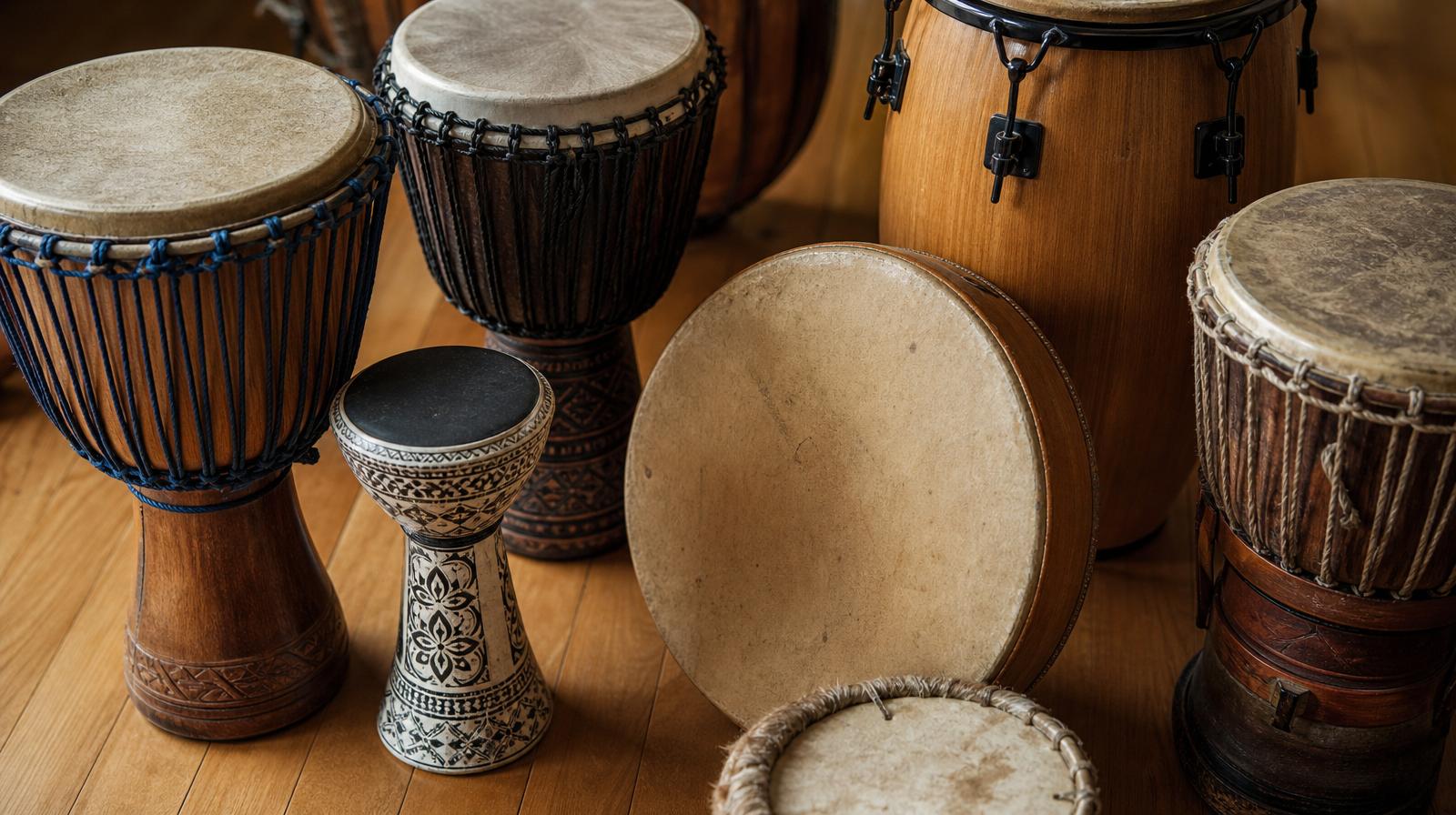
There is a unique magic that happens when a group of strangers gathers with djembes, ashikos, and frame drums to create a collective heartbeat. Whether you are a seasoned facilitator or a passionate hobbyist starting a backyard jam, the success of your gathering depends on one crucial step: getting the word out. When you decide to list a drum circle online, you aren't just posting a date; you are extending an invitation to connection, healing, and musical exploration.
In this guide, we will walk through everything you need to know to effectively list your event, reach the right audience, and ensure your circle becomes a staple of your local rhythm scene.
Why You Should List a Drum Circle Online
In the digital age, word of mouth is powerful, but searchability is king. Most new drummers start their journey by searching for local opportunities to play. By taking the time to list a drum circle on a dedicated directory, you bridge the gap between your venue and the person sitting at home with a dusty conga looking for a place to belong.
Visibility leads to diversity. A public listing attracts people from different walks of life, bringing various styles—from West African polyrhythms to Middle Eastern doumbek patterns—to your circle. This diversity enriches the musical experience for everyone involved.
Crafting a Compelling Event Title and Description
When you list a drum circle, your title is your first impression. Instead of a generic "Drum Circle," try something more descriptive like "Full Moon Beach Drumming" or "Family-Friendly Community Rhythm Jam." This tells potential attendees exactly what to expect.
In your description, be specific about the vibe. Is it a meditative, quiet circle focused on frame drums? Or is it a high-energy dance party with dununs and heavy bass? Mentioning the specific instruments encouraged—like bongos, cajons, or even shakers and bells—helps participants pack their gear accordingly.
Essential Details to Include in Your Listing
To minimize confusion and maximize attendance, your listing should act as a comprehensive FAQ. Ensure you include the following:
- Location: Give precise directions. If you are in a large park, mention the nearest landmark or parking lot.
- Cost: Is it free? Is there a suggested donation? Or is it a ticketed event to cover venue costs?
- Experience Level: Clearly state if beginners are welcome. Most community circles are "all levels," which encourages those who may be intimidated to join in.
- Loaner Instruments: If you have a pile of extra djembes or percussion toys for people to use, mention it! This is a huge draw for newcomers who don't yet own a drum.
Choosing the Right Venue for Your Gathering
The venue dictates the energy of the circle. Indoor spaces like community centers, yoga studios, or church halls offer great acoustics and protection from the elements. Outdoor spaces like parks or beaches provide a natural, grounded feel but require more logistical planning regarding permits and noise ordinances.
If your circle is part of a larger educational program, you might also consider cross-referencing your listing with local drum schools to build a pipeline of students who want to practice what they've learned in a live setting.
Promoting Your Listing Across Social Media
Once you list a drum circle on a directory like Drum Circle Directory, use that link as your "home base" for social media promotion. Share the link in local community groups, on Instagram with rhythm-focused hashtags, and on Facebook Events.
Visuals are key. Post a short video of a previous jam or a photo of the circle layout. Seeing the smiling faces and the variety of instruments—from colorful tubanos to traditional goatskin djembes—makes the event feel accessible and inviting.
Etiquette and Setting Expectations
A successful listing also sets the "rules of the road." Mention if your circle follows a specific etiquette, such as:
- Ask before playing someone else's drum.
- Listen as much as you play.
- Support the facilitator's cues.
- No alcohol or drugs (if applicable to your space).
Setting these expectations early ensures that the people who show up are aligned with the culture you are trying to build. If you are looking for professional guidance on how to lead these sessions, connecting with experienced drum teachers can help you refine your facilitation skills.
Growing Your Circle into a Sustainable Community
Consistency is the secret sauce of community building. If you list a drum circle as a recurring monthly event, people can plan their lives around it. Over time, your circle will grow from a few friends to a robust network of rhythm makers. You might even find yourself organizing larger drumming retreats once your local core group is established.
Remember, every great rhythm community started with a single invitation. By listing your circle, you are providing the space for someone to find their voice, relieve stress, and experience the transformative power of the drum.
Find a drum circle near you at /drum-circles.
Frequently asked
- Where is the best place to list a drum circle for free?
- The Drum Circle Directory is the premier global resource for listing community rhythm events. You can also utilize local community boards, Facebook Groups, and Meetup to reach a wider local audience.
- Do I need a permit to host a drum circle in a public park?
- Requirements vary by city. Generally, small informal gatherings may not need a permit, but larger organized events with amplified sound or many participants often require a 'Special Use' or 'Noise' permit from your local Parks and Recreation department.
- What information is most important when listing a rhythm event?
- Beyond the date and time, clearly state if instruments are provided and if the event is beginner-friendly. Specifying the style of drumming (e.g., West African, Shamanic, or Free-form) helps attract the right participants.
Find a drum circle near you
Browse hundreds of circles, teachers and rhythm community gatherings.
Explore drum circles