Join a Live Online Drum Circle: Your Guide to Virtual Rhythm
Discover how to connect with the global rhythm community through a live online drum circle, from technical setup to virtual etiquette.
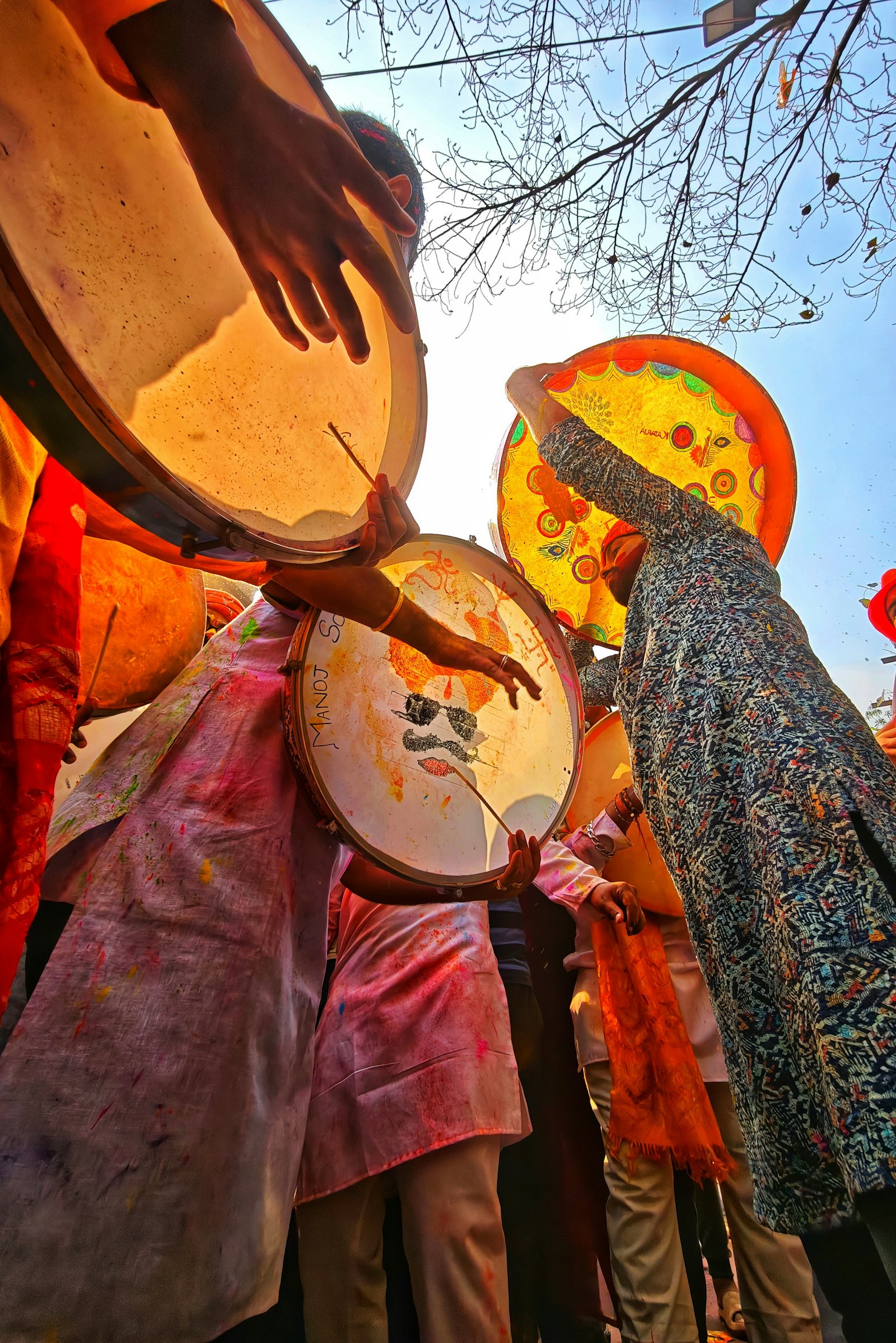
In the world of hand drumming, nothing quite matches the vibration of a djembe or the deep resonance of a dunun when you are standing in a physical circle. However, the rise of the live online drum circle has opened a new frontier for rhythm enthusiasts. Whether you are living in a remote area, have limited mobility, or simply want to connect with master drum teachers from across the globe, virtual circles offer a unique way to find your beat.
While the technology behind online drumming has evolved, the core mission remains the same: building community, reducing stress, and celebrating the universal language of rhythm.
The Evolution of the Virtual Rhythm Community
For years, drum circles were strictly localized events held in community centers, parks, or specialized drum schools. The transition to digital platforms wasn't just a response to global changes; it was an expansion of accessibility. Today, a live online drum circle can host a conga player in New York, a frame drum enthusiast in Berlin, and a facilitator in Togo, all in the same digital room.
These gatherings have moved beyond simple video calls. Modern facilitators use high-fidelity audio interfaces and specific software designed to minimize latency, ensuring that the spirit of the "one beat" remains intact even across thousands of miles.
Essential Gear for Your First Online Session
You don't need a professional recording studio to participate, but a few key items will significantly enhance your experience and the experience of others in the circle.
- Your Instrument: Most participants use a djembe, doumbek, or cajon. However, even a simple frame drum or household items like a plastic bucket can work perfectly.
- External Microphone: While laptop mics work in a pinch, they often compress the sound of a drum, making it sound muddy. A simple USB condenser microphone will capture the true tone of your instrument.
- Headphones: This is the most critical piece of gear. Using speakers can cause a feedback loop where your mic picks up the sound of the other drummers, creating a chaotic echo.
- Stable Internet Connection: If possible, use an Ethernet cable rather than Wi-Fi to ensure your video and audio stay synced with the facilitator.
Understanding Latency and Virtual Etiquette
The biggest challenge of a live online drum circle is "latency"—the slight delay in sound traveling over the internet. Because of this, virtual circles operate a bit differently than local events.
In a traditional circle, everyone plays at once. In a virtual setting, facilitators often use a "Mute/Unmute" strategy. The facilitator or a lead drummer will be unmuted so everyone can hear the foundational pulse. Participants stay muted while playing along at home, ensuring they hear the lead beat clearly without the cacophony of delayed signals. Occasionally, the facilitator will invite individuals to unmute for a call-and-response or a solo spotlight.
The Health and Wellness Benefits of Virtual Drumming
Drumming is a proven tool for wellness. Participating in a live online drum circle can lower cortisol levels, release endorphins, and provide a much-needed sense of social connection. For those who may feel intimidated by the volume of an in-person session, the online format allows for a "gentle entry" into the practice. You can control your own volume and focus on the meditative aspects of the rhythm within your own space.
Many practitioners find that the focused nature of online sessions helps them master specific techniques on the djembe or conga more quickly, as they can observe the facilitator’s hand movements closely on their screen.
How to Find the Right Online Circle for You
Not all virtual circles are the same. Some are geared toward technical mastery, while others focus on community healing or family-friendly fun. When searching for a session, consider the following:
- Guided vs. Free-form: Most online sessions are facilitated to manage the technical aspects. Look for experienced facilitators who understand how to navigate the digital space.
- Time Zones: Since these are global events, double-check the time zone to ensure you aren't logging on at 3:00 AM!
- Platform: Most circles use Zoom, but some may use specialized high-audio-quality platforms like JamKazam or CleanFeed.
If you prefer the physical vibration of a group, you can always find a drum circle near you to supplement your online practice.
Tips for Facilitators Going Digital
If you are a teacher or facilitator looking to move your practice online, focus on visual cues. Since you can't always rely on the shared pulse of the room, use clear hand signals for starts, stops, and volume changes. Encourage participants to use the chat function to share their feelings or ask questions about specific rhythms like the Kuku or Moribayassa.
Creating a warm, inclusive environment is even more important online. Spend the first few minutes of the session allowing people to introduce themselves and their instruments, whether it's a heirloom djembe or a brand-new set of bongos.
Embracing the Global Beat
The beauty of the live online drum circle is that it removes the walls of the community center. It allows us to learn from masters we might never meet in person and to share our rhythm with people from different cultures and backgrounds. It is a testament to the power of the drum that even through a screen, the heartbeat of the community remains strong.
Whether you are looking for advanced technical training or a simple way to de-stress after work, there is a virtual seat waiting for you in the circle.
Ready to find your rhythm? Find a drum circle near you or join a global community today.
Frequently asked
- Can I participate in an online drum circle if I don't have a drum?
- Absolutely! Many participants use found objects like tabletops, buckets, or even shakers made from rice and a plastic bottle. The focus is on the rhythm and connection, not the price of your gear.
- Why is everyone muted during a live online drum circle?
- Due to internet latency, if everyone unmuted at once, the sounds would reach participants at different times, creating a chaotic noise. Muting allows you to hear the facilitator’s steady beat clearly while you play along at home.
- What is the best platform for virtual drumming?
- Zoom is the most common due to its 'Original Sound for Musicians' setting, which prevents the software from filtering out drum sounds as background noise. However, platforms like JamKazam are better for professional-grade, low-latency sessions.
Find a drum circle near you
Browse hundreds of circles, teachers and rhythm community gatherings.
Explore drum circles